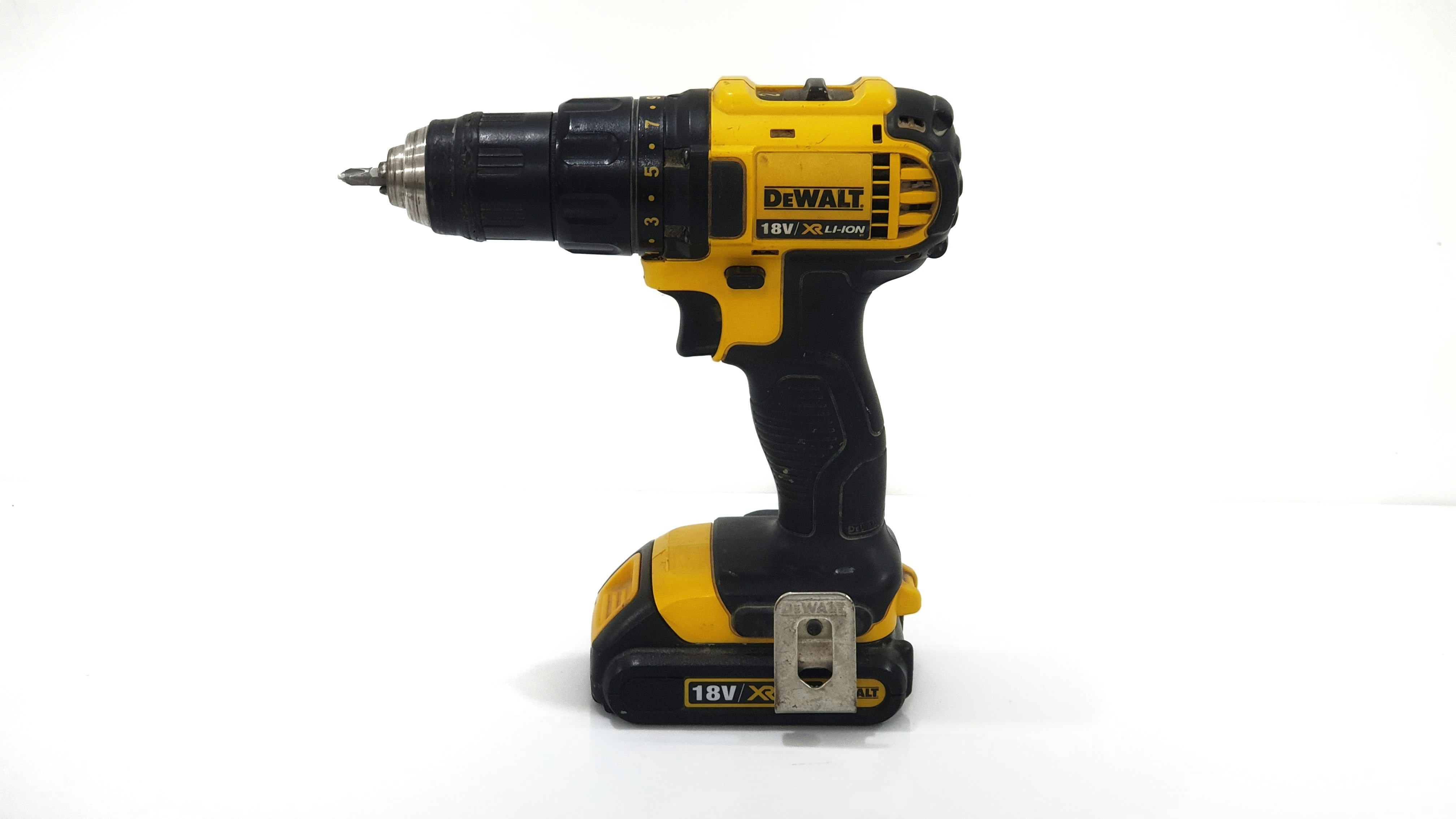
Introduction: The Rise of Cordless Drills in Home Improvement
In recent years, cordless drills have emerged as essential tools for homeowners, particularly those engaging in DIY projects and home renovations. With their convenience and versatility, these power tools have revolutionized the way individuals approach home improvement tasks. In Indianapolis, where many homeowners seek to enhance their living spaces, cordless drills are at the forefront of this do-it-yourself culture.
The rising popularity of cordless drills can be attributed to their ability to perform a wide range of tasks efficiently. Whether it involves assembling furniture, installing shelving, or completing major renovation projects, cordless drills offer the freedom of movement without the hassle of cords or limited access to power outlets. This flexibility not only streamlines the work process but also empowers homeowners to tackle various tasks confidently.
As homeowners explore various options in the market, choosing the right cordless drill becomes imperative. Factors such as battery life, torque, power, and weight influence the effectiveness of the drill for specific projects. With numerous brands available, selecting the ideal tool to meet individual needs can be daunting. Among the most recognized names in the industry are DeWalt, Milwaukee, Makita, and Ryobi, each of which offers a unique blend of features and performance metrics. In this blog post, we will delve into a comparative analysis of these four major brands. By understanding their strengths and weaknesses, readers can make informed decisions that best suit their personal home improvement needs.
Brand Overview: Profiles of the Top Contenders
In the competitive landscape of cordless drills, four prominent brands have established themselves as leaders, each with distinct characteristics and advantages. DeWalt, a subsidiary of Stanley Black & Decker, is known for its robust power tools and commitment to innovation. Established in 1924, DeWalt has earned a reputation for producing high-quality products, particularly favored by professional contractors. The brand focuses on durability and performance, making it a popular choice for those who demand reliability in tough conditions.
Milwaukee Tools, founded in 1924, is recognized for its relentless pursuit of innovation, particularly in battery technology. The brand’s M18 and M12 systems are highly praised for their efficiency and long runtime, making them a favorite among trade professionals. Milwaukee has positioned itself to cater to heavy-duty users and strives to enhance user experience through ergonomic design and advanced features, solidifying its status as a go-to brand for serious craftsmen.
Makita, a Japanese manufacturer with a history dating back to 1915, stands out for its rich tradition of engineering excellence. Known for introducing pioneering technologies, Makita offers a wide range of tools suitable for various applications, including power and gardening tools. Their focus on battery technology and lightweight designs appeals to both professionals and DIY aficionados, creating a loyal following among users who appreciate precision and quality.
Ryobi, part of the Techtronic Industries group, primarily targets the DIY market. Founded in 1943, Ryobi is recognized for its value-driven approach, providing a diverse array of innovative tools at accessible price points. Their One+ system enables users to interchange batteries across products, appealing to casual users and hobbyists looking for convenience without compromising quality. This strategy has allowed Ryobi to effectively cater to a segment that appreciates both affordability and functionality.
Comparison Criteria: What to Look for in a Cordless Drill
When selecting a cordless drill, various features and specifications play a crucial role in ensuring optimal performance for your needs. Understanding these criteria can significantly enhance your overall experience. One of the primary considerations is battery life. A longer battery life not only allows for extended use between charges but also minimizes downtime during projects. Modern batteries often feature Lithium-ion technology, which provides better performance and longevity.
Another significant factor is the drill’s power, typically measured in volts. Higher voltage generally correlates with a more powerful motor capable of handling tough materials. Alongside power, torque settings are vital as they determine the drill’s ability to drive screws without damaging materials. Many drills come with adjustable torque settings, allowing users to tailor the output based on the specific task.
The weight of the cordless drill is another critical aspect to consider. A lighter drill often enhances maneuverability and reduces user fatigue, making it particularly advantageous for prolonged use. Ergonomics also plays a key role; a well-designed grip allows for better control and comfort during operation.
Additional features can elevate a cordless drill’s functionality. For instance, brushless motors are becoming increasingly common, as they offer greater efficiency and longer motor life. Integrated LED lights can illuminate the work area, improving visibility in low-light conditions. Furthermore, the availability of a variety of accessories—such as drill bits and carrying cases—can be beneficial.
Lastly, it is essential to consider the manufacturer’s warranty and customer support. A robust warranty reflects the manufacturer’s confidence in their product and provides peace of mind for the user. Effective customer support can facilitate repairs or replacements, ensuring that users have reliable assistance when needed.
The Ultimate Showdown: Performance Ratings and Final Verdict
The comparison of cordless drills from DeWalt, Milwaukee, Makita, and Ryobi illustrates the varying strengths and weaknesses inherent to each brand. After extensive analysis of features, ease of use, performance across diverse tasks, and customer reviews, we present a thorough side-by-side comparison.
DeWalt emerges as a frontrunner, particularly in terms of power and battery life. The durability of their construction and a user-friendly interface make DeWalt drills a popular choice among professionals and homeowners alike. However, they may carry a higher price tag compared to competitors, which could be a factor for budget-conscious users.
Milwaukee drills are renowned for their impressive torque and high-performance capabilities, making them exceptional for heavy-duty tasks. Users frequently commend their ergonomic design, allowing prolonged use without discomfort. Nevertheless, some may find their weight slightly cumbersome during extended projects.
Makita, on the other hand, stands out for its lightweight design and rapid charging features, making it ideal for those who prioritize portability and quick transitions. While they offer excellent performance for nearly all tasks, certain users report that their torque levels may not compete with those of DeWalt and Milwaukee in demanding scenarios.
Ryobi appeals to budget-conscious homeowners seeking a reliable tool for everyday tasks. Their drills tend to be more affordable, making them accessible for DIY enthusiasts; however, the trade-off can sometimes be found in the overall robustness and longevity compared to higher-end counterparts.
Based on this comprehensive analysis, the definitive winner for Indianapolis homeowners is the DeWalt model. Its well-rounded features, superior performance ratings, and robust customer feedback position it as the best choice. The investment is justified by its longevity and reliability, making it a smart addition to any toolbox.
If you’re interested in purchasing the item you seek, please click the link for additional details: #americanachoice.
https://amzn.to/3SBN3Oy
AFFILIATE DISCLOSURE: I am an affiliate for this company, I am not a paid employee.
I may receive a commission if you click a link on this page and choose to purchase something.
You can rest assured I will only share things I believe in and will be valuable to you.