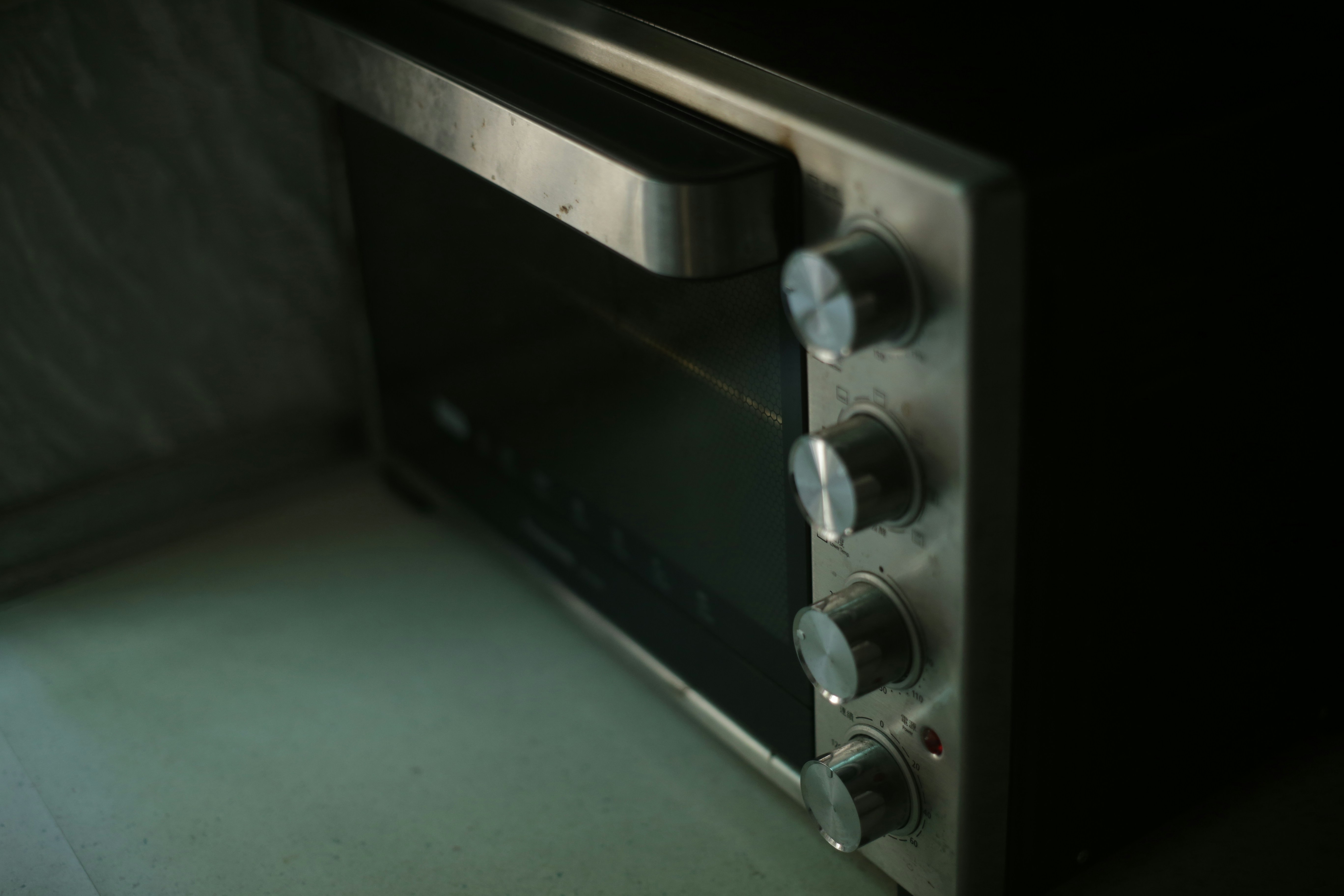
When it comes to cooking appliances, the choice between gas and electric ovens is significant and often influences the overall culinary experience. Gas ovens are powered by natural gas or propane, providing instant heat and precise temperature control. This method of heating is widely recognized for its ability to quickly adjust cooking temperatures, making it a preferred choice for many professional chefs. On the other hand, electric ovens use electricity as their energy source, generating heat through heating elements located in the oven’s walls and base. Electric ovens tend to offer more consistent heat distribution, which is crucial for even cooking and baking.
The popularity of gas and electric ovens varies significantly among consumers, often depending on individual cooking styles and preferences. Gas ovens are commonly favored in households where cooking is done frequently and where speed and control are essential. Many chefs appreciate the direct heat of gas, which allows for immediate visual feedback when making cooking adjustments. In contrast, electric ovens are often regarded as more convenient and easier to manage for those who prioritize automated cooking features and consistent temperatures.
Understanding the fundamental differences between gas and electric ovens is crucial for making an informed decision tailored to specific cooking needs. Factors such as availability of gas connections, energy efficiency, maintenance requirements, and even safety considerations all come into play. Whether a household values the traditional approach of gas cooking or the reliability of electric appliances will ultimately guide their choice in selecting an oven that best suits their culinary requirements.
Performance and Cooking Efficiency
When it comes to evaluating the performance and cooking efficiency of gas and electric ovens, several factors contribute to the overall cooking experience. Both types of ovens offer distinct advantages that cater to different cooking styles and preferences. One of the primary considerations in cooking efficiency is the cooking time associated with each oven type.
Gas ovens are known for their ability to heat up quickly, thanks to the immediate flames produced when gas is ignited. This characteristic allows for reduced preheating times, which can be advantageous for those who value efficiency in meal preparation. Conversely, electric ovens typically require a longer preheating period, though recent advancements in technology, including the introduction of rapid-preheat features, have begun to bridge this gap.
Temperature consistency is another crucial factor in the comparison between gas and electric ovens. Gas ovens typically exhibit more variable temperatures due to the nature of flame heating, which can lead to hot and cold spots within the oven. On the other hand, electric ovens are generally praised for their consistent heat distribution, often translating to more even cooking results, particularly for baking applications. This consistent performance of electric ovens can be enhanced further with convection options, which utilize a fan to circulate heat, ensuring even cooking regardless of food placement within the oven.
Ultimately, the choice between gas and electric ovens often comes down to personal preference and cooking habits. Those who prioritize immediate heat and precise control may find gas ovens to be more suited to their needs, while users who value cooking efficiency and even temperature might prefer electric ovens with convection capabilities. Understanding these differences can help individuals make informed decisions about their cooking appliances, setting the stage for optimal culinary results.
Cost of Ownership: Installation, Maintenance, and Energy Use
When considering the cost of ownership for gas and electric ovens, potential buyers must evaluate several financial components including installation expenses, maintenance considerations, and energy usage costs. Both types of ovens present unique advantages and operational expenses that can affect long-term value delivery.
Installation costs can vary significantly between gas and electric ovens. Generally, electric ovens are easier and less expensive to install, especially if there’s already an electrical oven socket available. In contrast, gas ovens require a gas line installation, which can be a considerable upfront cost if one is not already present. This initial investment for gas ovens often makes them more expensive to set up than their electric counterparts.
Once installed, ongoing maintenance is another vital area to consider. Electric ovens typically require less maintenance as they have fewer moving parts and do not necessitate the same level of checking for gas leaks as gas ovens do. However, gas ovens might need periodic servicing to ensure safety and efficiency, adding to their longer-term ownership costs. Overall, the maintenance of both types of ovens is relatively straightforward, but gas units may incur more periodic checks.
The energy costs associated with each oven type also play a significant role in their total cost of ownership. Gas ovens often provide a cheaper energy source since natural gas is typically less expensive than electricity. However, the energy efficiency of electric ovens can offset their higher operational cost, particularly with newer models designed to be more energy-efficient. Homeowners may notice a difference in their utility bills based on their cooking habits and the local cost of natural gas versus electricity, thus impacting their overall expenses.
Ultimately, the choice between gas and electric ovens varies by individual preference and budget. By carefully considering installation, maintenance, and energy costs, consumers can make informed decisions that align with their financial situation and cooking requirements.
Safety and Environmental Considerations
The choice between gas and electric ovens involves not only culinary performance but also crucial safety and environmental factors. Gas ovens utilize natural gas as their fuel source, which, while efficient for cooking, carries inherent safety risks. One primary concern is the potential for gas leaks, which can lead to hazardous situations, including explosions and fires. Proper installation and maintenance of gas lines are essential to mitigate these risks. Moreover, users should be vigilant about symptoms of carbon monoxide poisoning, a colorless and odorless gas produced by incomplete combustion. Investing in carbon monoxide detectors is highly recommended for homes with gas appliances.
On the other hand, electric ovens are generally regarded as safer in terms of combustion risks. They do not produce gas, thus eliminating concerns around leaks and the associated dangers. However, electric ovens still present safety considerations, such as the risk of electrical fires and potential overheating. Regular inspections of the electrical system and adherence to manufacturer guidelines can significantly enhance safety.
When evaluating environmental impacts, electric ovens can be linked to the carbon footprint of their electricity generation. The sources of electricity—whether fossil fuels, nuclear power, or renewable energy—directly influence the overall environmental footprint. In regions where electricity is primarily generated from coal or natural gas, electric ovens may contribute to higher greenhouse gas emissions compared to gas ovens.Additionally, advancements in energy efficiency for electric ovens have been notable, making them increasingly favorable. The heating technology and energy use should be considered when making a decision, as newer models often optimize energy consumption.
Ultimately, both gas and electric ovens come with their own set of safety and environmental considerations. Consumers should assess their personal circumstances and sustainability goals to select the oven that best aligns with their values and cooking preferences.
If you’re interested in purchasing the item you seek, please click the link for additional details: #americanachoice.
https://amzn.to/3SBN3Oy
AFFILIATE DISCLOSURE: I am an affiliate for this company, I am not a paid employee.
I may receive a commission if you click a link on this page and choose to purchase something.
You can rest assured I will only share things I believe in and will be valuable to you.