Understanding Fire Classes and Their Importance
Fires can be categorized into several classes based on the materials that ignite and sustain them. Understanding these fire classes is vital for homeowners as it directly influences the selection of an appropriate fire extinguisher. The primary fire classes are Class A, B, C, D, and K, each associated with specific types of combustible materials.
Class A fires involve ordinary combustibles such as wood, paper, and cloth. Materials in this category are common in residential settings, making it imperative for homeowners to have extinguishers capable of tackling these types of fires. Class B fires, on the other hand, are associated with flammable liquids like gasoline, oil, and greases. These fires can present significant hazards in garages or kitchens. Therefore, choosing a fire extinguisher designed to handle Class B materials is crucial for safety in areas where such substances are present.
Class C fires involve electrical equipment and can be particularly dangerous. Using a water-based extinguisher on these fires can result in electrocution; thus, a Class C extinguisher that uses non-conductive agents is essential. Class D fires are rare but can occur with combustible metals like magnesium or aluminum. These fires require specialized extinguishing agents that are not typically found in standard home fire extinguishers.
Lastly, Class K fires are specific to cooking oils and fats, primarily associated with kitchens in restaurants and homes. Understanding the distinction between these classes ensures that homeowners are equipped with suitable extinguishers, ultimately preventing costly mistakes in emergency situations. Selecting the right type of extinguisher corresponding to the fire class can not only save property but also lives, reinforcing the importance of this knowledge in the context of home safety.
Choosing the Right Type of Fire Extinguisher for Your Home
When it comes to home safety, selecting the appropriate type of fire extinguisher is crucial for effectively addressing potential fire hazards. Various types of fire extinguishers are designed for different situations, each suited to combat specific classes of fires. Understanding these classifications is vital for ensuring a safe living environment.
One of the most common types of fire extinguishers is the dry chemical extinguisher. This extinguisher is versatile and effective against Class A (ordinary combustibles), Class B (flammable liquids), and Class C (electrical) fires, making it an excellent choice for general household use. In contrast, a water extinguisher is suitable primarily for Class A fires, such as those caused by wood or paper. However, using water extinguishers on flammable liquids or electrical fires can exacerbate the situation, posing additional risks.
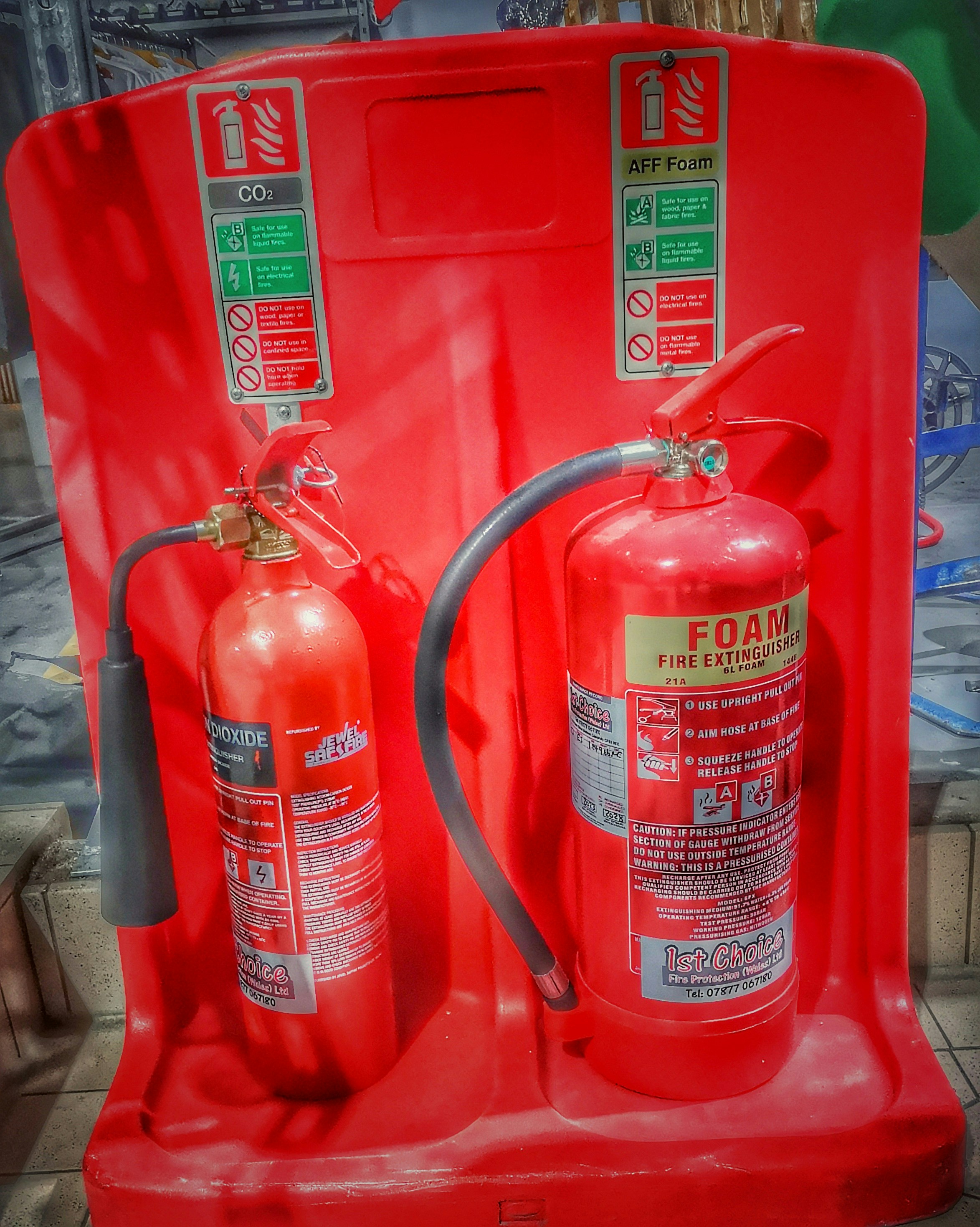
For kitchens, it’s advisable to have a Class K fire extinguisher, which is specifically engineered to combat fires involving cooking oils and fats. Alternatively, foam extinguishers can be useful in garages or areas where flammable liquids are stored, as they effectively tackle both Class A and Class B fires. Carbon dioxide (CO2) extinguishers are ideal for spaces containing delicate electronic equipment, such as offices or media rooms, due to their non-damaging properties.
To assess which type of extinguisher is most suitable for your home, consider the common hazards present in different areas. For instance, kitchen environments are prone to grease fires, while living areas may be more susceptible to combustible materials. Ultimately, having a well-rounded selection of extinguishers tailored to your home’s unique hazards will significantly enhance your safety preparedness and response capabilities in emergency situations.
Proper Placement and Maintenance of Fire Extinguishers
Ensuring the proper placement and maintenance of fire extinguishers in your home is crucial for effective fire safety management. Ideally, fire extinguishers should be placed in key locations where fires are most likely to occur, such as near cooking areas, garages, and rooms with electronic devices. It is recommended to position extinguishers no more than 30 feet from any potential fire hazard.
In addition, bedrooms are also an essential area for placing a fire extinguisher, particularly if the home has multi-levels or is larger in size. For a typical residence, having at least one fire extinguisher on every floor can significantly enhance safety. Larger homes may require additional units, especially in high-risk areas. For instance, homes with basements should have a separate extinguisher in that location as well.
Accessibility is another critical factor in the placement of fire extinguishers. They should be mounted at a height that is easy to reach, usually 3.5 to 5 feet above the ground, and should be visible without obstruction. Furthermore, it is advisable to regularly check the fire extinguisher’s pressure gauge to ensure it is within the operating range. Keeping the extinguisher clean and dust-free will help maintain its functionality.
Maintenance plays a vital role in ensuring that fire extinguishers are always operational when required. Aside from regular pressure checks, it is important to be aware of expiration dates. Most fire extinguishers have a lifespan of 5 to 15 years depending on the type, necessitating a replacement or professional refill when they have reached their limit. Following these practices not only keeps you protected but also significantly enhances overall home safety against potential fire incidents.
Comparing Fire Extinguisher Brands: Features, Prices, and Recommendations
When selecting a fire extinguisher, understanding the various brands available on the market can greatly assist homeowners in making an informed choice. In this segment, we will explore some well-known fire extinguisher brands, examining their features, pricing, and user recommendations to highlight the most reliable options for safety-conscious consumers.
One of the most respected brands in the fire safety industry is Kidde. Known for its comprehensive range of fire extinguishers, Kidde offers both portable and mounted options. Their units typically feature durable construction, easy-to-read pressure gauges, and user-friendly instructions. Prices for Kidde extinguishers range from $20 to $150, depending on the model and features. Their products are often recommended for residential use due to their reliability and effective performance in various fire scenarios.
Another popular brand is First Alert, which is highly regarded for its commitment to safety and technological innovation. First Alert extinguishers come with features such as a lightweight design and carrying handle, making them easy to operate. Commonly available models range from $25 to $200, promising efficiency in emergency situations. Many consumers have praised the user-friendly designs, which contribute to their growing popularity among homeowners.
American Fire Equipment, although slightly less mainstream, offers exceptional value for budget-conscious shoppers. Their extinguishers are often priced between $15 and $100 and focus on meeting essential safety standards while providing effective fire suppression. Users have reported satisfaction regarding their durability and reliability, making it a viable option for those seeking performance without a hefty price tag.
In conclusion, when choosing a fire extinguisher, it is vital to consider not only the price but also the features and reliability of different brands. By comparing Kidde, First Alert, and American Fire Equipment, homeowners can identify a suitable fire safety solution that aligns with both their safety needs and budget constraints.
If you’re interested in purchasing the item you seek, please click the link for additional details: #americanachoice.
https://amzn.to/3SBN3Oy
AFFILIATE DISCLOSURE: I am an affiliate for this company, I am not a paid employee.
I may receive a commission if you click a link on this page and choose to purchase something.
You can rest assured I will only share things I believe in and will be valuable to you.