Understanding Your Tape Measure
A tape measure is an indispensable tool for both amateur and professional craftsmen. Understanding the anatomy of this measuring instrument is crucial for accurate measurement. At the forefront is the metal hook at the end of the tape. This hook is designed to provide a precise starting point. It often has a small amount of play, allowing it to either hook onto the edge of a surface or lie flush against it, delivering accurate measurements whether you are measuring from the inside or outside.
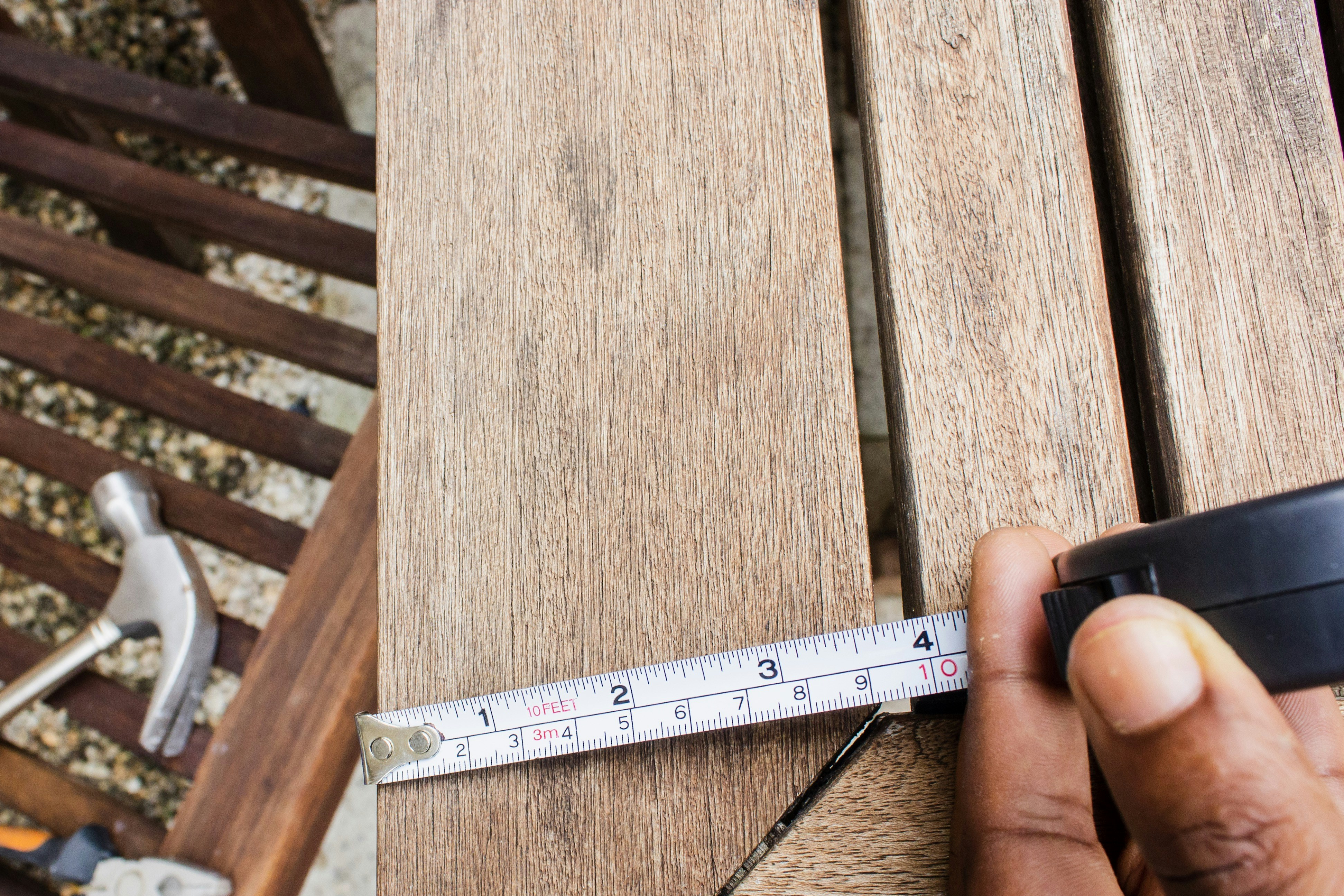
The tape itself is typically made of flexible material, allowing it to extend and retract easily. Its face is marked with various measurement units, primarily inches and centimeters. You will notice that the markings differ based on the unit of measurement; for instance, inches are generally denoted by tick marks of varying lengths, with fractions such as 1/4, 1/8, and 1/16 clearly indicated. Understanding these fractional markings is essential, as they enable precise measurements that are often required in construction or home improvement tasks.
Centimeter markings will also be present, making it easy for those who are accustomed to the metric system. Familiarizing yourself with these measurements is particularly beneficial for projects that necessitate international or dual measurements. Visual aids can assist in comprehension, showcasing the various parts of a tape measure such as the locking mechanism that retains the tape in a certain position when extended.
In addition to the main markings, observe any additional features, such as a durable casing that protects the tape from damage and a belt clip for easy accessibility. Recognizing these components enhances your ability to use a tape measure proficiently and lays the groundwork for efficient measurement practices in the future.
How to Take Accurate Measurements
Accurate measurements are essential when using a tape measure, whether for DIY projects, home improvement, or professional applications. To begin, it is crucial to ensure that the tape measure is not only properly calibrated but also that it is being used correctly. Start by reinforcing the importance of having the correct posture. Always stand directly over the point from which you are measuring to minimize errors.
When measuring, grasp the end hook of the tape measure, which is designed to move slightly to account for the thickness of the hook itself. This ensures that the end of the tape can sit flush against the surface, providing more accurate measurements. For inside measurements, keep the tape measure taut against the inner walls or edges. Similarly, when measuring outdoors or larger objects, extend the tape measure straight along the longest dimension to guarantee reliability.
Properly aligning the tape is also crucial. Avoid taking measurements with the tape bent or twisted, as this can lead to incorrect readings. Instead, pull the tape out smoothly and maintain tension until you reach your desired measurement point. For example, when measuring a room, start from one corner and extend the tape to the opposite corner, ensuring the tape remains straight throughout the process. If you require assistance, enlist the help of another person to hold the tape in position.
Common pitfalls include measuring around corners or incorrectly estimating sizes based on incomplete measurements. To avoid these errors, always double-check your readings and use a pencil to mark key points. Practicing these techniques will significantly enhance your confidence in taking measurements and achieving exact sizes on any project.
Understanding Fractions and Decimals on a Tape Measure
Reading a tape measure accurately requires a fundamental understanding of how fractions and decimals are represented on the tool. Most tape measures use fractions to denote measurements, which can seem daunting; however, with practice, you can easily grasp these concepts.
A standard tape measure is typically marked with whole numbers and graduated lines between them. The lines represent fractional divisions of an inch, commonly expressed as 1/8, 1/16, 1/32, and 1/64. To accurately read a measurement, first identify the whole number where the tape comes to rest. Next, observe the small markings between two numbers. For example, if the tape measures to the first line after the 2-inch mark, this indicates a measurement of 2 1/8 inches.
Each increment represents a fraction of an inch. The longer lines usually represent larger fractions, such as 1/8, while the shorter lines represent smaller fractions like 1/16 or even smaller. Learning to identify these lines will greatly enhance your ability to read a tape measure correctly.
Decoding the fractional values to decimals can also assist in certain calculations. For instance, 1/2 inch converts to 0.50, and 1/4 inch becomes 0.25. A quick referral chart for conversions can be beneficial, especially for beginners who are not accustomed to performing these conversions mentally.
Many tape measures also include decimal measurements directly, alongside their fractional counterparts. Familiarizing yourself with both formats will allow for quicker and more accurate readings, ultimately enhancing your confidence in using this vital measuring tool.
Expert Tips for Effective Use of Tape Measures
Utilizing a tape measure effectively can enhance accuracy in any measuring task, whether you are a novice or a seasoned expert. One crucial tip is to understand and properly use the hook at the end of the tape measure. This hook is designed to slide slightly when measuring, allowing for precise end-to-end measurements. When measuring from the inside of a space, hook the tape measure at one end; alternatively, when measuring from the outside, pull the tape up to the edge of the surface. This ensures that you are getting an accurate length.
Moreover, always keep the tape taut during measurements. A sagging tape can lead to incorrect values, which may have significant repercussions in your projects. It is also advisable to double-check measurements whenever possible. Taking the same measurement twice can confirm accuracy, which is particularly relevant for more significant undertakings like carpentry or renovations.
Additionally, maintaining your tape measure is critical for its longevity and performance. Regularly clean the tape and store it in a protective case when not in use. This will prevent dust buildup and potential damage, preserving the integrity of the measurements it delivers.
For those just starting, consider investing in tape measures known for their user-friendliness. Models from brands like Stanley, DeWalt, and Milwaukee offer easy-to-read markings and robust designs suitable for beginners. These tape measures often come with features such as magnetic tips, ensuring a secure hold while measuring. Equipped with these techniques and tools, you will find yourself becoming more confident and skilled in your measuring tasks.
If you’re interested in purchasing the item you seek, please click the link for additional details: #americanachoice.
https://amzn.to/3SBN3Oy
AFFILIATE DISCLOSURE: I am an affiliate for this company, I am not a paid employee.
I may receive a commission if you click a link on this page and choose to purchase something.
You can rest assured I will only share things I believe in and will be valuable to you.