Understanding HVAC Filters: Types and Their Functions
HVAC filters are essential components in heating, ventilation, and air conditioning systems, ensuring that the air circulated within a building is clean and free from harmful particles. Different types of HVAC filters serve varied purposes, each designed to meet specific filtration needs.
One of the most common varieties is the fiberglass filter. These filters are relatively inexpensive and effectively capture larger particles such as dust and lint. However, their filtration efficiency is limited, making them suitable primarily for basic air quality needs.
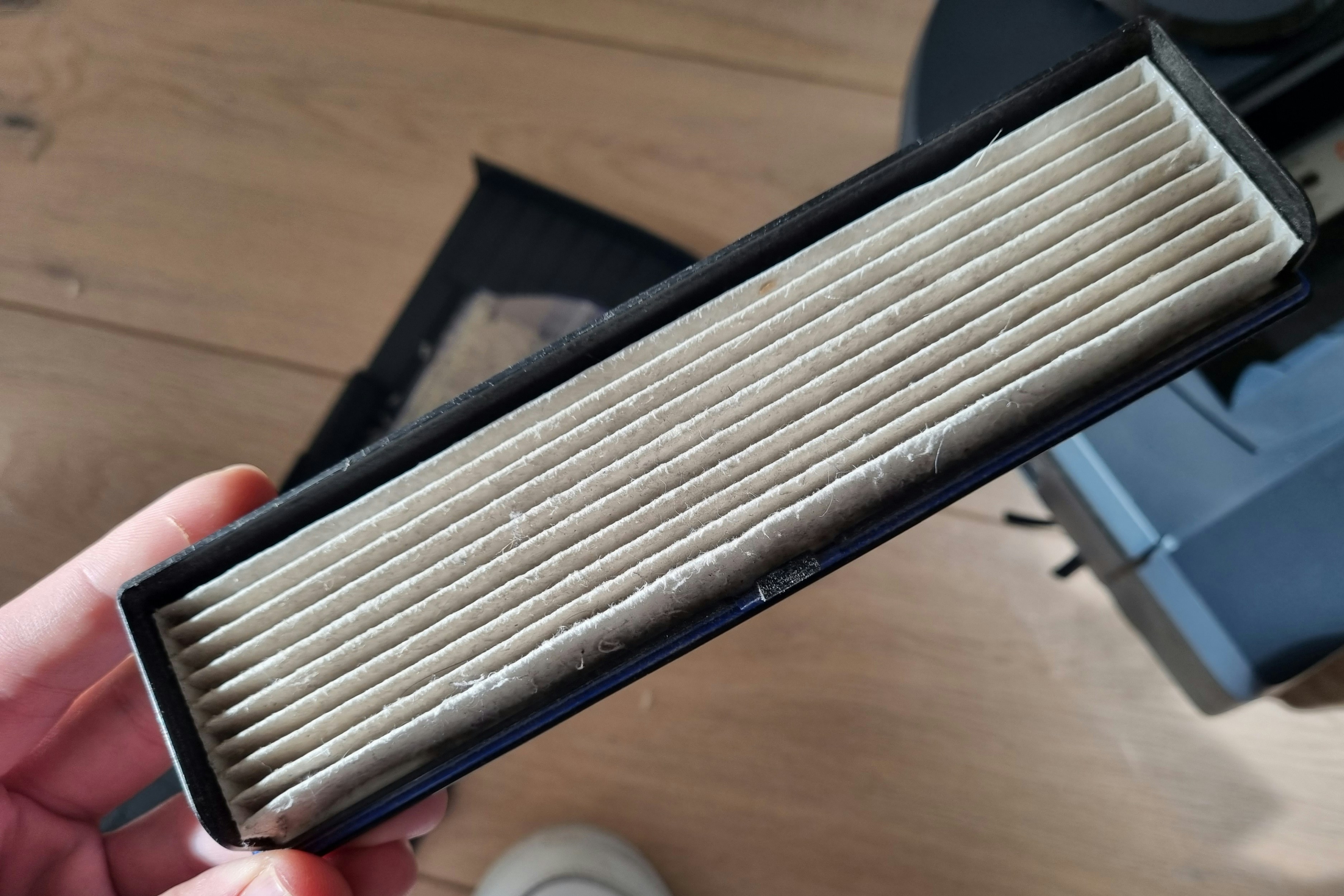
Pleated filters represent a step up when it comes to filtration capabilities. Designed with folds that significantly increase surface area, pleated filters can trap smaller particles, including pollen and mold spores. They typically have a Minimum Efficiency Reporting Value (MERV) rating of 8 to 13, indicating their ability to filter out a range of particulate sizes effectively. The higher the MERV rating, the more efficient the filter is at capturing airborne contaminants, making these an excellent choice for improving indoor air quality.
Furthermore, True HEPA filters are regarded as the gold standard in air filtration. With a MERV rating of 17 or higher, True HEPA filters can capture at least 99.97% of particles as small as 0.3 microns, including smoke, dust, and pet dander. Such filters are ideal for individuals with allergies or respiratory issues, as they dramatically reduce the presence of harmful allergens in the air.
In conclusion, understanding the different types of HVAC filters and their functions is crucial for maintaining both the efficiency of HVAC systems and the quality of indoor air. Selecting the appropriate filter not only contributes to energy savings but also ensures a healthier living environment.
Cost Analysis of HVAC Filters in 2026
The landscape of HVAC filter pricing is expected to evolve significantly by 2026, reflecting advancements in technology along with shifts in consumer preferences. Looking at the average costs of various types of HVAC filters, homeowners will find a range of options that cater to different budgets and air quality needs. For instance, 1-inch fiberglass filters, commonly used for their affordability, will likely remain the lowest-cost option, averaging between $1 to $3 per filter. Although they are economical, these filters may need more frequent replacements, which can lead to higher overall expenditures.
Moving up the quality ladder, pleated filters, particularly those rated with a MERV (Minimum Efficiency Reporting Value) of 8, are expected to be priced around $5 to $10 per filter. MERV 11 filters will cost slightly more, typically ranging from $10 to $15, offering better filtration and resulting in improved indoor air quality. The investment in higher-rated filters is often justified by their ability to capture more airborne particles, including allergens and pollutants.
When considering MERV 13 filters and True HEPA filters, the price point significantly increases. These filters, renowned for their superior filtration capabilities, can range from $20 to $50 and even higher depending on brand and model. While these filters are more expensive, their long-term benefits, including enhanced health outcomes and reduced HVAC maintenance costs, make them a worthwhile investment for many households.
Ultimately, while basic filters may offer immediate affordability, homeowners are encouraged to assess the long-term advantages of investing in higher-rated HVAC filters. By considering the overall costs in relation to air quality benefits, residents can make informed decisions that align with their household budgets and health considerations.
Recommended Frequency for Changing HVAC Filters
The frequency of changing HVAC filters varies significantly based on several household-specific factors. For a typical single-family home, it is generally recommended to replace filters every three months. However, this guideline can change based on individual circumstances that affect indoor air quality and the efficiency of your HVAC system.
For occupants of apartments or condominiums, filters may require less frequent changes, roughly every four to six months, given usually lower levels of dust and debris in shared living spaces. Yet, if the dwelling is located in an area with high external pollution, the frequency should align more closely with that of single-family homes.
In households with pets, it is crucial to adjust the filter replacement schedule more frequently, ideally every two months, due to the increased levels of pet dander and hair, which can clog filters. Similarly, for homes inhabited by allergy sufferers, monthly changes are often recommended to help maintain air quality by minimizing allergens such as dust mites and mold spores.
Neglecting to change HVAC filters can lead to several potential issues. Reduced energy efficiency is one of the primary concerns, as a clogged filter forces the system to work harder, resulting in higher utility bills. Moreover, poor air quality can arise from a buildup of pollutants, which may exacerbate health issues for sensitive occupants. Additionally, failing to perform timely filter changes can increase the risk of HVAC repairs, as the system may sustain damage from inadequate airflow and overheating.
Ultimately, understanding the recommended frequency of HVAC filter changes based on specific household circumstances allows for optimized maintenance schedules, which can significantly enhance both air quality and system efficiency.
Cost Comparisons and Smart Filter Solutions
When considering HVAC filters, homeowners often wonder about the annual costs associated with different types of filters and how frequently they need to be changed. This section provides a detailed analysis of the annual filter costs, taking into account various filter types such as fiberglass, pleated, HEPA, and electrostatic filters. Each filter type has its own price point and change frequency, influencing overall yearly spending. For instance, while fiberglass filters may be cheaper initially, their shorter lifespan often leads to more frequent replacements, resulting in higher overall costs.
Pleated filters, on the other hand, generally last longer but come at a slightly higher upfront cost. HEPA filters, known for their high efficiency in trapping small particles, have the highest price but can also provide significant health benefits for those with allergies or respiratory issues. Therefore, when calculating annual expenses, homeowners should consider both the initial cost and the frequency of changes to ascertain the most economical choice.
To facilitate better management of HVAC filter needs, solutions such as the Americana Choice accessory guide are helpful. These guides provide homeowners with personalized recommendations based on their specific heating and cooling systems and usage patterns. Furthermore, homeowners can benefit from smart filter subscription services. These services automatically deliver the required filters at scheduled intervals, ensuring that homeowners never run out of filters and receive timely reminders for replacements.
Selecting these smart solutions not only aids in maintaining optimal indoor air quality but can also lead to long-term savings. The reduced risk of system inefficiency due to dirty filters can translate to lower energy bills and fewer maintenance expenses. Consequently, investing in smart filter options and understanding filter costs can yield significant benefits for homeowners.
If you’re interested in purchasing the item you seek, please click the link for additional details: #americanachoice.
https://amzn.to/3SBN3Oy
AFFILIATE DISCLOSURE: I am an affiliate for this company, I am not a paid employee.
I may receive a commission if you click a link on this page and choose to purchase something.
You can rest assured I will only share things I believe in and will be valuable to you.