Duct tape, often heralded as a universal fix-it tool, has a fascinating history that dates back to World War II. Originally developed in the early 1940s, it was conceived by Johnson & Johnson as a waterproof sealing tape for munitions cases. This innovation was necessary to ensure that ammunition remained dry and intact under challenging conditions. The sturdy yet flexible composition of duct tape made it invaluable during wartime, effectively sealing boxes and other equipment against the elements.
After the war, soldiers returned home with leftover rolls of duct tape, leading to its widespread use in civilian life. Initially, its primary function was in construction and manufacturing settings, where it found applications in multiple tasks due to its strong adhesive properties. As the years progressed, this versatile tape transitioned from an industrial utility to a household staple, beloved for its ability to repair almost anything.
Interestingly, duct tape gained further fame as it started to be embraced in unconventional areas, including automotive and even aerospace industries. NASA successfully utilized duct tape in space missions during the Apollo program, showcasing its utility beyond earthly dilemmas. Anecdotes of astronauts employing duct tape to secure loose equipment or even as a makeshift solution to unexpected problems further solidified its reputation as a reliable adhesive.
Moreover, the creativity of everyday consumers led to innovative uses of duct tape that reached beyond mere repairs. From crafting wallets to creating art, duct tape has found its place in popular culture, often celebrated during “Duct Tape Festivals” across the United States. The tape’s evolution from a wartime necessity to a cultural icon illustrates not only its functionality but also society’s adaptability and ingenuity.
Duct tape is renowned for its versatility, making it a go-to solution for a multitude of repair tasks around the home and beyond. Knowing when to use duct tape is crucial to maximizing its benefits and ensuring effective repairs. One of the most common scenarios for duct tape application is to provide temporary fixes for household items. For instance, when a chair breaks, a piece of duct tape can bond the parts together long enough until a more permanent solution can be implemented.
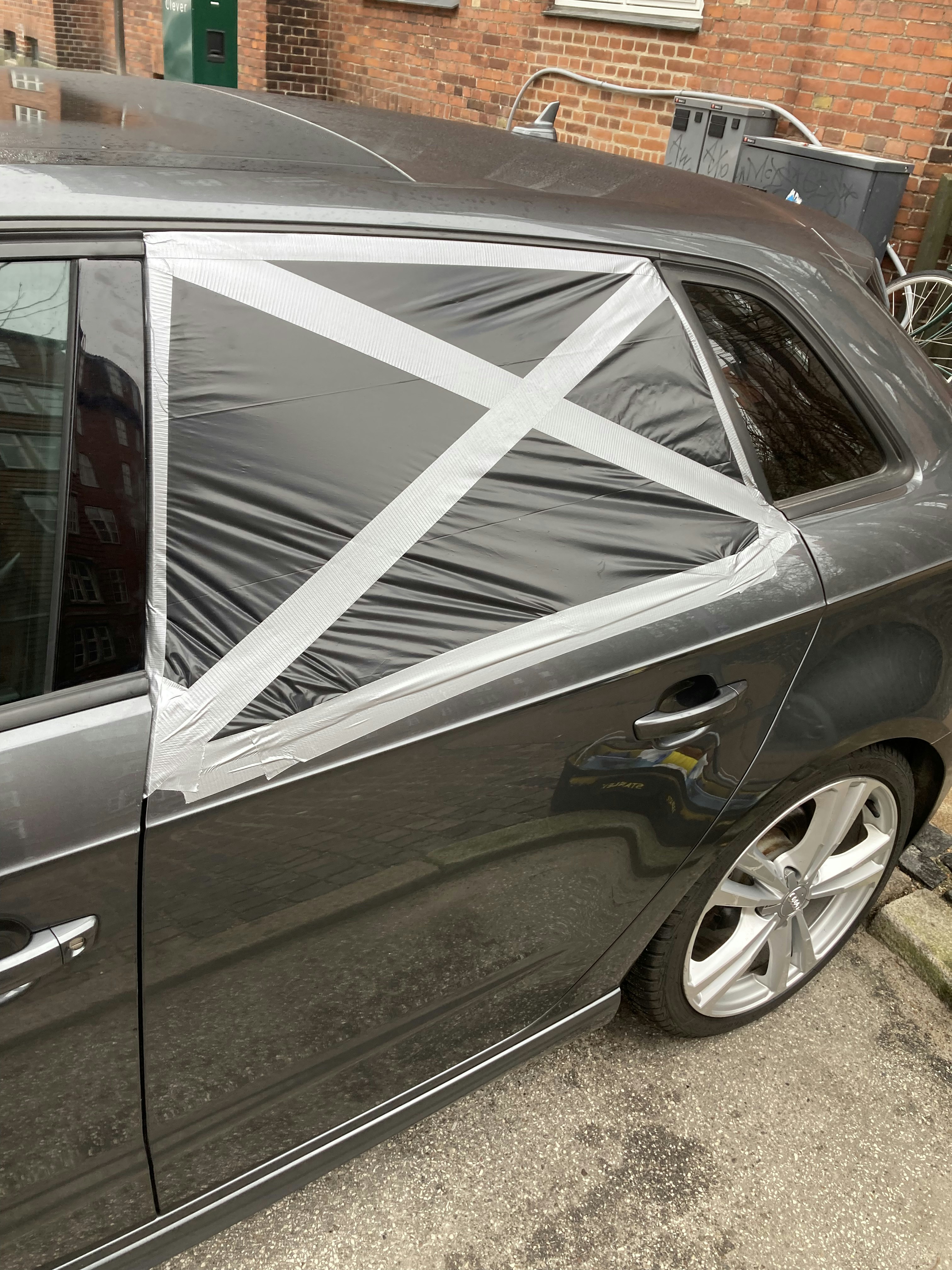
In situations where immediate action is necessary, such as a broken window or a damaged hose, duct tape can serve as a quick and efficient temporary solution. It creates a seal that can keep the elements out and allow for continued use until the item can be properly repaired. This characteristic makes duct tape particularly valuable in emergencies, where time and resources may be limited.
Moreover, duct tape can also be an innovative tool in crafts and various DIY projects. It comes in multiple colors and patterns, allowing users to engage in creative endeavors, such as creating gift wrap or decorations where sturdiness and aesthetic appeal are required. For example, parents can find duct tape particularly handy for crafting projects with children, transforming simple tasks into fun, engaging activities.
It’s important to note, however, that while duct tape can offer incredible benefits in many scenarios, it should primarily be regarded as a temporary solution rather than a definitive fix. In applications where structural integrity is paramount, like in electrical or plumbing repairs, other materials or professional services may be more appropriate. Overall, understanding the right contexts and limitations of duct tape is essential for effective usage.
When Not to Use Duct Tape: Catastrophic Failures
Duct tape, renowned for its adhesive properties and versatility, has earned a reputation as a go-to solution for quick repairs. However, it is crucial to understand that duct tape is not a universal remedy; certain applications require durable and safe solutions. Among these are plumbing and electrical repairs, where reliance on duct tape can lead to disastrous consequences.
In plumbing scenarios, using duct tape to fix leaks or broken pipes may seem convenient. For instance, there are numerous reports of households which attempted to seal a leaky pipe with duct tape, only to find the problem exacerbated. The inherent moisture in plumbing systems can weaken duct tape’s adhesion, rendering it ineffective over time. Although the tape may initially provide a short-term fix, the eventual failure can lead to severe water damage, mold growth, and costly repairs, highlighting the risks of duct tape in such situations.
Similarly, utilizing duct tape for electrical repairs poses significant hazards. When electrical wires are damaged, there is an urgent need for a reliable and permanent solution. Duct tape may not only fail to provide adequate insulation, but it can also be highly flammable. Electrical short circuits caused by improper tape applications have resulted in fires, with devastating impacts on properties and safety. Real-life incidents demonstrate that inadequate repairs performed with duct tape can culminate in catastrophic failures, emphasizing the importance of recognizing the limitations of this adhesive.
In conclusion, while duct tape can be an effective solution for many temporary fixes, it should not be relied upon for plumbing and electrical repairs. Understanding when duct tape is unsuitable is essential to prevent potential disasters and ensure long-lasting solutions. The risks associated with its use in critical applications serve as a reminder to always prioritize safety and durability over expediency.
The Takeaway: Balancing Creativity and Caution
Duct tape has earned its reputation as a versatile tool, often regarded as a “quick fix” for a multitude of repairs. Its strong adhesion and adaptability can inspire innovative solutions, allowing individuals to address immediate issues with minimal resources. However, while duct tape can provide a temporary remedy, it is essential to acknowledge its limitations and the potential risks associated with its use.
When employing duct tape as a solution, one must carefully evaluate the nature of the problem at hand. For instance, using duct tape on a leaky pipe may offer a temporary reprieve, but it should not replace a more permanent solution. Adopting a thoughtful approach to repairs involves assessing whether duct tape is the appropriate choice or if more conventional techniques should be considered. In situations where the repair is critical or complex, the involvement of a professional may be warranted.
An awareness of both the creativity sparked by duct tape and the caution necessary for effective repairs is essential. Users should weigh the pros and cons, ensuring that any application of duct tape does not inadvertently lead to further complications. Reviewing the context and impact of repairs can facilitate informed decision-making, guiding individuals toward optimal methods and techniques.
To promote a balanced approach, one can establish a checklist to determine the suitability of duct tape for specific repairs. Questions to consider include: Is the issue superficial, or does it require a thorough fix? Can duct tape serve as a temporary measure until a professional solution is implemented? By addressing these questions, individuals can avoid potential pitfalls associated with hurried repairs.
If you’re interested in purchasing the item you seek, please click the link for additional details: #americanachoice.
https://amzn.to/3SBN3Oy
AFFILIATE DISCLOSURE: I am an affiliate for this company, I am not a paid employee.
I may receive a commission if you click a link on this page and choose to purchase something.
You can rest assured I will only share things I believe in and will be valuable to you.