Understanding ‘Character’ in Our Homes
The concept of ‘character’ in our homes often emerges from the unique quirks and imperfections that define a space. These small issues, such as a squeaky staircase or a slightly wobbly table, can infuse a residence with distinct charm and personality. While some homeowners may view these flaws as inconveniences or signs of deterioration, others perceive them as endearing features that celebrate the history and individuality of the space.
Character can reflect the age of the home, encapsulating years of lived experiences that contribute to its narrative. For example, creaky floors might echo the footsteps of generations, provoking fond memories or a sense of continuity. Such imperfections are often reminders of the home’s journey, showcasing its ability to adapt and withstand the test of time. This emotional connection to a house can deepen the attachment homeowners feel, making them view such flaws as cherished memories rather than mere defects.
Furthermore, character often invites creativity and personalization in home maintenance. Homeowners may choose to embrace these imperfections, incorporating them into their decor or renovation plans. For instance, a wobbly table could inspire artistic solutions, prompting the owner to create a unique centerpiece rather than simply replacing the table entirely. This approach not only honors the home’s original characteristics but also fosters an environment that reflects the homeowner’s personality and style.
Thus, understanding ‘character’ provides valuable insight into how we perceive our living spaces. In many cases, the quirks that we must decide whether to fix or live with contribute to the charm, creating atmospheres that embody stories and experiences unique to each household.
Identifying Acceptable vs. Unacceptable Flaws
When it comes to home maintenance, understanding the distinction between acceptable and unacceptable flaws is crucial for homeowners. Acceptable flaws may include minor cosmetic damages or age-related wear that do not impede functionality or safety. For instance, small scratches on wooden floors or wall paint that has slightly faded may not necessitate immediate attention, as these imperfections can often be seamlessly addressed during routine upkeep or renovations.
However, the threshold for unacceptable flaws shifts considerably when safety and functionality are compromised. Issues such as cracks in structural elements, water infiltration from the roof or basement, or malfunctioning electrical systems are red flags that typically signal the need for urgent repairs. These problems can lead to severe consequences, including potential health risks, reduced property value, or even further damage if left unaddressed.
To evaluate whether to live with an imperfection or take the plunge into repairs, consider several key factors. First, assess the potential consequences of the flaw. A minor aesthetic issue may be bearable for some time, but a critical fault affecting structural integrity requires immediate action. Next, factor in the cost of repairs versus the long-term investment in the property. Addressing significant flaws tends to pay off in the future, as it not only enhances safety but also supports home value.
Ultimately, the decision hinges on a comprehensive understanding of the implications an imperfection may have on day-to-day living. By regularly assessing the condition of a home and discerning acceptable from unacceptable flaws, homeowners can maintain their properties effectively while ensuring a safe and pleasant living environment.
The Psychological Impact of Home Maintenance Decisions
The decisions surrounding home maintenance—whether to repair issues or choose to live with them—have significant mental and emotional ramifications for homeowners. The psychology of these choices intertwines with personal well-being, self-esteem, and overall satisfaction with one’s living environment. Homeownership typically fosters a sense of pride among individuals, as it represents a significant personal investment. However, the presence of unresolved maintenance issues can directly undermine this pride, leading to feelings of anxiety and frustration.
Research demonstrates that clutter and disrepair within a home can profoundly impact an individual’s mental state. Homes that are neglected or poorly maintained can create a sense of discomfort, which may manifest as stress or feelings of inadequacy. This discontent can inhibit relaxation and make it difficult for residents to enjoy their space fully. In contrast, tackling maintenance tasks can lead to a sense of accomplishment and enhanced well-being. Completing repairs or upgrades not only improves the living conditions but can also serve as a source of pride, positively influencing homeowners’ mental health.
Moreover, external influences such as societal expectations can complicate these decisions further. Homeowners often feel pressure to present their residences in a certain light, contributing to anxiety regarding how others perceive their spaces. Those who live with unresolved issues might grapple with feelings of shame or embarrassment, thereby reducing their overall life satisfaction. This makes the choice to neglect repairs an emotionally charged decision that reflects not just a practical concern but one that intersects with identity and societal norms.
Ultimately, understanding the psychological implications of maintenance decisions can empower homeowners to make choices that promote both physical comfort and mental well-being, emphasizing the need for a careful evaluation of when to repair versus when to tolerate issues within their homes.
Practical Solutions: Judging When to Fix and When to Accept
Homeownership brings with it numerous responsibilities, particularly concerning maintenance and repairs. One of the most challenging decisions homeowners face is whether to address a home issue promptly or accept it as part of the home’s character. To navigate this dilemma, homeowners can utilize a practical checklist that evaluates various criteria when determining the necessity for repairs.
First, consider the impact of the issue on daily living. Does the problem hinder functionality or compromise safety? For instance, plumbing leaks or electrical malfunctions should be prioritized for immediate repair due to their potential for significant damage and risk. On the other hand, minor cosmetic imperfections, such as scratched paint or slightly crooked shelves, can often be accepted without adverse effects.
Next, assess the cost associated with fixing the issue. If the expense outweighs the benefits of repair, it may be more prudent to accept the imperfection. Homeowners should also consider the potential for the problem to worsen over time. Issues that can lead to secondary damage, if left unattended, may ultimately necessitate costlier repairs down the line.
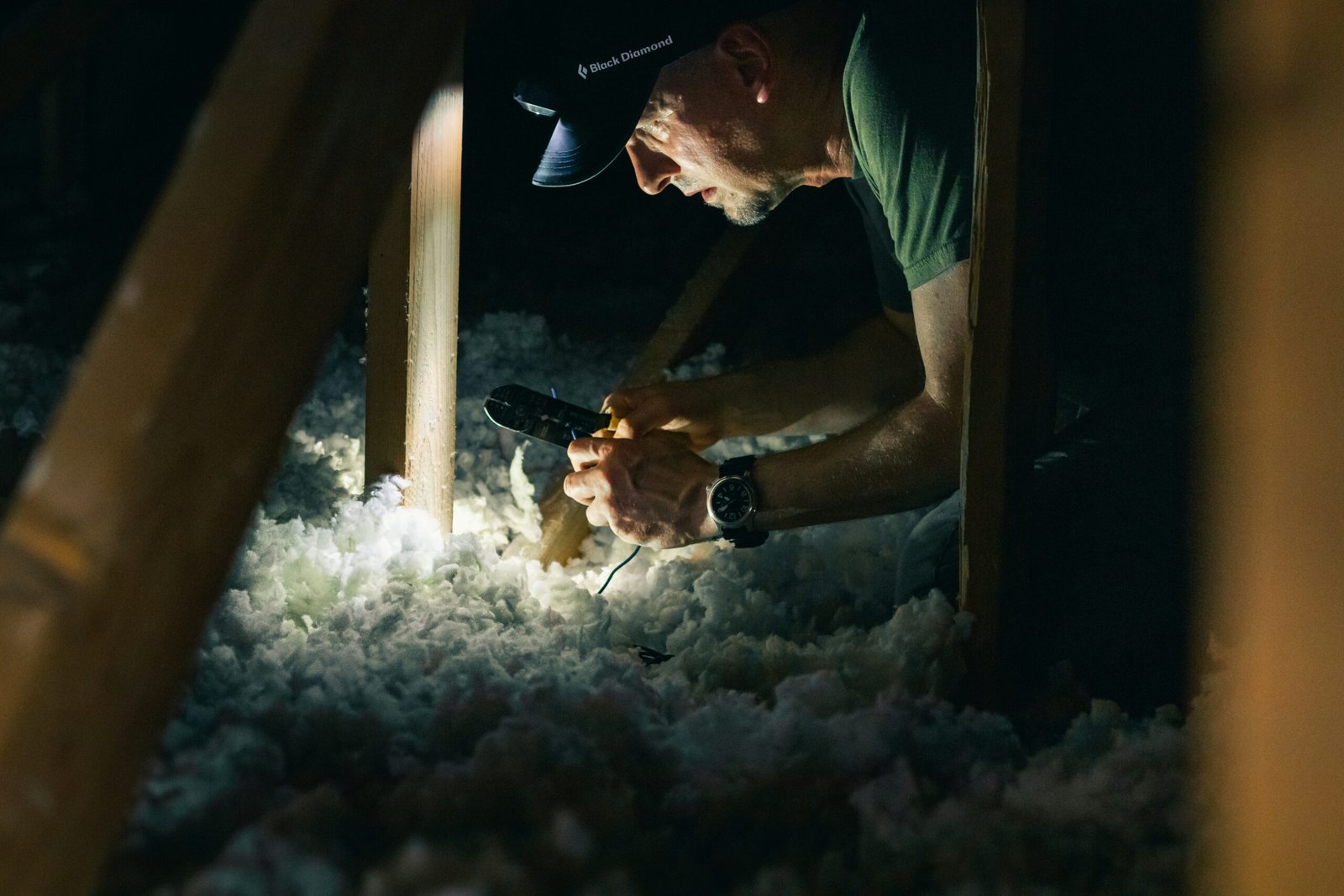
For those inclined towards DIY, identifying skills and resources available is crucial. Homeowners can often manage simple repairs like patching walls or fixing leaky faucets by following online tutorials. However, for complicated issues—such as structural damage or complex electrical work—consulting a professional can be a wiser choice, ensuring safety and effectiveness.
Lastly, balance between aesthetics and functionality plays a critical role in making these decisions. While unique architectural quirks can add charm to a home, they should never compromise essential utility. By carefully weighing these factors, homeowners can make informed choices that preserve the character of their homes while maintaining a comfortable and safe living environment.
If you’re interested in purchasing the item you seek, please click the link for additional details: #americanachoice.
https://amzn.to/3SBN3Oy
AFFILIATE DISCLOSURE: I am an affiliate for this company, I am not a paid employee.
I may receive a commission if you click a link on this page and choose to purchase something.
You can rest assured I will only share things I believe in and will be valuable to you.