Understanding Extension Cords: What You Need to Know
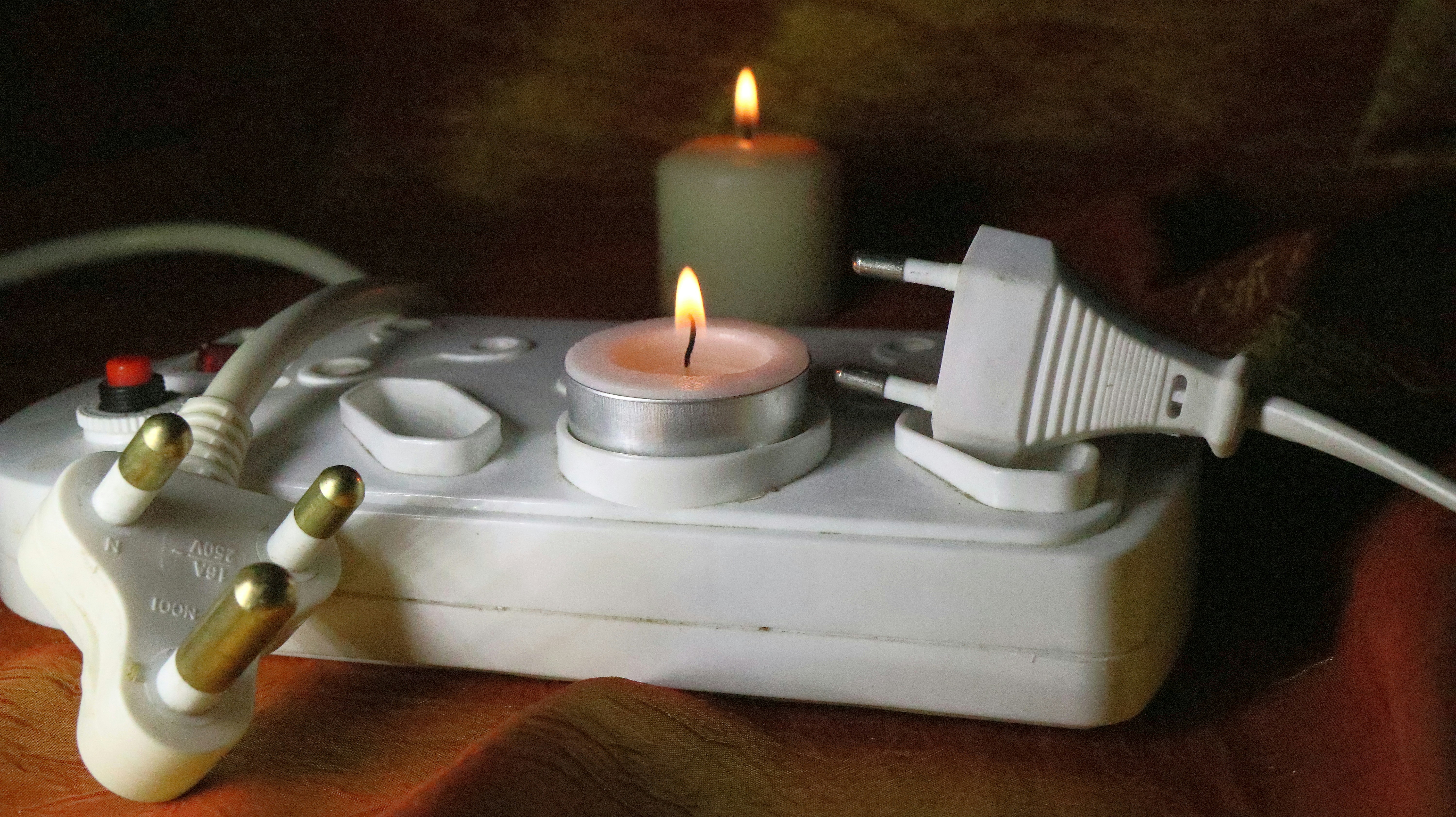
Extension cords are practical and versatile electrical devices designed to extend the reach of power from an outlet to various appliances and devices. Essentially, they consist of a flexible cable with a plug on one end and one or multiple sockets on the other. Their primary function is to deliver electrical power to equipment that is located away from fixed power sources. This feature makes them an essential tool for both residential and commercial use.
Commonly, extension cords are utilized in various settings, including homes, offices, workshops, and outdoor environments. In a home, they can facilitate power supply for tools in a garage or lighting in outdoor spaces during gatherings. In offices, these cords are invaluable for connecting technology such as computers, printers, and chargers to distant outlets. Additionally, outdoor use of extension cords, albeit with specific outdoor-rated models, allows for the powering of decorations, tools, and other electrical devices during events, especially in landscaping or maintenance activities.
There are several types of extension cords available in the market to cater to different needs. General-purpose extension cords, rated for indoor use, are commonly used for low to moderate power needs. For higher power demands, such as outdoor equipment or heavy machinery, heavier-duty extension cords with a greater amp capacity are advisable. Furthermore, specialized extension cords with added features like surge protection, heavy-duty construction, or extra-long lengths are also accessible. Understanding these various options can significantly affect your choice in ensuring safety and meeting power requirements efficiently.
Safety First: Guidelines for Using Extension Cords Correctly
Extension cords are a practical solution for extending power to devices where it would otherwise be inaccessible. However, using them incorrectly can lead to serious safety hazards. It is crucial to prioritize safety when employing these cords. One key point in ensuring safety is selecting the appropriate extension cord for your specific needs. Consider the cord’s wattage rating, gauge, and length based on the appliance you intend to power. Using a cord that is not rated for the intended use can result in overheating and potential fire hazards.
Before using any extension cord, it is essential to conduct a thorough inspection. Look for any signs of damage, such as frayed or exposed wires, which can pose significant electrical risks. If you identify any damage, do not use that cord; instead, opt for a new, undamaged cord to ensure safety during operation. Additionally, avoiding overloads is a vital guideline to follow. Each extension cord has a designated amperage capacity, and exceeding that can lead to overheating. Be sure to check the electrical requirements of devices you plan to connect and ensure they do not exceed the extension cord’s limits.
Proper storage of extension cords also plays a critical role in maintaining their usability and safety. After use, coils should not be left tangled and must be stored in a dry area to prevent moisture accumulation, which can damage the cord. Regularly assess your extension cords for wear and replace any that show signs of degradation. Recognizing a quality cord often includes assessing its construction materials; heavier-duty cords tend to be more resistant to wear and tear. Employing these safety guidelines will significantly reduce risks while enhancing the utility of extension cords in various settings.
Choosing the Right Extension Cord: What to Look For
When selecting an extension cord, several key factors should be considered to ensure safe and effective usage. One of the most critical specifications is the wire gauge, commonly referred to as American Wire Gauge (AWG). Lower numbers indicate a thicker wire, which can carry more current safely. For instance, a 14 AWG cord is suitable for moderate applications like small appliances, while a 12 AWG cord is better for higher wattage devices. Understanding the necessary gauge for your specific needs is essential to prevent overheating and potential hazards.
Another important factor is the length of the extension cord. Longer cords can reduce voltage, especially if they are used with high-demand equipment. It’s advisable to minimize the length of the cord as much as practical for your setup to maintain optimal power delivery. Generally, it is best to use the shortest cord necessary to connect devices effectively.
Wattage capacity is also a crucial consideration in choosing the right extension cord. Each cord has a specific watt capacity, and exceeding this limit can lead to risks such as overheating or fire. It is vital to check the total wattage of the connected devices and ensure the extension cord can handle the cumulative load properly.
Furthermore, the choice between indoor and outdoor extension cords cannot be overlooked. Indoor cords are typically made with materials suitable for dry environments, whereas outdoor cords are designed to withstand elements such as moisture and temperature fluctuations. Choosing the appropriate type based on the intended use is crucial for safety and longevity.
Lastly, consider the plug types and safety features. Some extension cords come with safety mechanisms like surge protectors and circuit breakers, which can add an extra layer of protection during use. Ensuring that these features are incorporated can enhance safety, particularly when operating high-power devices.
Innovative Uses for Extension Cords and Alternative Solutions
Extension cords have traditionally been employed to power devices that are located farther away from electrical outlets. However, their versatility goes well beyond basic applications. For instance, they can serve as creative solutions for temporary power needs during outdoor events or when hosting gatherings. By strategically using extension cords, users can power multiple devices in a single location without requiring extensive wiring, making them particularly useful for setting up lights, speakers, or heating elements in a backyard setting.
Another innovative application of extension cords is their role in DIY projects. Whether it’s for crafting, woodworking, or home improvement endeavors, extension cords can help facilitate the use of power tools that may not be located near a standard outlet. This flexibility not only enhances the efficiency of the work but also encourages creative experimentation with various installations, such as creating custom lighting fixtures or outdoor decorations.
While extension cords provide valuable benefits, it is also essential to consider alternatives such as power strips and smart plugs. Power strips offer the advantage of providing multiple outlets in a single location and often feature surge protection, which promotes device safety. However, improper use—such as daisy-chaining power strips—can lead to overheating or electrical hazards. Smart plugs, on the other hand, allow for remote control of devices and integration into smart home systems, improving usability significantly. Though generally more efficient, they require a stable Wi-Fi connection and may not provide the same immediate access to power as an extension cord.
Ultimately, while extension cords remain a staple in many households, understanding the pros and cons of available alternatives can help users make informed decisions based on their specific needs and situations. By employing these tools creatively and responsibly, individuals can enhance both the functionality and safety of their electrical setups.
If you’re interested in purchasing the item you seek, please click the link for additional details: #americanachoice.
https://amzn.to/3SBN3Oy
AFFILIATE DISCLOSURE: I am an affiliate for this company, I am not a paid employee.
I may receive a commission if you click a link on this page and choose to purchase something.
You can rest assured I will only share things I believe in and will be valuable to you.