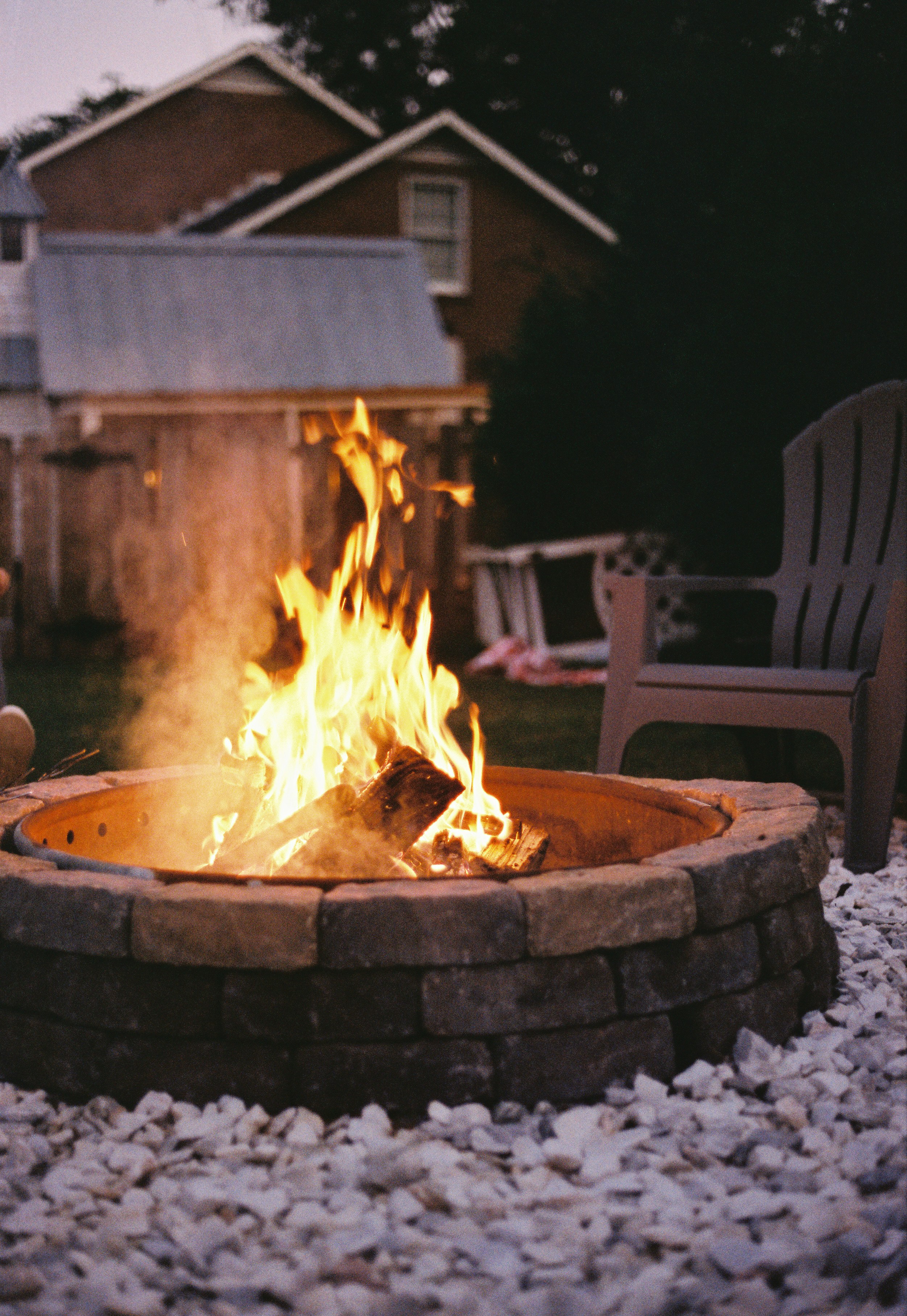
What is Smoke?
Smoke is a complex mixture of gases, particulate matter, and aerosols that is produced by the incomplete combustion of organic materials. The composition of smoke varies significantly depending on the source and the burning conditions. Common chemical constituents found in smoke include carbon monoxide, carbon dioxide, volatile organic compounds (VOCs), and numerous fine particulate matters. These components contribute to the visible appearance of smoke, which can range from a thin haze to a thick cloud.
One of the primary types of smoke is wood smoke, generated when wood fuels are burned either in outdoor settings or in indoor fireplaces. It contains a variety of harmful pollutants, including formaldehyde and benzene. Another prevalent type of smoke is tobacco smoke, which is emitted during the combustion of tobacco products. This type of smoke poses significant health risks, as it contains thousands of chemicals, many of which are known carcinogens.
Additionally, smoke produced from fossil fuels represents a major source of air pollution, predominantly in urban contexts. This type is generated from the burning of fuels such as coal, oil, and natural gas, leading to significant environmental degradation due to the release of particulate matter and greenhouse gases. Smoke can also be produced in industrial processes, including the manufacturing of products and energy generation.
The conditions under which smoke is formed are critical. Factors such as temperature, oxygen availability, and the type of material being burned greatly influence the composition and characteristics of the smoke produced. In environments with sufficient oxygen, combustion tends to be more complete, resulting in less smoke and lower pollutant emissions. Conversely, oxygen-poor conditions can result in the accumulation of harmful smoke particles and toxins.
The Health Effects of Smoke Exposure
Smoke exposure can have a profound impact on human health, manifesting both in immediate and long-term consequences. The inhalation of smoke, which contains a plethora of harmful chemicals and particulate matter, primarily affects the respiratory system. Individuals, especially those with pre-existing conditions, may experience acute effects such as irritation of the airways, cough, and shortness of breath shortly after exposure. Furthermore, a consistent exposure to smoke is linked to chronic respiratory diseases, including asthma and bronchitis, which can significantly impair quality of life.
The implications of secondhand smoke exposure are particularly concerning. According to the Centers for Disease Control and Prevention (CDC), approximately 41,000 deaths in non-smoking adults each year can be attributed to secondhand smoke exposure in the United States. This statistic underscores the pervasive nature of smoke’s impact beyond the immediate smoker.
Vulnerable populations, including children and the elderly, are at an elevated risk for adverse health outcomes associated with smoke inhalation. Children are especially susceptible due to their developing respiratory systems; exposure can lead to reduced lung function and the onset of asthma, which is a growing concern in pediatric health. Additionally, older adults may have compromised immune systems or underlying health conditions, rendering them more vulnerable to the effects of smoke. Studies indicate that elderly individuals exposed to smoke are more likely to experience chronic obstructive pulmonary disease (COPD) and other serious health complications.
Research findings show that smoke exposure correlates with increased hospital admissions and healthcare costs, highlighting the broader implications of smoke on public health systems. Addressing smoke exposure requires concerted efforts from policymakers to implement regulations aimed at reducing smoke emissions and protecting public health.
Environmental Impact of Smoke
Smoke serves as both a visible indicator of air pollution and a significant contributor to various environmental challenges. When biomass burns, such as in wildfires or agricultural practices, smoke releases particulate matter and pollutants into the atmosphere. These emissions adversely affect air quality, leading to health complications for both humans and wildlife. In urban settings, smoke can exacerbate existing air quality issues, resulting in the formation of smog. Smog not only impairs visibility but also poses serious health risks, particularly for vulnerable populations such as children and the elderly.
Moreover, smoke contributes to climate change, a pressing global concern. The combustion of organic materials releases greenhouse gases, including carbon dioxide and methane, which trap heat in the earth’s atmosphere. This phenomenon is particularly pronounced during extensive forest fires, which can release significant amounts of carbon stored in trees back into the atmosphere. As these emissions accumulate, they contribute to the greenhouse effect, leading to rising global temperatures and changing climate patterns.
In addition to its direct effects on air quality and climate change, smoke also exerts pressure on ecosystems. The particles in smoke can settle on soil and water surfaces, leading to alterations in nutrient cycles and adversely affecting plant life. Changes in vegetation can have cascading effects on local wildlife, disrupting food supplies and habitats. The impact extends further, as altered ecosystems can affect global biodiversity. In agriculture, smoke from crop burning can have both local and global implications, contributing to air pollution while also impacting soil health.
Smoke Prevention and Mitigation Strategies
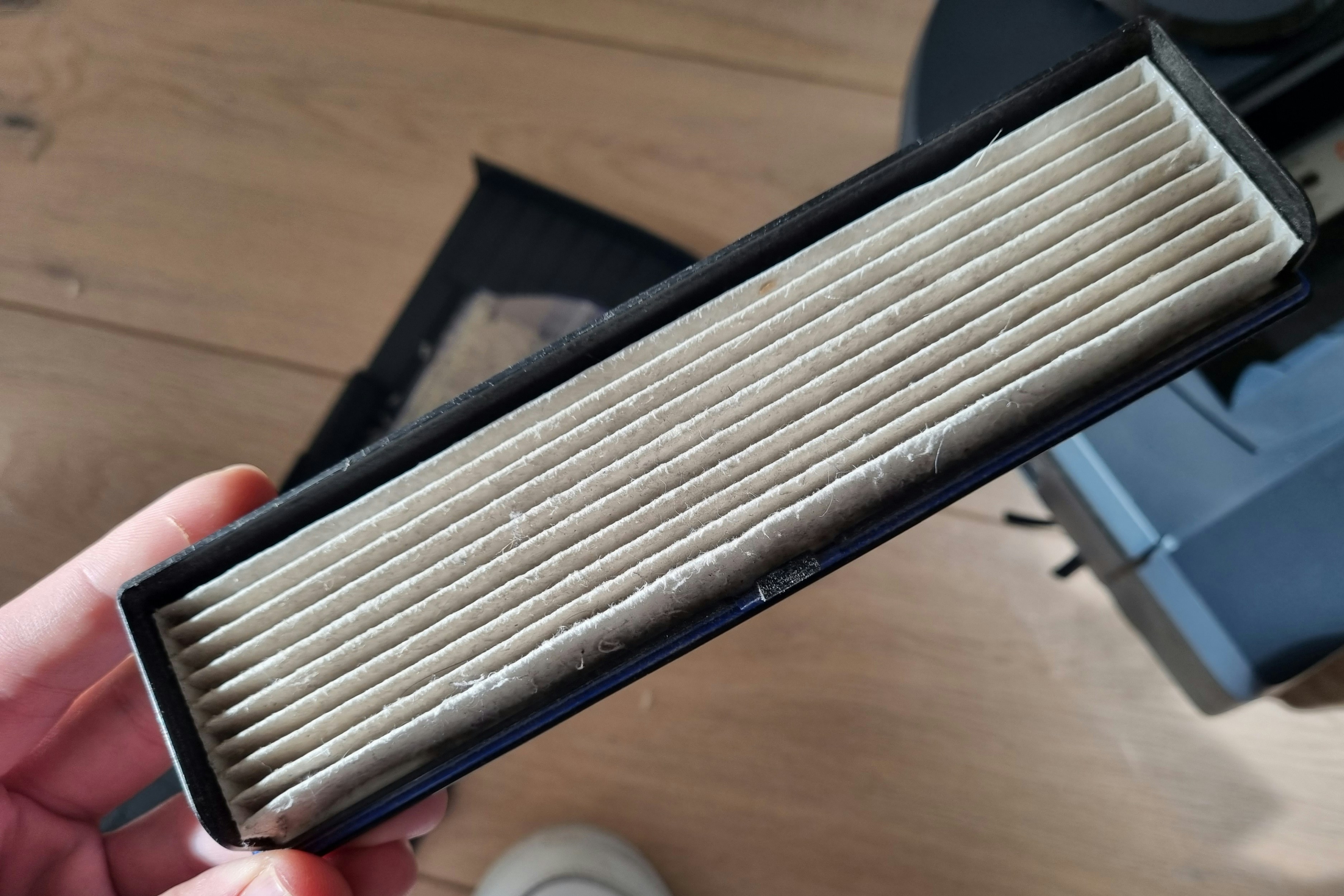
Effective smoke prevention and mitigation strategies are crucial in curbing the adverse effects of smoke on both public health and the environment. One of the primary approaches is the adoption of cleaner burning technologies across industries and in residential heating. For instance, transitioning from traditional wood stoves to modern, EPA-certified models can significantly reduce smoke emissions. Additionally, industrial operations should incorporate advanced filtration systems and smokestack technologies that minimize particulate matter and other pollutants released into the atmosphere.
Moreover, implementing comprehensive smoke-free regulations is essential to create healthier environments, particularly in urban areas. Such regulations can include restrictions on burning waste materials and tighter controls on construction activities that contribute to smoke generation. Public awareness initiatives also play a vital role in this context, educating communities about the health hazards associated with smoke exposure and encouraging practices that lead to cleaner air. Campaigns may focus on promoting alternatives to burning, such as composting and recycling, which can effectively reduce urban smoke levels.
Equally important are the policy measures that support smoke mitigation efforts. Local and national governments should prioritize smoke reduction in their environmental legislation, providing incentives for low-emission technologies and establishing guidelines for industrial emissions. Collaboration among governmental agencies, environmental organizations, and the public is essential to foster community involvement in monitoring and reducing smoke emissions.
To achieve lasting improvements in air quality, it is imperative for individuals to engage proactively with their local policies and practices aimed at smoke reduction. This cooperation can lead to better awareness and more effective implementation of strategies designed to protect public health and the environment.
If you’re interested in purchasing the item you seek, please click the link for additional details: #americanachoice.
https://amzn.to/3SBN3Oy
AFFILIATE DISCLOSURE: I am an affiliate for this company, I am not a paid employee.
I may receive a commission if you click a link on this page and choose to purchase something.
You can rest assured I will only share things I believe in and will be valuable to you.