Introduction: The Cost of Repairing Your Home
Home repairs are an inevitable aspect of homeownership that require careful consideration and planning. Each room in a house presents unique challenges and potential issues, which can result in significant costs when repairs are needed. Understanding the financial implications associated with repairs is essential for homeowners looking to maintain their property and avert unexpected expenses.
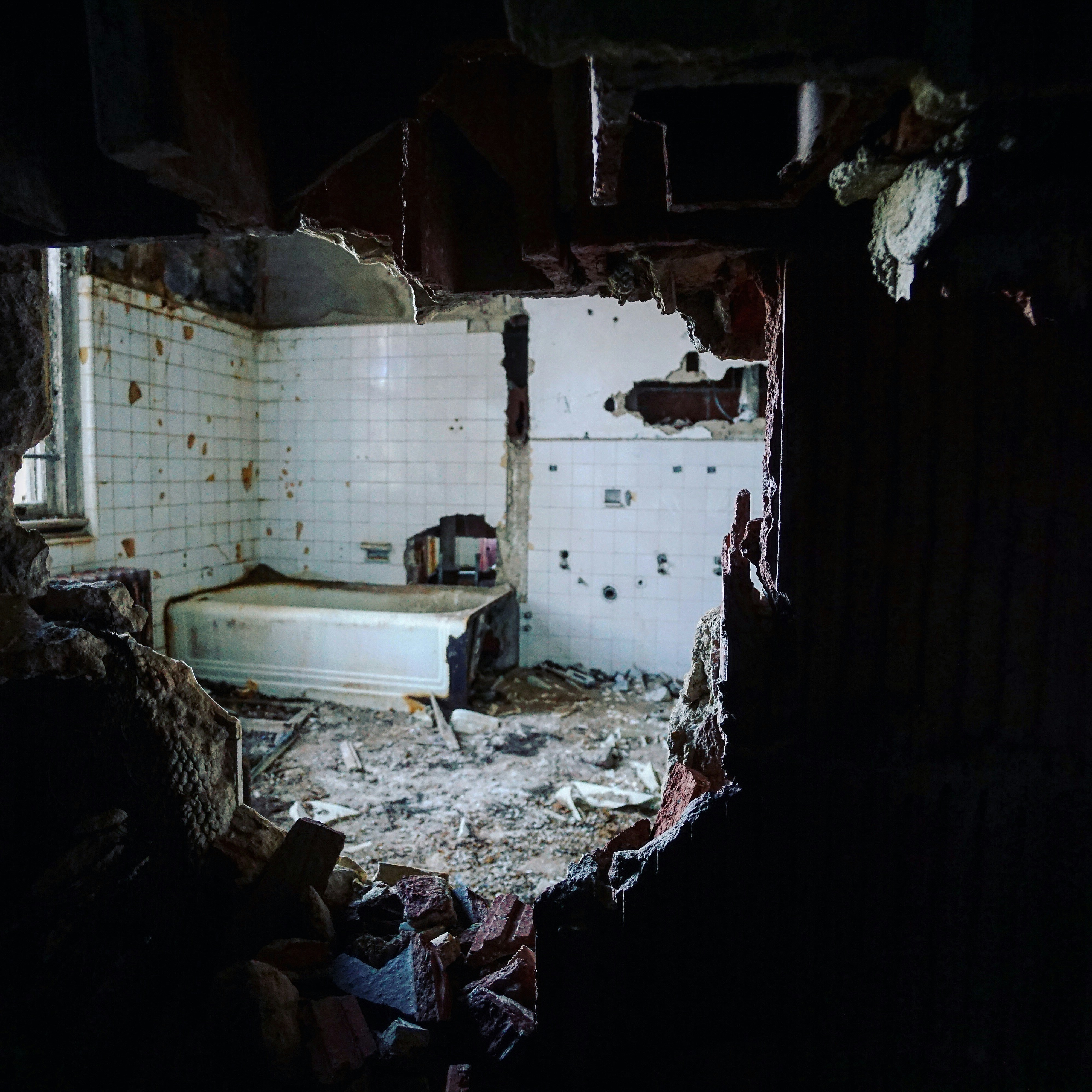
In particular, the bathroom stands out as the most expensive room to repair, often fraught with issues such as plumbing leaks, mold growth, and tile damage. These problems can emerge suddenly, leading to substantial costs for both repairs and related damages. Overall, all rooms come with certain repair risks, but the bathroom’s complexity amplifies the necessity for homeowners to be proactive and informed.
This blog post aims to provide a comprehensive ranking of each room within the home based on the typical costs associated with repairs. By examining trends, common repair scenarios, and associated expenses, we hope to illuminate the often-underestimated financial burdens that can arise from neglecting home maintenance. Additionally, this post will raise awareness about prevailing issues each room may encounter, encouraging homeowners to adopt preventive measures to mitigate costs.
Through the rankings provided, readers will gain insights into which areas of their homes may pose the greatest financial risks. This knowledge facilitates better budgeting and long-term planning, empowering homeowners to tackle repairs methodically. Ultimately, understanding the costs of repairing your home, especially in rooms like the bathroom, plays a crucial role in effective property management and upkeep.
Ranking the Rooms: From Least to Most Expensive
When evaluating the potential repair costs across various rooms in a home, it is essential to consider their likelihood of significant issues arising. This evaluation reveals a hierarchy of rooms ranked by their repair costs, starting from the least to the most expensive. The findings are framed through a ‘danger score’ that reflects the potential for costly surprises, indicating where homeowners should concentrate their preventive measures.
At the bottom of the ranking, we find the bedroom, generally considered safe from major repair issues. Its danger score is notably low, making it a space that primarily requires standard maintenance. However, homeowners should remain vigilant regarding moisture issues which can lead to mold growth, a concern that, while not frequent, can become costly if left unchecked.
Next is the attic, which carries a slightly higher risk due to insulation failures and pest invasions. The danger score for attics indicates an increased potential for repairs, particularly concerning roof leaks and insulation deterioration. These aspects can significantly escalate costs if not monitored diligently.
The basement ranks higher, with its inherent risks related to flooding and structural integrity. Its danger score reflects that water infiltration is a common issue, leading to extensive and expensive repairs that can affect the entire home structure.
The kitchen, a central hub in any home, ranks just below the bathroom. The kitchen’s danger score is attributed to plumbing issues and appliance malfunction, both of which can result in costly repairs. Finally, the bathroom reigns supreme as the room with the highest repair costs. Its danger score is influenced by frequent plumbing failures and the high potential for water damage, making it prudent for homeowners to prioritize regular inspections and maintenance.
The Bathroom: Always the Most Expensive Room to Fix
The bathroom frequently emerges as the most financially burdensome room within a home when it comes to repairs and maintenance. Numerous issues can arise in this relatively compact space, primarily due to its exposure to water and humidity. Common problems encompass plumbing leaks, which can lead to significant water damage if not promptly addressed. Such leaks can stem from various sources, including faulty pipes, worn-out fixtures, or even old grout. The costs associated with these plumbing repairs can rapidly accumulate, necessitating both immediate attention and, in severe cases, extensive renovations.
Alongside plumbing issues, mold growth is another prevalent concern in bathrooms. Given the moist environment, mold spores can thrive, resulting in unsightly patches and potential health risks. Removal of mold can request costly treatments and sometimes even require replacement of affected materials, particularly if the mold has penetrated behind tiles or walls. Homeowners must regularly inspect for any signs of mold to mitigate these risks and avoid extensive repair bills.
Moreover, water damage, often a silent adversary, can compromise both structural integrity and aesthetic appeal. Leaking toilets, malfunctioning shower seals, or even dripping faucets can contribute to long-term degradation of flooring and walls. Repairing such damage typically involves not just dealing with the immediate problem but also addressing any secondary issues such as dry rot or mildew.
To help reduce repair costs, homeowners should prioritize routine maintenance practices. Regular inspections of plumbing systems, immediate attention to leaks, and proper ventilation can significantly mitigate the risks associated with water and moisture in the bathroom. By taking these proactive steps, homeowners can safeguard their investment and ensure their bathrooms remain functional and aesthetically pleasing for years to come.
Preventive Measures: How to Protect Your Home from Costly Repairs
Prevention and routine maintenance are paramount when it comes to protecting your home from unexpected repair costs. Homeowners can significantly minimize the financial burden associated with repairs by implementing a series of proactive measures. Regular inspections of essential systems within the house—such as plumbing, electrical, roofing, and HVAC—are crucial. By conducting periodic health checks, any potential issues can be identified before they escalate into significant problems, which ultimately saves time and money.
It is advisable to develop a scheduled maintenance plan that includes checking for leaks in pipes or fittings, ensuring electrical systems are functioning correctly, and cleaning out gutters to prevent water damage. Many homeowners overlook minor issues, believing they can wait for a resolution. However, small leaks, for instance, can lead to mold growth and extensive water damage if not addressed promptly. Routine upkeep can prevent such scenarios from arising.
Another essential aspect of preventive maintenance is the utilization of professional services. Companies like Americano Choice offer comprehensive maintenance plans tailored to fit various needs and budgets, which can help homeowners manage their properties effectively. Their services can include everything from seasonal check-ups to emergency repairs, ensuring that your home remains in optimal condition. By investing in preventive measures today, homeowners can avoid substantial repair bills in the future, maintaining both the value and integrity of their property.
In conclusion, taking proactive measures to safeguard your home is vital in avoiding costly repairs. A commitment to regular inspections and maintenance, combined with the support of professional services, can lead to a more secure and financially sound home. Embracing this approach not only preserves your property but also provides peace of mind for all homeowners.
If you’re interested in purchasing the item you seek, please click the link for additional details: #americanachoice.
https://amzn.to/3SBN3Oy
AFFILIATE DISCLOSURE: I am an affiliate for this company, I am not a paid employee.
I may receive a commission if you click a link on this page and choose to purchase something.
You can rest assured I will only share things I believe in and will be valuable to you.