A traditional vented crawlspace relies on outdoor air entering through foundation vents. Although this design was intended to reduce moisture, it can also bring Indianapolis humidity, cold winter air, and changing temperatures beneath the home. The soil often remains exposed, allowing ground moisture to migrate upward. By contrast, an encapsulated crawlspace is treated as a controlled part of the building envelope, with outside air and soil vapor limited through sealing, insulation, and moisture management.
These differences can affect more than the crawlspace itself. Cold, damp air may chill floors, reduce comfort, and make rooms above feel unevenly heated. Ductwork in the crawlspace can lose conditioned air or require more energy to maintain temperature. Plumbing may be exposed to freezing conditions, while insulation can become damp, sag, or perform poorly. Air movement through gaps around vents, pipes, and wiring can also draw crawlspace odors and pollutants into living areas.
For planning purposes, an unsealed crawlspace may contribute to approximately $300–$600 in wasted heat each year, but this is not a guaranteed savings estimate. A professional encapsulation project covering about 1,000 square feet commonly costs roughly $2,500–$6,000 in 2026. At the midpoint, a $4,250 project compared with $450 in potential annual energy waste suggests a simple payback of about nine and a half years. Actual results depend on home size, insulation, HVAC efficiency, air leakage, moisture conditions, and utility rates.
Encapsulation is more than placing plastic on the ground. A complete project generally includes a durable vapor barrier sealed at seams and edges, closed vents and penetrations, crawlspace wall insulation or air-sealing, and solutions for drainage, humidity, or sump-pump needs. Before comparing prices, homeowners should inspect for standing water, mold, pest damage, structural concerns, and HVAC or plumbing defects. Correcting those conditions first helps produce a more accurate scope and prevents a new barrier from concealing unresolved problems.
Fall is a practical planning season for crawlspace work in Indianapolis and throughout central Indiana. Moderate temperatures generally make inspections, moisture assessments, air-sealing, and installation more manageable than during summer heat or winter cold. Contractors may also have greater availability before winter demand increases, giving homeowners more time to compare recommendations and arrange related repairs. Completing the work before the heating season can help limit air leakage, cold floors, moisture migration, and unnecessary energy loss.
As a planning guideline, encapsulation should ideally be completed before ground temperatures fall below approximately 40°F. In the Indianapolis area, that decision window generally closes in late October, although the date is not an absolute deadline. Weather patterns vary from year to year, so homeowners should confirm current forecasts and soil conditions before scheduling. Colder ground can make some materials, adhesives, and sealants harder to apply or cure properly. Frozen or persistently damp soil may also complicate surface preparation, drainage work, and access around the crawlspace.
A useful fall checklist begins with a crawlspace inspection. Note standing water, damp surfaces, odors, mold-like growth, plumbing leaks, inadequate ventilation, and visible gaps around ducts, pipes, vents, and foundation walls. Measure the approximate floor and wall areas, then identify likely moisture sources rather than treating symptoms alone. Obtain multiple written estimates that clearly separate encapsulation, insulation, sealing, drainage, and electrical work. Ask each contractor whether a drainage system, sump pump, grading correction, or other repair is needed before the main installation.
Schedule early enough to accommodate those repairs and any weather-related delays. Waiting until winter does not necessarily make encapsulation impossible, but it can reduce scheduling flexibility and limit suitable installation conditions. More importantly, postponement may leave the home exposed to cold floors, moisture, drafts, and heat loss throughout the most expensive portion of the heating season. Making the decision in fall allows Indianapolis homeowners to respond to actual site conditions while options, contractor availability, and repair time remain comparatively favorable.
For homeowners seeking an affordable first step, placing 6-mil polyethylene sheeting over exposed crawlspace soil can reduce moisture moving into the space. In 2026 planning terms, the plastic typically costs about $0.10–$0.20 per square foot. A 500-square-foot crawlspace therefore requires approximately $50–$100 in sheeting before adding seam tape, fasteners, gloves, lighting, replacement utility-knife blades, and other supplies. A relatively accessible, clean crawlspace may take three to four hours, although tight entrances, debris, numerous piers, irregular dimensions, or needed repairs can extend the project substantially.
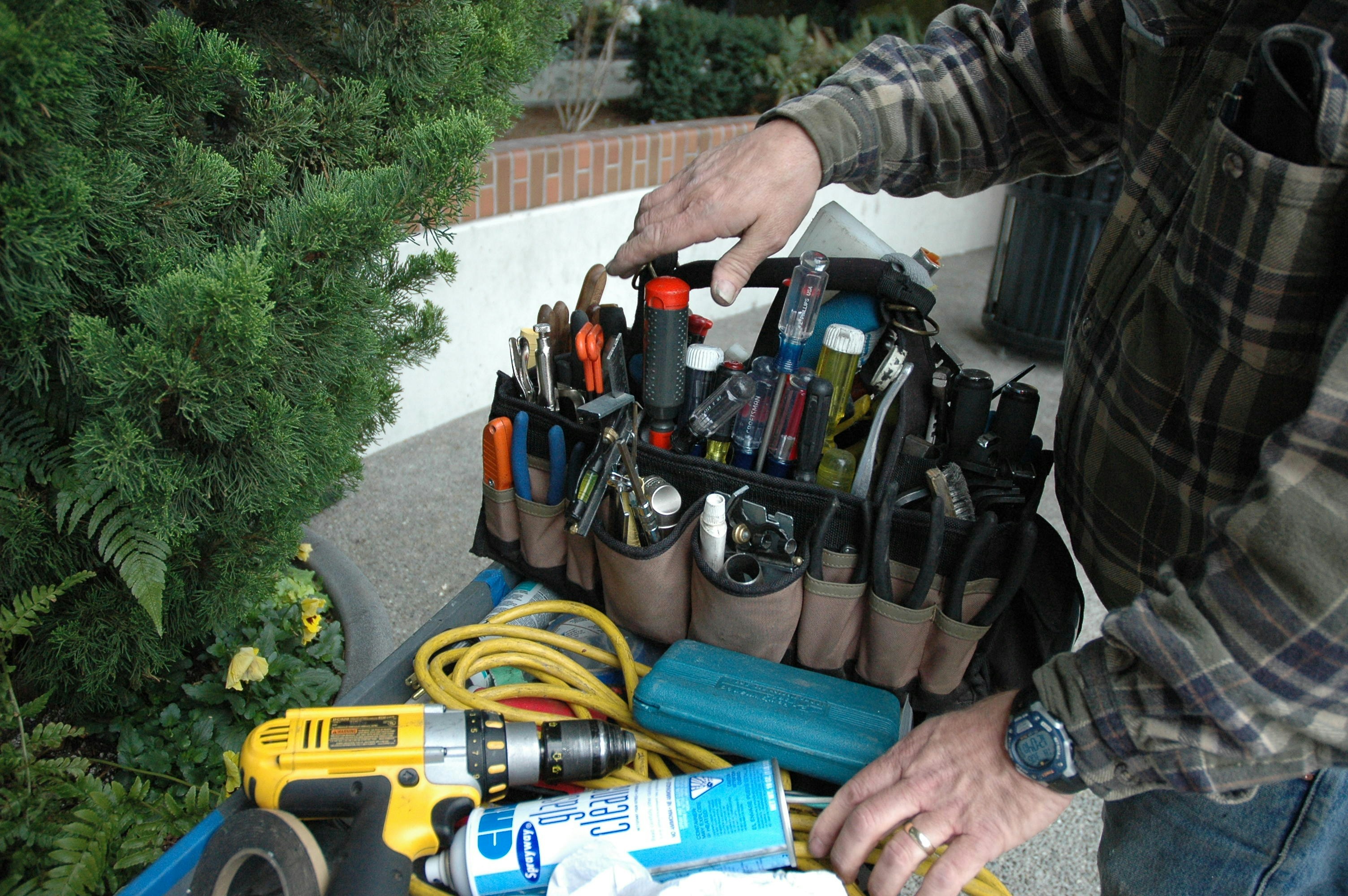
Basic equipment includes a utility knife, measuring tape, compatible vapor-barrier seam tape, and fasteners suited to the foundation surface. A headlamp or work light, durable gloves, eye protection, knee protection, and clothing that can tolerate dirt and insulation fibers are also important. A properly rated respirator may be appropriate when dust or irritating particles are present, but protective equipment does not make an unsafe environment suitable for entry.
At a high level, begin by removing or managing loose debris and checking for active water intrusion. Do not cover leaks, standing water, damaged wood, or other conditions that require correction. Measure and cut the sheets, position them with overlapping seams, and tape those seams continuously. Where appropriate, extend the material up foundation walls and around piers, securing it without puncturing it unnecessarily. Keep access to inspections, plumbing, electrical components, and drainage features in mind.
Do not enter a contaminated, mold-heavy, flooded, or structurally unsafe crawlspace. Avoid disturbing suspected asbestos or damaged insulation; consult a qualified professional instead. A loose sheet across the floor is a limited soil-moisture measure, not complete crawlspace encapsulation. It will not automatically seal vents, stop air leakage, insulate foundation walls, control humidity, or resolve grading, drainage, or plumbing problems. If moisture persists, the barrier should be treated as an interim measure while the underlying source is evaluated.
A full professional crawlspace encapsulation typically costs $2,500–$6,000 in 2026 for an approximately 1,000-square-foot space. The higher price reflects more than laying plastic on the ground: contractors address moisture, air leakage, insulation, drainage, and access conditions as one system. Difficult entry, extensive cleaning, standing water, structural repairs, large foundation-wall areas, sump-pump installation, dehumidification, or insulation removal can increase the estimate.
A detailed proposal may include preparation and debris removal; a durable vapor barrier; sealed seams, edges, and penetrations; vent and access-door sealing; foundation-wall air sealing; rigid foam-board insulation; humidity control; and drainage improvements. Optional monitoring or maintenance plans may also be offered. Rigid foam board commonly costs about $0.50–$1.10 per square foot before labor and related installation expenses. In many crawlspaces, insulating foundation walls is more effective than relying only on floor insulation because it helps bring the enclosed area inside the home’s thermal and air boundary, reducing drafts and temperature fluctuations.
Project duration varies with scope. A simple DIY vapor-barrier installation may take three to four hours in a dry, accessible crawlspace. A professional full encapsulation commonly requires one to two days, particularly when cleaning, sealing, insulation, or water management is necessary.
DIY work may be reasonable as a low-cost moisture-control measure when the space is dry, accessible, and free of major defects. Professional service is preferable when there is standing water, persistent dampness, mold, pest activity, poor ventilation, complex geometry, damaged insulation, health or safety concerns, or a need for a sealed and insulated system.
Before accepting an estimate, request written details on square footage, barrier thickness, wall coverage, seam treatment, vent sealing, insulation type and R-value, drainage, dehumidification, warranty, applicable permits, and exclusions. Potential energy savings, sometimes estimated at 15–20% for properly sealed crawlspaces, are not guaranteed. Evaluate comfort, moisture prevention, durability, and avoided repair costs alongside projected utility savings.
If you’re interested in purchasing the item you seek, please click the link for additional details: #americanachoice.
https://amzn.to/3SBN3Oy
AFFILIATE DISCLOSURE: I am an affiliate for this company, I am not a paid employee.
I may receive a commission if you click a link on this page and choose to purchase something.
You can rest assured I will only share things I believe in and will be valuable to you.