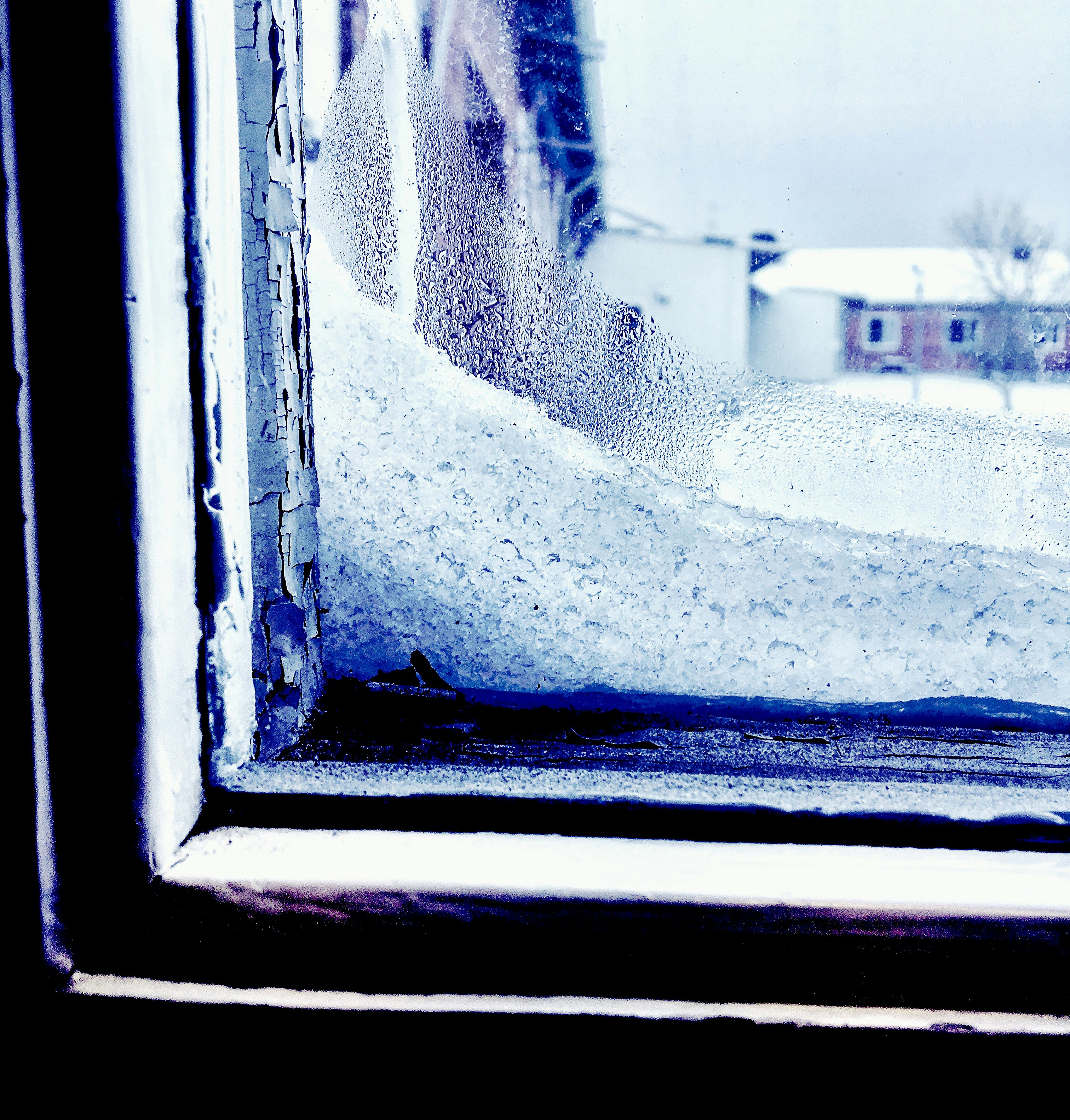
Windows and doors may account for roughly 25–30% of a home’s heating-energy loss when gaps, worn seals, single-pane glass, and inadequate coverings permit air leakage or radiant heat to escape. The most cost-effective response depends on identifying the actual failure point. A door-bottom gap requires a different remedy from a movable sash, a cracked perimeter seal, or cold glass. During fall, addressing the simplest leak first can improve comfort before larger improvements become necessary.
The lowest-cost option is a rolled towel, typically about $4, placed along a door threshold or window sill. It is temporary, requires no installation, and works from inside, but it must be repositioned and does not seal irregular gaps reliably. A reusable or purchased door draft snake generally costs $8–$18 and provides a neater, more durable interior solution for door bottoms. Rope caulk, priced at approximately $4–$8 per roll, is suited to stationary cracks around window sashes and frames. It can be installed quickly from indoors, removed seasonally, and replaced when it becomes brittle.
When the frame is intact but the glass feels cold, indoor shrink-film insulation kits offer a practical middle step. At about $18–$35 for a kit covering roughly five windows, the film creates a temporary insulating air layer and reduces drafts around the interior perimeter. Installation takes moderate effort with cleaning, tape, and a hair dryer, and removal is normally required in spring. The kit is less suitable for frequently opened windows or damaged frames.
DIY magnetic interior storm panels cost approximately $55–$120 per window. They provide a removable, reusable barrier and are installed from inside, making them useful for serviceable windows that remain cold after basic sealing. Professionally installed exterior storm windows cost about $180–$380 per window. They require greater investment and outside installation, but offer a more durable seasonal or long-term upgrade. A practical decision path is to seal obvious air leaks first, use film when the glass and frame are cold but sound, and consider storm windows when durability and sustained comfort justify the additional cost.
Before buying film, storm panels, or replacement windows, address the simplest air leaks. A rolled towel costs about $4 and can be placed against a door-bottom gap within minutes. It is useful as an immediate test: if the room feels warmer or the draft less noticeable, infiltration is contributing to discomfort. The towel is also a practical emergency measure, although it can shift, collect dirt, and interfere with opening the door.
An $8–$18 draft snake is generally more effective and reusable. Measure the door slab, not just the visible opening, and choose a snake at least as long as the door width. A weighted model is less likely to move, but it should remain light enough that the door opens without dragging or binding. Position it so it seals the threshold without extending into the walking path. Check that it does not create a tripping hazard or prevent the door from closing fully.
For windows, rope caulk typically costs about $4–$8 per roll. Apply it around removable sashes and at stationary frame joints where gaps or daylight are visible. Clean and dry the surfaces first, then press the pliable caulk firmly into the joint without covering drainage paths or hardware. In spring, peel it away slowly at room temperature; properly applied removable caulk should come off without damaging sound paint.
A seasonal window-preparation routine can be completed with an Americana Choice window prep kit or comparable supplies. Inspect weatherstripping, clean and dry the frame, look for daylight, and test suspicious areas with a hand or smoke pencil. Apply removable caulk, then label windows needing weatherstripping or frame repairs. Allow roughly five minutes for one door or small window and up to an hour for a careful inspection and treatment of several openings.
These measures mainly stop air infiltration; they do not insulate the glass itself. Results therefore depend on wind exposure, gap size, and the home’s existing condition. Use rope caulk or a draft snake when localized leaks are the problem. Choose interior film or a storm panel when larger glass areas remain cold, draft-free sealing is insufficient, or added insulation is needed.
Indoor shrink film is the least expensive seasonal option. A typical kit costs $18–$35 for approximately five windows and takes about 30 minutes for the full project. Clean and dry each frame, apply double-sided tape, press the film into place, stretch it with a hair dryer, trim excess material, and seal the edges carefully. In suitable applications, film can block drafts and reduce heat loss by roughly 35–45%, with illustrative planning savings of about $15–$25 per window per heating season. Actual results depend on window type, climate, air leakage, and installation quality. The material is discreet from a distance but disposable, difficult to reuse, and only partly reversible because tape may affect painted or delicate frames.
DIY magnetic interior storm panels generally cost $55–$120 per window. Their removable magnetic mounting makes them more reusable and visually effective than disposable film, while still allowing seasonal removal. Accurate measurements are essential, and the window frame must be reasonably flat for a reliable seal. Installation typically takes several hours to a full day for multiple panels. These panels suit renters who want a cleaner upgrade, single-pane windows, and rooms where appearance matters, provided the frames can accept the magnetic system.
Professionally installed exterior storm windows cost approximately $180–$380 per window. They provide stronger weather protection, a more finished appearance, improved durability, and better long-term resistance to seasonal exposure, but installation takes longer—potentially a full day or more for the project. A practical planning range is $30–$60 in savings per window per heating season; this is illustrative, not a performance guarantee.
A draft snake takes roughly five minutes, while rope caulk requires about five minutes per window and can help with irregular openings or temporary renter-friendly repairs. Film is useful for straightforward, condensation-controlled windows, but condensation-prone rooms require ventilation and monitoring. Historic homes may favor reversible interior panels or carefully fitted film to protect original frames. Storm windows are preferable where stronger protection and durability are priorities. None of these measures repairs a failing window: rotting frames, failed seals, persistent moisture, or damaged glazing should be evaluated before adding an insulating layer.
A whole-home comparison should begin with the number of openings, the condition of each one, and whether the work is DIY or professionally installed. Use these formulas: total project cost = (number of openings × per-opening cost) + tools or labor; estimated seasonal savings = number of treated windows × applicable savings estimate; simple payback = total project cost ÷ annual savings. These figures are planning estimates, not guarantees, because weather, fuel prices, window condition, and occupant behavior affect results.
For example, a home with one drafty exterior door and five leaky windows might spend about $4–$18 on a draft snake, $4–$8 on rope caulk, and $18–$35 on a shrink-film kit. That low-cost first-season intervention may deliver a rapid payback when air infiltration is severe. A stronger middle option could combine door sealing, caulk, and five DIY magnetic panels, creating a material budget of roughly $300–$700, depending on panel prices and window count. A premium approach using five professionally installed storm windows might cost approximately $900–$1,900. At an illustrative $30–$60 per treated window, seasonal window savings could total about $150–$300 before accounting for comfort, reduced drafts, appearance, and durability.
The least expensive project often pays back fastest because it addresses the largest leaks with minimal investment. Storm windows may nevertheless suit long-term owners, very cold rooms, single-pane glazing, or households prioritizing consistent comfort and a finished appearance. Reusable magnetic panels can provide a practical middle ground between temporary film and permanent installation.
Ranked by typical value, seal doors and obvious gaps first; add rope caulk where seasonal removability matters; use shrink film for the lowest-cost multi-window improvement; choose magnetic panels for a reusable DIY upgrade; and select professionally installed exterior storms when budget, durability, and whole-home performance justify the investment.
Before and after installation, maintain ventilation, monitor condensation, use ladders safely, preserve emergency exits, and avoid sealing moisture inside frames. Reassess every treated opening each spring for loosened materials, trapped moisture, damaged seals, and changing comfort needs.
If you’re interested in purchasing the item you seek, please click the link for additional details: #americanachoice.
https://amzn.to/3SBN3Oy
AFFILIATE DISCLOSURE: I am an affiliate for this company, I am not a paid employee.
I may receive a commission if you click a link on this page and choose to purchase something.
You can rest assured I will only share things I believe in and will be valuable to you.