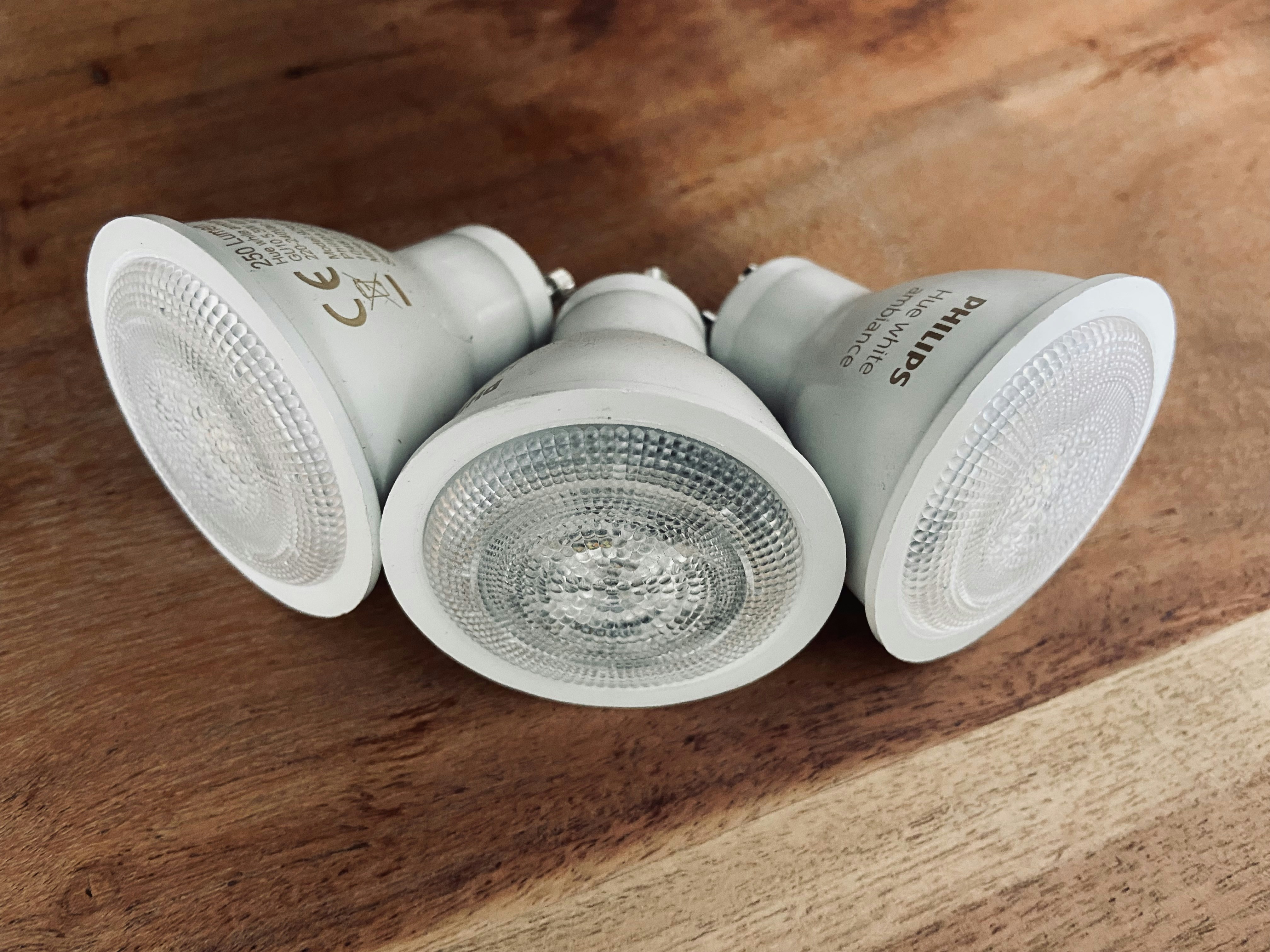
Introduction to LED Bulbs
Light Emitting Diodes (LEDs) represent a significant technological advancement in the lighting industry. Unlike traditional incandescent bulbs that operate by heating a filament to produce light, LEDs generate light through electroluminescence—a process where an electric current passes through a semiconductor material, emitting photons. This fundamental difference in operation contributes to the various advantages seen with LED bulbs, positioning them as a revolutionary alternative to conventional lighting solutions.
One of the primary benefits of LED bulbs is their energy efficiency. They consume significantly less power compared to incandescent and fluorescent bulbs. For instance, while a standard 60-watt incandescent bulb might only convert about 10% of its energy consumption into visible light, LED bulbs can convert over 90%, which leads to lower electricity bills and reduced carbon footprints. This efficiency is increasingly important in today’s environmentally-conscious society.
Longevity further enhances the appeal of LED lighting. LED bulbs typically last between 15,000 to 50,000 hours, far surpassing the lifespan of incandescent and even compact fluorescent lamps (CFLs), which average around 1,000 and 10,000 hours respectively. This extended life reduces the frequency of replacement, ultimately benefiting users both financially and practically.
Moreover, the versatility of LED technology has made it applicable across various contexts, from residential lighting to commercial applications. LEDs also offer a range of color temperatures and brightness levels, enabling tailored lighting solutions to meet diverse aesthetic and functional needs. With their growing presence in the market, LED bulbs have become a key player in green technology and energy conservation efforts.
Understanding the Differences: Philips, GE, Cree, and Feit Electric
When it comes to selecting LED bulbs, the choices can be overwhelming, particularly with leading brands such as Philips, GE, Cree, and Feit Electric competing for consumer attention. Each brand offers a range of options tailored to various needs, and understanding their unique characteristics can significantly enhance the lighting experience.
Philips is often recognized for its innovative design and technology. The brand’s LED bulbs come with multiple color temperature options, allowing users to choose between warm, cool, or daylight settings, which can create different atmospheres in a space. Additionally, Philips offers smart LED bulbs that integrate seamlessly with home automation systems, providing functionalities like remote control and voice-activated adjustments. A notable line is the Philips Hue, which is particularly popular among smart home enthusiasts for its extensive customization capabilities.
General Electric (GE) has carved a niche in the consumer market with its commitment to quality and energy efficiency. Their LED bulbs are designed to last longer and use significantly less power than traditional incandescent bulbs. GE also offers a selection of dimmable options, catering to those who appreciate adjustable lighting. Furthermore, the GE C-Sleep bulbs promote better sleep hygiene by adjusting color temperature according to the time of day.
Cree is well-known for its high-performance LED technology focused on delivering bright, durable lighting solutions. Their product range includes bulbs that provide exceptional brightness while maintaining energy efficiency. Cree’s LED offerings often feature instant-on capabilities, which is desirable for consumers looking for reliability without the warming-up period associated with some other brands.
Lastly, Feit Electric stands out with its commitment to affordability and variety. Their LED bulbs come in numerous designs, including decorative options for accent lighting. Feit Electric’s smart LED bulbs offer similar features to competitors, such as dimmability and remote operation, at a competitive price point. This approach enables budget-conscious consumers to access modern lighting technology without compromising quality.
Color Quality and Lifespan Analysis
When selecting LED bulbs, two primary factors significantly influence consumer choices: color quality and lifespan. The color rendering index (CRI) represents a bulb’s ability to accurately reproduce colors; thus, a higher CRI is preferable for enhancing home ambiance. Among the brands examined—Philips, GE, Cree, and Feit Electric—Philips tends to lead in CRI ratings, often exceeding 90, which provides vibrant, lifelike colors that rejuvenate living spaces. GE follows closely, with CRI values ranging from 80 to 90 in many of its product offerings.
In addition to CRI, the color temperature of the bulb plays a vital role in establishing the atmosphere within a room. Warm white light (around 2700K) is favored for cozy, intimate settings, while cool white (4000K and above) suits workspaces and areas requiring focus. Philips and Cree are notable for providing a broad spectrum of color temperatures, allowing consumers to choose options that perfectly align with their desired home environment.
Lifespan is yet another critical aspect of LED bulbs to consider. Typically, LED products boast extended lifespans compared to traditional incandescent bulbs, often lasting between 15,000 to 50,000 hours. Cree lights are generally viewed as among the most durable, with an average lifespan approaching 50,000 hours. Feit Electric, in contrast, while being a more budget-friendly option, often reflects a shorter lifespan, averaging around 25,000 hours. Consequently, while cheaper options can save money upfront, investing in higher-priced bulbs like those from Philips and Cree may lead to long-term cost savings due to their longevity and performance.
In conclusion, understanding the interplay between color quality and lifespan is essential for making informed choices when purchasing LED bulbs. The experience of an illuminated environment greatly depends on these factors, influencing overall satisfaction and usage in everyday life.
Cost vs. Performance: A Comprehensive Breakdown
When considering LED bulbs, the relationship between cost and performance is a key factor influencing consumer choices. Various brands, such as Philips, GE, Cree, and Feit Electric, offer different price points and efficiency levels that warrant thorough evaluation. The initial purchase price of an LED bulb often reflects its quality, longevity, and overall performance, making it crucial for consumers to understand what they are paying for.
Philips typically positions itself in the premium segment, with a reputation for high-quality, reliable products. Their LED bulbs often demonstrate superior performance characteristics, including improved lumen output and longer lifespans, which can justify their higher price tag. Meanwhile, GE tends to balance cost and performance, providing durable products that perform well but might not match the longevity of Philips in some cases.
Cree has gained popularity among budget-conscious consumers, offering competitive pricing without significant sacrifices in performance. Their bulbs often achieve energy savings comparable to those of higher-end brands, making them a viable option for those looking to reduce initial expenditures while still benefitting from LED technology. Lastly, Feit Electric markets its products at lower price points while prioritizing energy efficiency, appealing to cost-sensitive buyers.
Despite the lower upfront costs associated with brands like Cree and Feit Electric, the long-term savings associated with higher-priced options like Philips may be more beneficial. This is due to their longer lifespans and superior energy efficiency, resulting in reduced replacement rates and lower energy bills over time. Consumers should also consider factors such as warranty length and customer service, which may affect overall satisfaction.
In conclusion, while it may be tempting to opt for the cheapest option, investing in a slightly more expensive bulb can lead to greater efficiency and long-term savings. Therefore, those looking for quality and performance might consider Philips as a primary choice, while budget-conscious shoppers may find viable alternatives in Cree and Feit Electric, depending on their specific needs.
If you’re interested in purchasing the item you seek, please click the link for additional details: #americanachoice.
https://amzn.to/3SBN3Oy
AFFILIATE DISCLOSURE: I am an affiliate for this company, I am not a paid employee.
I may receive a commission if you click a link on this page and choose to purchase something.
You can rest assured I will only share things I believe in and will be valuable to you.