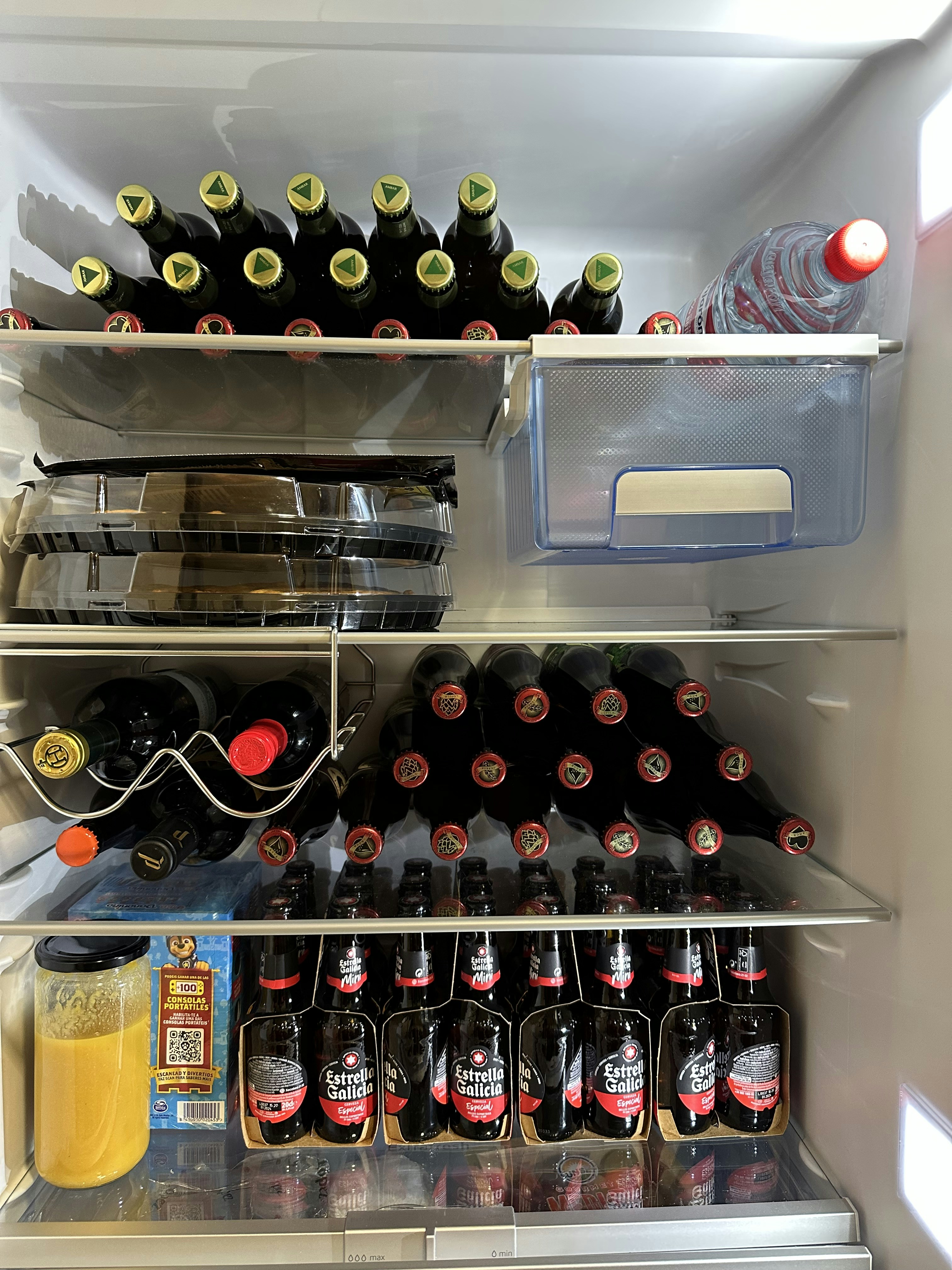
The Initial Purpose: Grocery Overflow
The garage refrigerator was originally acquired for a very practical reason: to handle grocery overflow. Many families or individuals encounter scenarios where kitchen space is insufficient to accommodate their food items, particularly during festive seasons or when purchasing in bulk. This need for additional storage has led to the increasing popularity of garage refrigerators, which serve as an effective solution to common storage dilemmas.
During holidays or special occasions, it is customary for families to stock up on various perishable goods, creating a surge in grocery demand. Therefore, it becomes essential to manage this influx of food items efficiently. A garage refrigerator not only provides extra space but also contributes to better organization of perishable and non-perishable items, facilitating easy access to frequently used ingredients without cluttering the main kitchen area.
The advantages of utilizing a garage refrigerator extend beyond mere overflow accommodation. It allows individuals to compartmentalize products—storing beverages, meats, and vegetables in designated areas enhances food preservation and reduces the risk of spoilage. For many, the garage refrigerator also becomes a secondary food storage unit, effectively managing food inventories and minimizing waste.
Moreover, having a dedicated refrigerator in the garage encourages bulk buying, which is advantageous from a financial perspective. Consumers can take advantage of sales and promotions, storing sufficient quantities of their preferred goods while reducing the frequency of grocery trips. Thus, the initial purpose of a garage refrigerator as a solution for grocery overflow has a profound impact on food storage practices, providing convenience and enhanced organization throughout the home.
The Shift: From Groceries to Drinks
Over the past few decades, the role of the garage refrigerator has undergone a notable transformation. Initially, it served a practical purpose: providing additional storage space for groceries that may not fit in the primary kitchen refrigerator. Families relied on this extra capacity to accommodate fresh produce, meats, and dairy products, particularly during large grocery shopping trips. However, a subtle shift began to emerge as lifestyles evolved and consumer preferences changed.
The surge in popularity of craft beers, artisanal sodas, and a variety of flavored beverages has significantly influenced how homeowners utilize their garage refrigeration units. This evolution can be attributed to a growing emphasis on social gatherings, outdoor activities, and the desire for convenient access to cold drinks. As families began hosting more barbecues, parties, and backyard events, the garage refrigerator gradually transformed into a designated beverage hub, catering to a wider array of drinks.
For instance, a typical family might now store cases of craft beer, sparkling water, and a selection of soft drinks in their garage refrigerator, which offers quick and easy refreshment options. This shift reflects broader cultural trends, where the enjoyment of beverages has become integral to social experiences. Anecdotal evidence suggests that families often choose to expand their beverage selections over their grocery staples in garage refrigerators, illustrating a preference for convenience and variety.
This transition highlights not only changing consumer habits but also the evolving role of the garage refrigerator itself. As homes become more focused on leisure and entertainment, the garage refrigerator is poised to continue its journey from a mere grocery overflow to a central component in beverage enjoyment. The strong interest in diverse drink options signifies a larger societal trend that values convenience, relaxation, and socialization in everyday life.
The Mystery Tupperware: The Forgotten Essentials
One common feature of garage refrigerators is the presence of mystery Tupperware containers. These vessels often hold remnants of meals long past, forgotten amid the clutter and chaos that can accumulate in these secondary refrigeration spaces. The phenomenon typically arises when leftover food finds its way into an often-overlooked corner of the garage fridge, only to be forgotten until it has transformed into a science experiment. Condiments that were opened and set aside also contribute to this haphazard inventory, leading to an amusing yet bewildering assortment of expired items.
Over time, garage refrigerators can become a graveyard of outdated food items. The collection may include an assortment of dressings, jars of pickles, and unidentifiable items hidden behind more commonly used beverages. As refrigerators serve as a temporary storage solution, there exists a chance that these containers will linger well beyond their intended purpose, culminating into a comedic inventory that would baffle even the most seasoned culinary critic.
To combat this, regular auditing of the contents of a garage refrigerator is essential. It is recommended to schedule periodic cleanings—ideally, once every three months—to ensure that expired products are discarded, and the essentials are organized. Utilizing clear, labeled containers can simplify this process and help individuals quickly identify what they have on hand, thus reducing food waste.
Implementing a ‘one in, one out’ policy can also help manage what is ultimately stored in the garage fridge. By adopting these simple yet effective habits, one can prevent the mystery Tupperware dilemma, making the garage refrigerator a practical space rather than a comedic relic of neglect.
What’s Next? Predictions for 2026
The future of garage refrigerators appears poised for significant transformation by the year 2026. As technology advances at a rapid pace, garage refrigerators will likely evolve to become smarter and more efficient. With the rise of smart home devices, it is anticipated that garage refrigerators will integrate advanced features such as Wi-Fi connectivity, touchscreens, and intelligent inventory management systems. These innovations will allow users to monitor contents remotely, receive alerts when supplies dwindle, and even create shopping lists based on what is stored inside.
In parallel to technological advancement, we can expect a shift toward more energy-efficient models, which will be designed to minimize environmental impact. As awareness of climate change grows, consumers are increasingly seeking appliances that align with sustainable practices. The garage refrigerator of 2026 may showcase enhanced insulation, eco-friendly refrigerants, and energy-saving modes that adjust performance based on usage patterns. This implies a promising trend towards reducing the carbon footprint associated with food storage and beverage chilling.
Moreover, evolving consumer preferences regarding food and beverage consumption will influence how garage refrigerators are utilized. Trends such as plant-based diets and meal prepping are gaining traction, prompting families to rethink their storage needs. As family dynamics change, with more people opting for flexible living arrangements, the role of the garage refrigerator could shift to accommodate a wider array of items beyond beverages—such as fresh produce, meal kits, and even kitchen staples.
With these predictions, individuals can begin to contemplate how to repurpose or upgrade their existing garage refrigerator systems. By assessing their storage requirements and identifying potential technological enhancements, readers can make informed choices that align with their lifestyle choices and family dynamics. This forward-thinking approach will help them maximize their garage space effectively, ensuring it meets the needs of 2026 and beyond.
If you’re interested in purchasing the item you seek, please click the link for additional details: #americanachoice.
https://amzn.to/3SBN3Oy
AFFILIATE DISCLOSURE: I am an affiliate for this company, I am not a paid employee.
I may receive a commission if you click a link on this page and choose to purchase something.
You can rest assured I will only share things I believe in and will be valuable to you.