The Spring Celebration: New Beginnings with Outdoor Furniture
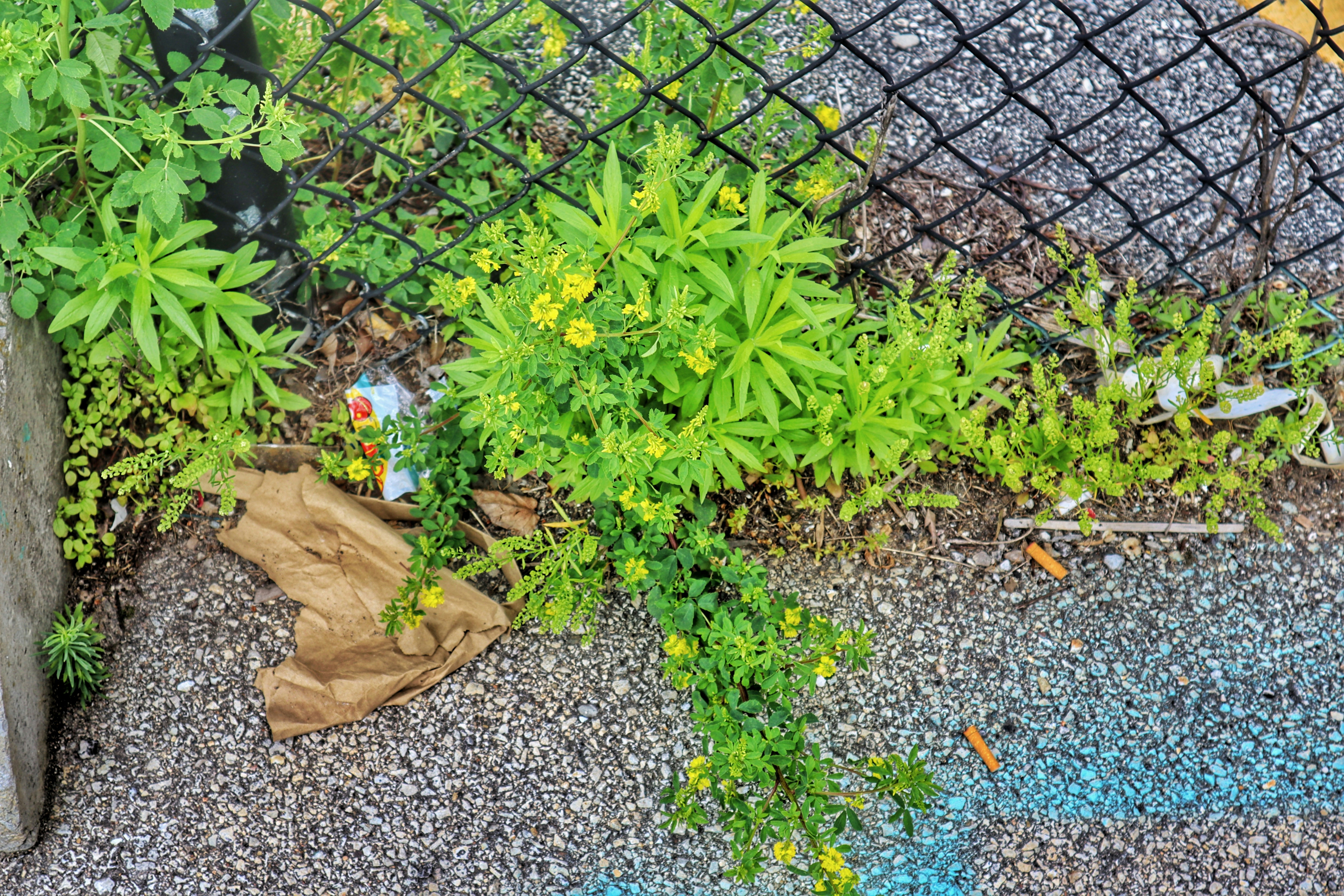
The arrival of spring often brings a sense of renewal and excitement, particularly when it comes to outdoor living spaces. As the weather warms and flowers begin to bloom, many homeowners eagerly anticipate the chance to invest in new outdoor furniture. This season represents a fresh start, encouraging individuals to enhance their outdoor environments with stylish and functional pieces that reflect their personal design aesthetics.
One of the primary motivations for purchasing new outdoor sets is the desire to create an inviting atmosphere for social gatherings. Longer days and milder temperatures mean that families and friends can spend more time outdoors, dining al fresco or enjoying a cozy fire pit. Investing in quality outdoor furniture promotes not only comfort but also a vibrant space where memories can be made all season long.
In recent years, the market has seen an impressive array of designs and materials becoming available for outdoor furniture. Innovative manufacturers are increasingly focusing on weather-resistant finishes that withstand the elements, allowing homeowners to enjoy their purchases for many seasons without significant wear and tear. Cushions made from high-performance fabrics are not only durable but also softer and more inviting, enhancing the overall experience of outdoor leisure.
As consumers embark on their spring shopping, they often find themselves attracted to contemporary designs that complement their existing outdoor decor. From sleek metal frames to classic wicker, the range of options available ensures that every taste is catered to. By selecting pieces that harmoniously blend with their property’s aesthetic, homeowners can establish a picturesque setting that embodies tranquility and style.
The Summer Struggles: Weathering the Elements
During the summer months, outdoor furniture faces a series of challenges that often lead to its deterioration. Intense heat and direct sunlight can drain the vibrancy from colors, leaving once-bright chairs and tables faded and worn. This issue is particularly prevalent in lighter-colored materials, which show signs of sun damage more readily than darker hues. To add to the challenge, exposure to rain can exacerbate the situation, causing water to accumulate and lead to wood warping or metal rusting, compromising structural integrity and aesthetics.
The contrast between cherished summer gatherings and the inevitable decay of furniture can evoke a poignant nostalgia. Family barbecues and evening gatherings under the stars may become overshadowed by the stark reality of increasingly dilapidated outdoor furnishings. Metal furniture pieces, for instance, may develop rust spots after months of exposure to moisture, while wooden items can crack or warp due to fluctuating humidity levels. These effects not only ruin the appearance of the furniture but can also render them unsafe for use.
To mitigate these summer struggles, it’s crucial to adopt proactive maintenance strategies. Regularly applying protective coatings, using covers when the furniture is not in use, and choosing furniture materials that are inherently resistant to fading and rusting can significantly extend the lifespan of outdoor pieces. By implementing these measures, homeowners can maintain the balance between enjoying summer leisure and preserving the beauty and functionality of their outdoor furniture. Ultimately, while the joy of summer is undeniable, addressing its wear and tear becomes essential to prolonging the life of these beloved furniture pieces.
The Fall Decline: Signs of Wear and Tear
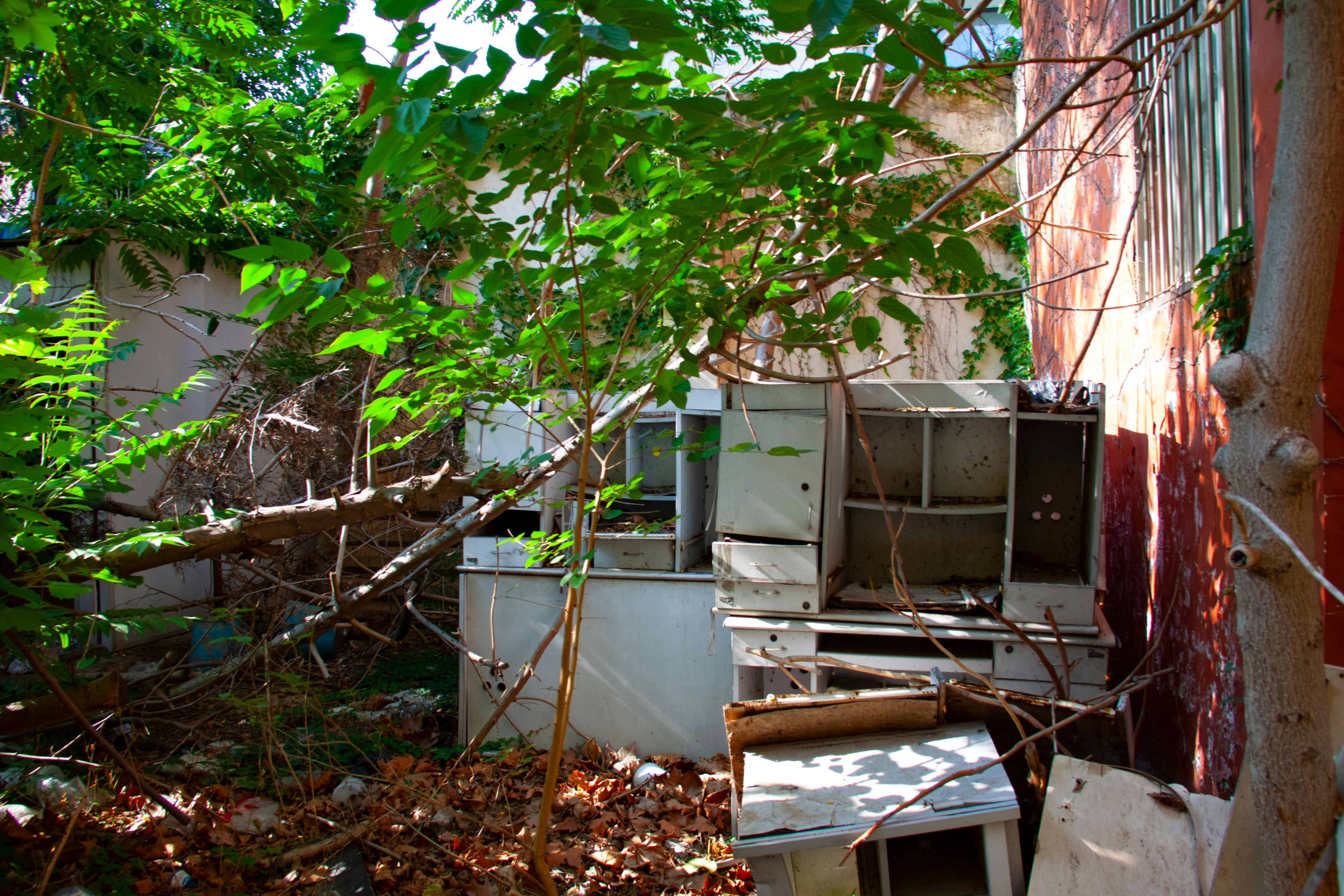
As the warm summer months give way to the cooler temperatures of fall, outdoor furniture begins to show visible signs of aging. This transition can evoke a sense of nostalgia for the vibrant gatherings and enjoyable evenings spent in nature, but it also marks the beginning of a decline for many outdoor setups. Common indicators include peeling paint, which can diminish the aesthetic appeal of once-pristine furniture. This deterioration not only serves as an eye-sore but can expose the underlying materials to further damage.
Wobbly legs are another prevalent issue that can arise as outdoor furniture enters its fall decline. Changes in temperature and humidity can affect the stability of wooden structures, leading to joints that loosen and pose safety hazards. This instability can be frustrating for owners who have dedicated considerable time and resources to curate their outdoor environment.
Furthermore, fabric coverings on outdoor cushions can begin to fray and fade under the wear of seasonal changes. These textiles, designed to withstand the elements, are not immune to the effects of moisture and dirt accumulation. Owners may find themselves confronted with frayed edges and discolored surfaces that detract from the overall charm of their outdoor space.
Addressing these signs of wear and tear requires timely maintenance actions—such as repainting surfaces, tightening screws, and cleaning fabrics—that are essential for prolonging the life of outdoor furniture. Many owners feel an emotional connection to their outdoor setups, having invested significant effort into creating inviting spaces for relaxation and socializing. Recognizing the importance of preventive care can help mitigate the impact of fall’s waning warmth, ensuring that treasured furniture remains a source of joy rather than despair.
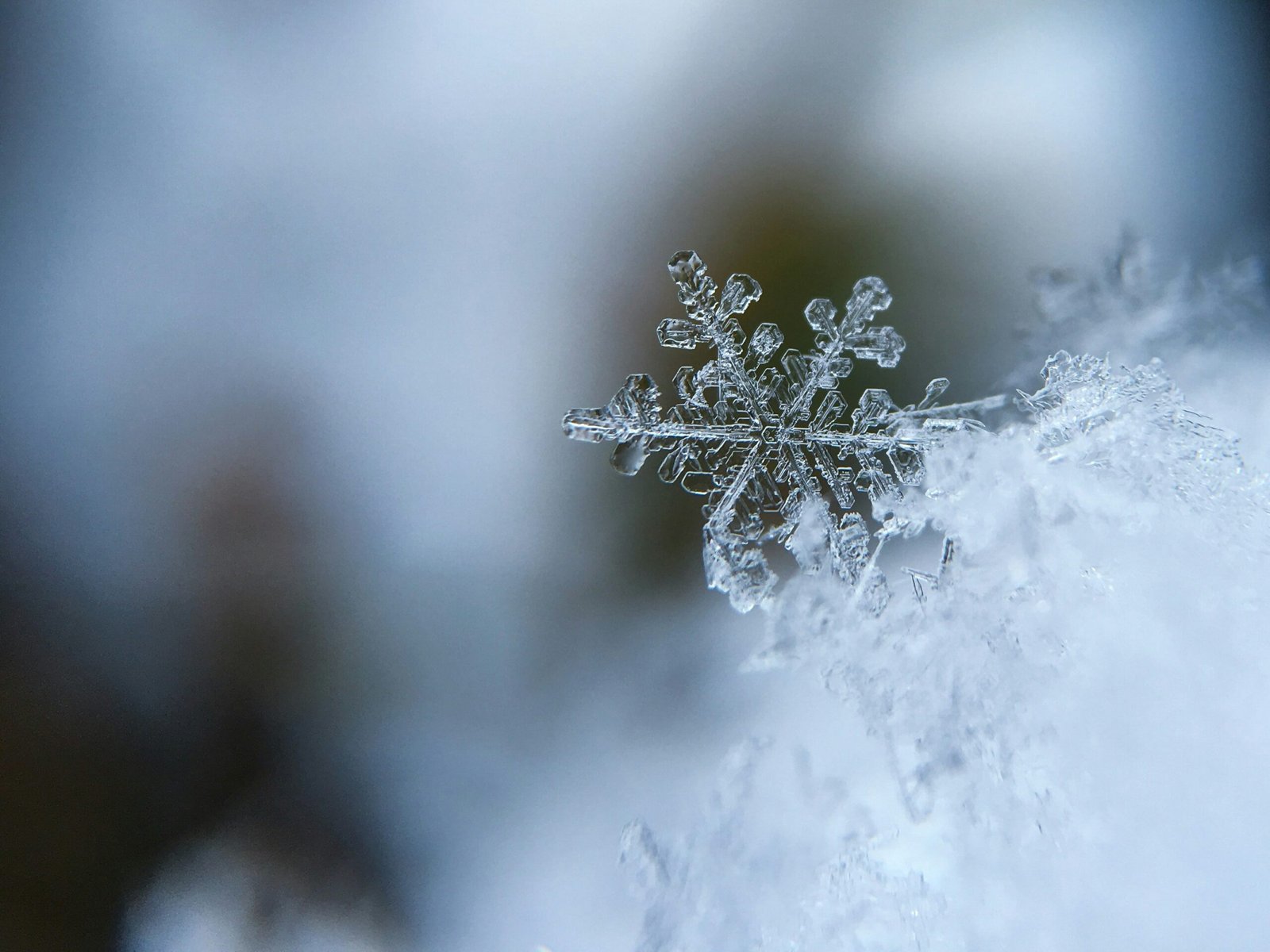
The Winter Wrapping: The Final Resting Place
As the seasons shift and winter approaches, outdoor furniture embarks on its somber transition into hibernation. During this pivotal time, various measures are taken to ensure that these pieces are prepared for the harsh conditions that winter brings. The act of wrapping or storing outdoor furniture often evokes feelings of nostalgia, as it symbolizes the end of a season filled with laughter and gatherings. It is a moment to reflect on the memories made while lounging in the warm sun or hosting barbecues with friends and family.
The winter preparation process typically involves cleaning the furniture to prevent mildew or damage, followed by the application of protective covers, or in some cases, moving items into storage to shield them from the elements. These steps are essential in prolonging the life of outdoor furniture, yet the ritual often leaves spaces feeling empty and desolate. The once vibrant and lively area, brimming with furniture and activity, now lies vulnerable and bare, fostering a sense of loss for many owners. The emotional impact of this transition can lead to contemplation regarding the overall lifecycle of outdoor furniture.
As the seasons change, homeowners are frequently faced with choices about repairing, replacing, or recycling their outdoor furniture. This decision-making process potentially serves as an opportunity for sustainable practices, calling for a more conscientious approach to how we treat our belongings. Each piece tells a story, and it is important to consider whether to invest in its revival or to allow it to be retired. Ultimately, the winter months provide a critical reflection point, bridging past memories with future possibilities for conservation of our beloved outdoor furniture.
If you’re interested in purchasing the item you seek, please click the link for additional details: #americanachoice.
https://amzn.to/3SBN3Oy
AFFILIATE DISCLOSURE: I am an affiliate for this company, I am not a paid employee.
I may receive a commission if you click a link on this page and choose to purchase something.
You can rest assured I will only share things I believe in and will be valuable to you.