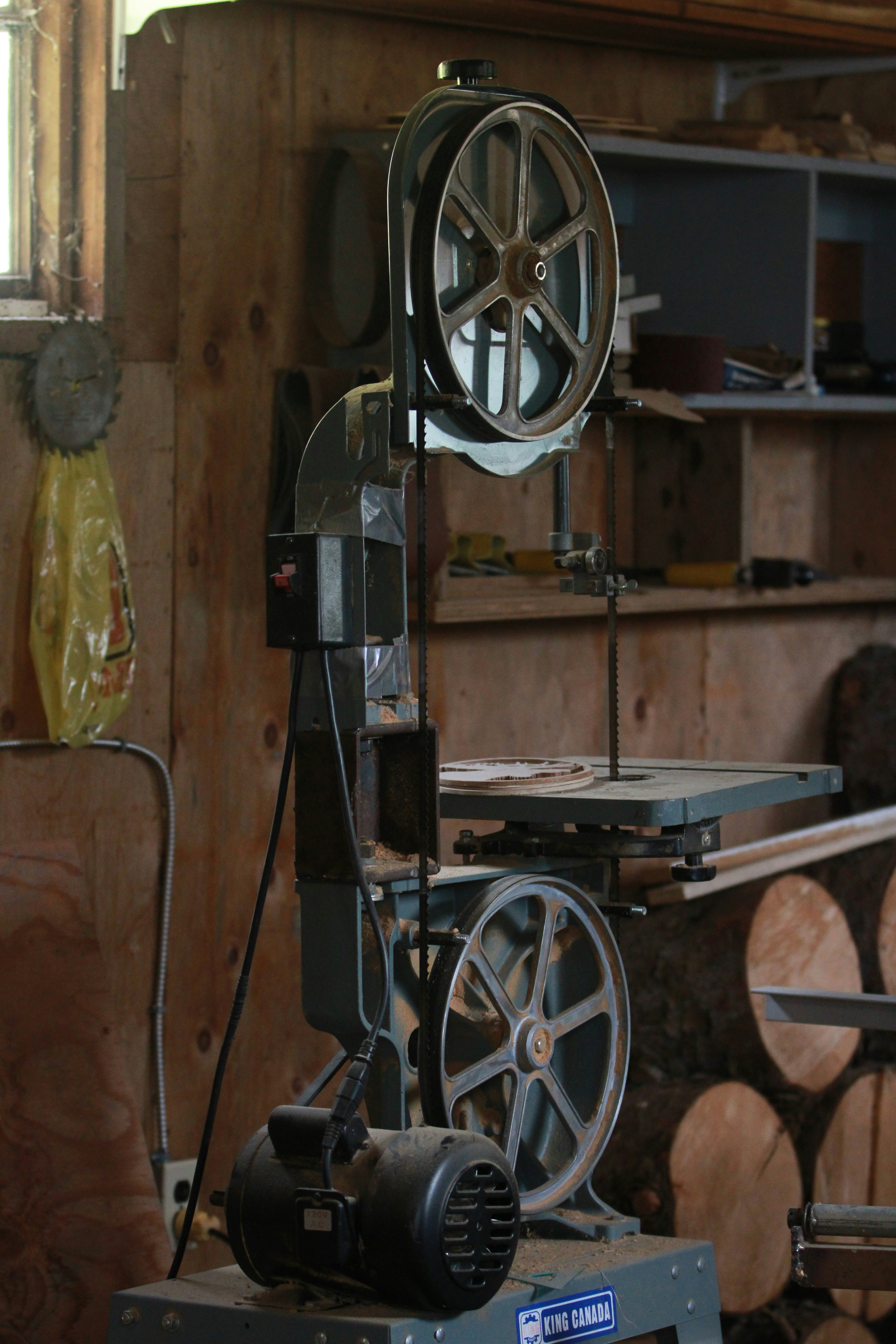
Introduction to Routers in Woodworking
Routers are essential tools in woodworking, celebrated for their versatility and precision. They are primarily used to hollow out an area in a relatively hard material, such as wood. This capability makes them invaluable for creating various designs, including edge profiles, dados, and mortises. The router stands out as a tool that can take a simple piece of wood and transform it into a finely crafted project.
One of the key functions of routers is their ability to shape edges. This involves cutting decorative patterns along the edge of wood pieces, which can add aesthetic value to furniture and cabinetry. Various bit shapes are available, allowing woodworkers to achieve intricate designs and finishes that enhance the overall look of the project. The ability to swap out bits makes routers incredibly adaptable to different tasks, whether shaping a simple edge or performing detailed inlays.
Moreover, routers can be used for making dados and grooves, which are essential for joining pieces of wood together in a strong, seamless manner. A dado is a notch cut into a piece of wood, allowing for more secure fittings of shelves and other components. Additionally, routers can create mortises, which are essential for joinery and creating strong connections between two pieces of wood. The versatility of routers extends to their adjustments, enabling users to set the depth of cut with remarkable precision.
In summarizing their value, routers play a pivotal role in woodworking, facilitating detailed work and allowing for creative expression. With various brands offering unique features, understanding the functionalities and performance of routers becomes crucial for any woodworker aiming to enhance their craft. This lays the groundwork for a detailed comparison of leading router brands, including Bosch, DeWalt, Porter-Cable, and Makita, which are pivotal in the woodworking industry.
Brand Overview: Bosch, Dewalt, Porter-Cable, and Makita
The woodworking tool industry has a variety of notable brands, each with its unique history and reputation. Bosch, founded in 1886 in Germany, has established itself as a leader in power tools, including routers. This company is recognized for its innovative technologies and commitment to quality, making it a preferred choice for both professionals and DIY enthusiasts. Bosch routers are often lauded for their precision and durability, catering to a wide range of woodworking applications.
Dewalt, an American manufacturing brand, was created in 1924 and has since become synonymous with power tools renowned for their ruggedness and performance. Known for its yellow and black color scheme, Dewalt specializes in tools that withstand heavy use, thus appealing to contractors and serious woodworkers alike. Their routers are designed to enhance efficiency and reliability, complemented by a vast network of accessories that augment functionality.
Porter-Cable, another iconic American brand, was founded in 1906 and holds a prominent place in the power tool market. Initially known for its high-quality woodworking tools, Porter-Cable has shifted focus over the years yet remains committed to innovation. The brand is particularly recognized for its user-friendly designs and performance standards in routers, making them a staple for both hobbyists and professionals looking for dependable tools.
Makita, a Japanese brand that originated in 1915, is revered for its cutting-edge technology and ergonomic designs. Initially a manufacturer of electric motors, Makita has broadened its offerings to include a comprehensive range of power tools. Its routers stand out in the market for their design efficiency and performance reliability, ensuring precision in woodworking tasks. As a result, Makita appeals to a global audience seeking high-quality tools.
Comparison of Features and Performance
When evaluating routers for woodworking, a systematic comparison of features and performance is paramount. Each brand under consideration—Bosch, DeWalt, Porter-Cable, and Makita—offers distinct characteristics that cater to varying requirements of woodworkers. One key aspect to scrutinize is the type of base: whether fixed-base or plunge-base routers are more suitable for specific tasks. Fixed-base routers tend to provide stability for edge profiling and surface work, while plunge-base routers excel in making deeper cuts and intricate designs.
Power output is another critical metric to consider. Bosch routers are known for their robust power capabilities, often exceeding 2.5 HP, making them formidable in handling diverse materials. DeWalt routers also offer impressive power, generally around 2.25 HP, facilitating smooth and efficient operation. In contrast, Porter-Cable’s options are reliable with slightly lower power but are highly regarded for consistent performance. Makita routers round out this comparison, featuring models with variable speed settings that offer flexibility for different woodworking applications.
Revolutions per minute (RPM) can significantly affect the quality of cuts. Typically, higher RPMs allow for cleaner cuts in finer materials, making this an essential factor. Bosch routers often reach up to 25,000 RPM, providing excellent speed for various tasks, whereas DeWalt closely follows with similar capabilities. In terms of dust collection features, Bosch routers excel with integrated systems that enhance user visibility and reduce cleanup time. Ease of use and user-friendliness are crucial considerations, especially for novice woodworkers. Each brand addresses this attribute through intuitive designs, ergonomic handles, and readily accessible controls, ensuring both comfort and control during operation.
Finally, precision and stability are critical for achieving high-quality results. When choosing a router, features such as micro-fine depth adjustments and smooth plunge mechanisms significantly impact the woodworking experience. Evaluating these specific features allows woodworkers to make an informed decision tailored to their particular needs and preferences.
Price Analysis and Recommendations
When considering the purchase of a router for woodworking, price is a significant factor that influences the decision-making process. Bosch, DeWalt, Porter-Cable, and Makita all offer a range of routers that cater to different budget categories. Analyzing their price points offers valuable insight into the value for money provided by each brand, especially in terms of features, build quality, and performance.
Bosch routers typically fall within the mid-range price segment. Models such as the Bosch 1617EVSPK provide excellent power and versatility, making them suitable for a variety of woodworking tasks while still being reasonably priced. This makes Bosch a great option for woodworkers who desire a reliable router without breaking the bank.
DeWalt, on the other hand, tends to offer routers that command a slightly higher price due to their robust construction and advanced features. The DeWalt DWP611PK, for example, is well-regarded for its precision and ease of use; thus, it is a wise choice for serious woodworkers who require longevity and performance from their tools.
Porter-Cable is known for providing cost-effective solutions, especially suitable for amateur woodworkers or those who are just starting their journey in woodworking. The Porter-Cable 450PK offers essential features at a competitive price, making it an attractive option for beginners.
Makita routers are generally priced toward the higher end of the spectrum but often justify this with superior build quality and features. Models like the Makita RT0701C are recognized for their power and versatility, making them an excellent investment for professionals or enthusiasts willing to pay a premium for durability and performance.
In conclusion, selecting the right router involves understanding not just the initial purchase price but also the long-term value it provides. For those on a tight budget, Porter-Cable and Bosch offer practical choices, while DeWalt and Makita serve as premium options that cater to serious woodworking needs. Evaluating the features in relation to your budget will ensure you make an informed decision that aligns with your woodworking aspirations.
If you’re interested in purchasing the item you seek, please click the link for additional details: #americanachoice.
https://amzn.to/3SBN3Oy
AFFILIATE DISCLOSURE: I am an affiliate for this company, I am not a paid employee.
I may receive a commission if you click a link on this page and choose to purchase something.
You can rest assured I will only share things I believe in and will be valuable to you.