The Surprising Truth: What Buyers Really Notice
When it comes to home viewings, the elements that draw potential buyers’ attention can be quite unexpected. While many may assume that buyers primarily focus on large-scale renovations like new countertops or updated appliances, the reality is that minor details often hold significant sway over their overall impressions. This section explores the subtle aspects that can either captivate or repel buyers during their search for a new home.
One of the most pivotal factors is cleanliness, particularly in areas that might not typically receive much thought. Buyers frequently notice the cleanliness of corners, where dust and dirt can accumulate unnoticed. A house that is clean and tidy, down to the smallest details, conveys a sense of care and maintenance. This attention to detail can create a lasting first impression, which is crucial in a competitive housing market.
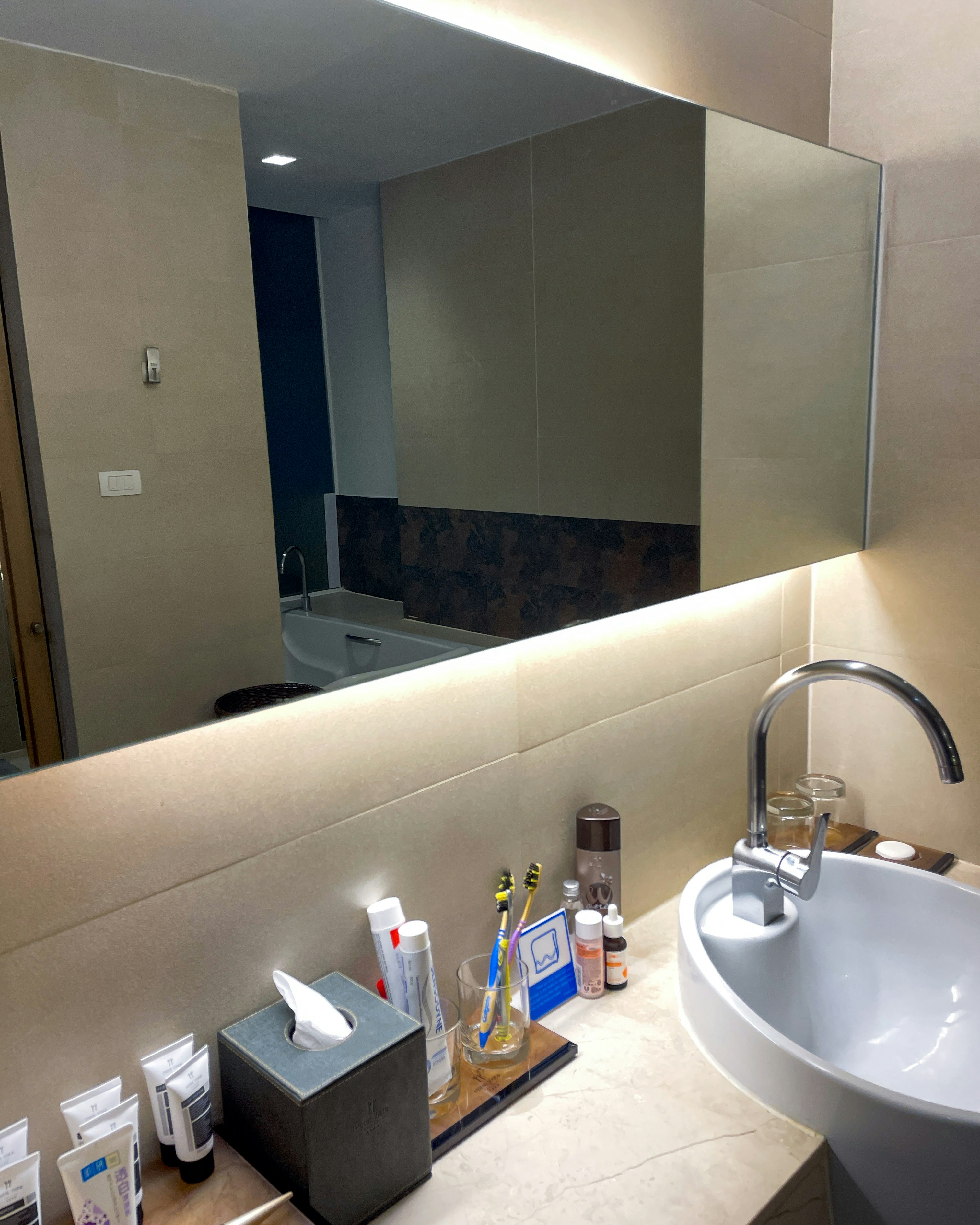
Furthermore, aspects such as the caulking in bathrooms can significantly influence buyers’ perceptions. Worn or discolored caulking can suggest neglect or a lack of upkeep. On the other hand, fresh and well-maintained caulking indicates that the home has been cared for, enhancing its appeal. Observations from real-life home staging experiences suggest that buyers often subconsciously evaluate these details, impacting their emotional connection to the property.
In addition, the overall tidiness of the space plays a crucial role. Clutter can distract from a home’s features, making rooms feel smaller and less inviting. Simple organizational tactics and strategic depersonalization can create a more appealing ambiance. By focusing on these often-overlooked elements, sellers can enhance their home’s perceived value and significantly influence buyer reactions.
Common Seller Obsessions vs. Buyer Priorities
When it comes to preparing a home for sale, it is common for sellers to focus on aspects that they believe will impress buyers. Often, sellers obsess over costly renovations and trendy designs that they think elevate their home’s appeal. However, these priorities do not always align with what buyers are genuinely interested in, leading to a disconnect that can affect the sales process.
Sellers often invest in major upgrades, such as a brand-new kitchen or high-end bathroom fixtures, with the belief that these changes will significantly increase buyer interest and yield a higher sale price. Unfortunately, the return on investment for such improvements can be minimal when compared to the preferences of potential buyers. For instance, while a gourmet kitchen may catch the eye of some, many buyers prioritize functionality and space over aesthetics. This often leads to frustration when substantial money is spent without a corresponding increase in buyer attention.
Moreover, many sellers are surprised to learn that buyers frequently value a clean, well-maintained property over flashy decor or trendy finishes. A fresh coat of paint in neutral hues and decluttered spaces might have a far more significant impact than the latest kitchen appliances. Anecdotal evidence suggests that buyers are often looking for homes that appear move-in ready, and excessive customization can actually deter them. For some, it becomes a challenge to envision themselves in a space that feels overly personalized or not aligned with their taste.
This misalignment between seller expectations and buyer priorities can lead to extended time on the market, as properties that are overly focused on cosmetic enhancements may fail to attract the attention sellers hoped for. Ultimately, understanding the buyers’ priorities can help sellers make more informed decisions and potentially streamline the selling process.
Small Fixes that Make a Big Difference
When preparing a property for sale, homeowners often overlook the powerful impact of small, manageable fixes. These enhancements can transform the appeal of a home without substantial financial investment. Simple updates such as fresh paint, re-caulking, and decluttering can significantly influence buyer perceptions and decisions.
One of the first and often most effective changes a seller can make is applying a coat of paint. This straightforward task not only brightens the space but also allows potential buyers to envision their style and personal touches. Neutral tones tend to work best as they create an inviting atmosphere that can attract a larger demographic. Additionally, these colors can make rooms feel more spacious and airy.
Another important task is re-caulking in areas like bathrooms and kitchens. Over time, caulk can deteriorate, appearing unsightly and giving an impression of neglect. By replacing old caulk, homeowners can improve aesthetics while ensuring functionality, particularly around sinks and tubs where water damage could be a concern. This small fix communicates to buyers that the home has been well maintained.
Furthermore, decluttering should not be underestimated. A tidy, organized space allows potential buyers to envision how their own belongings might fit. Homeowners can start by removing personal items, excess furniture, and decorative clutter. This not only makes the home look larger and more inviting but also places emphasis on its best features. Storage solutions or neatly organized spaces can greatly enhance the perceived value of a property.
In conclusion, implementing these small fixes can yield significant results. Homeowners should invest time and effort in these upgrades, as they may ultimately lead to quicker sales at better prices. Making a difference does not always require substantial resources—sometimes it’s the minor adjustments that count the most in real estate.
Behind the Scenes: The Home Staging Process Revealed
The home staging process is a meticulous blend of art and science, aimed at showcasing a property’s potential while evoking an emotional response from potential buyers. The first step in this journey involves conducting a comprehensive assessment of the property. This includes evaluating the architecture, layout, and overall aesthetic to determine the optimal approach for staging. A professional home stager must understand not just the property itself, but also the demographics and preferences of the target buyer.
Once an evaluation is complete, the stager curates a welcoming environment that resonates with buyers. This involves carefully selecting furniture, decor, and even the color palette to create an inviting atmosphere. Soft textures, neutral tones, and appropriate lighting can significantly enhance the home’s appeal and help potential buyers envision themselves living in the space. The goal is to highlight the property’s best features while minimizing any aspects that could detract from its allure.
Another vital consideration is the emotional impact of staging. Buyers often make decisions based on how a home feels rather than solely on its physical characteristics. Successful staging elicits feelings of comfort and belonging, making the property more memorable. Elements such as fresh flowers, strategically placed artwork, and well-arranged living spaces play crucial roles in creating this ambiance. Stagers must also be mindful of liability and avoidance of creating personal attachments; therefore, depersonalization is key. Removing family photos and personal items allows buyers to envision their own lives within the home.
In conclusion, the home staging process is about more than merely arranging furniture. It is a thoughtful technique designed to create a lasting impression, steering perceptions and decisions in favor of the property. Through an understanding of buyer psychology and a strategic approach, home staging can significantly influence the selling process.
If you’re interested in purchasing the item you seek, please click the link for additional details: #americanachoice.
https://amzn.to/3SBN3Oy
AFFILIATE DISCLOSURE: I am an affiliate for this company, I am not a paid employee.
I may receive a commission if you click a link on this page and choose to purchase something.
You can rest assured I will only share things I believe in and will be valuable to you.