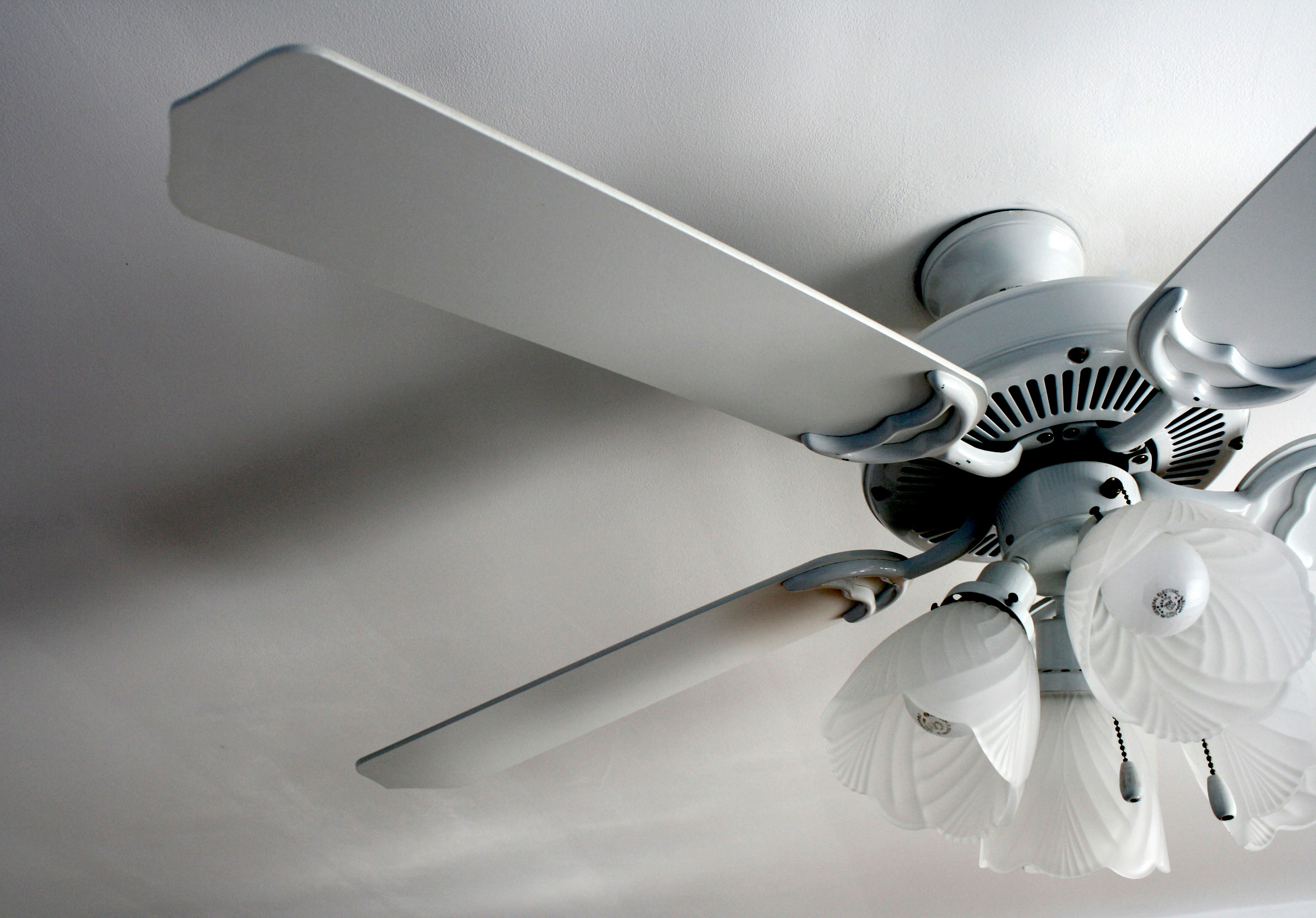
Understanding the Costs of Ceiling Fan Installation
The installation of a ceiling fan involves various costs that can differ significantly based on whether the task is undertaken as a DIY project or executed by a professional electrician. In the year 2026, prospective buyers and installers should outline and consider these costs carefully to make informed financial decisions.
The primary expense is, of course, the cost of the ceiling fan itself, which can range from $55 to $320. This price variability is attributed to factors such as brand, design, and additional features like remote control or integrated lighting. In addition to the fan, one may need to purchase a mounting brace if the existing structure does not support the fan adequately; these braces typically range from $14 to $28.
Other minor but necessary expenses include wire connectors, costing around $4, which are essential for connecting wiring safely. Furthermore, if a voltage tester is not already in possession, it would require an investment of approximately $12 to $22, ensuring that the electrical work is handled safely and effectively. For those retrofitting a fan into a different location, a fan brace kit, usually priced around $18, might be warranted, as it provides added support and safety.
When considering total costs, a DIY installation generally ranges between $85 to $380, factoring in the ceiling fan price and additional materials. On the other hand, professional installations typically range from $200 to $550, including the ceiling fan cost, labor, and any other necessary expenses. Thus, making a choice between DIY or hiring an electrician hinges on one’s confidence in handling electrical installations and the overall budget allocated for the project.
DIY Ceiling Fan Installation: A Step-by-Step Guide
Installing a ceiling fan can enhance ventilation and improve the aesthetics of your room, and tackling this project on your own can be both rewarding and cost-effective. Here is a comprehensive guide to walk you through each step of the process.
First, gather your tools. According to the Americana Choice tool checklist, you will need a ladder, a screwdriver, a wire stripper, a voltage tester, and pliers. Having these tools ready will ensure a smoother installation.
Begin by turning off the power at the circuit breaker to ensure safety. Use the voltage tester to confirm that the power is off before you proceed. This is a critical step, with a difficulty rating of 2 out of 5, as safety is paramount in any electrical work.
Next, remove the existing light fixture or fan, if applicable. This step involves disconnecting wires and can have a difficulty rating of 2, depending on the fixture’s complexity. Once removed, inspect the electrical box to ensure it can safely support the ceiling fan’s weight.
Mount the ceiling fan bracket securely to the ceiling. For most fans, this step will require you to attach the bracket with screws, and this has a difficulty rating of 2. Ensure that the bracket is level and firmly attached; a loose installation may result in wobbling or falling.
Following this, connect the wiring of the ceiling fan. Match the wires from the fan to the corresponding wires in the ceiling: typically, black to black (hot), white to white (neutral), and green or bare to the ground wire. This step holds a difficulty rating of 3, as proper electrical connections are crucial.
Finally, secure the ceiling fan to the bracket, attach any light fixtures if included, and reinstall the light bulbs. Check that everything is tightly fastened, and then turn the power back on at the circuit breaker. Test the fan to ensure it operates correctly.
Completing these steps can lead to a functional and stylish ceiling fan harnessing your personal effort and creativity. Although the installation of ceiling fans can be technically demanding, being well-prepared and following this guide will significantly ease the process.
Hiring a Professional Electrician: What to Expect
When considering the installation of a ceiling fan, engaging a professional electrician can offer numerous advantages that enhance both the experience and outcome of your project. One of the most significant benefits is time efficiency; electricians are accustomed to the installation process and can complete the work faster than a typical homeowner undertaking a DIY approach. Their expertise not only shortens installation time but also reduces the likelihood of errors or complications that might arise during the process.
Safety is another crucial aspect to consider when hiring an electrician. Ceiling fan installations can involve electrical work that, if improperly executed, could pose hazards such as electrical fires or electrocution. Professional electricians are trained to adhere to safety standards and building codes, ensuring that the installation is performed safely, thus providing peace of mind for homeowners.
To find a qualified electrician, homeowners should conduct thorough research. Begin by seeking recommendations from friends, family, or neighbors who have had similar work done. Online platforms can also be beneficial, allowing you to read reviews and check ratings of local electricians. Look for professionals who are licensed and insured, as this indicates that they meet the necessary standards for electrical work and can provide compensation should any issues arise during the installation.
During the consultation process, a professional electrician typically evaluates your space and requirements, discussing your preferences for the ceiling fan. This stage might involve examining the ceiling strength and ensuring that your electrical wiring can support the new fan. After this assessment, the electrician will provide a detailed quote that itemizes all anticipated costs, helping you understand the financial commitment involved in hiring a professional for your ceiling fan installation.
Conclusion: Making the Right Choice for Ceiling Fan Installation
In navigating the decision between a DIY ceiling fan installation and hiring a professional electrician, several crucial factors merit careful consideration. Firstly, it is essential to assess your own skills and experience with electrical tasks. While some individuals may possess the confidence and technical know-how to undertake a DIY project, others may find it more prudent to enlist professional assistance, particularly for complex installations involving intricate wiring or additional features such as remote controls or smart technology.
The complexity of the installation also plays a significant role in determining the best approach. For example, if your chosen ceiling fan is relatively straightforward and does not require the modification of existing electrical structures, a DIY installation may be feasible. Conversely, if there are complications such as an unusual ceiling height or the need to upgrade electrical capacity, hiring an electrician could save time and ensure safety.
Comparing costs is another essential aspect. DIY installations typically save on labor costs, allowing homeowners to invest in quality materials. However, it’s vital to incorporate every item related to the project, including tools, permits, and potential mistakes that may arise. In contrast, while opting for a professional might incur higher upfront expenses, it guarantees expertise and a completed job without the risk of errors that might complicate future repairs.
For clarity, a final comparison chart highlights the pros and cons of each option, helping readers weigh their choices efficiently. Ultimately, the right decision will depend on individual capabilities, the complexity of the ceiling fan installation, and budgetary considerations, ensuring a satisfying outcome for all homeowners considering this home improvement project.
If you’re interested in purchasing the item you seek, please click the link for additional details: #americanachoice.
https://amzn.to/3SBN3Oy
AFFILIATE DISCLOSURE: I am an affiliate for this company, I am not a paid employee.
I may receive a commission if you click a link on this page and choose to purchase something.
You can rest assured I will only share things I believe in and will be valuable to you.