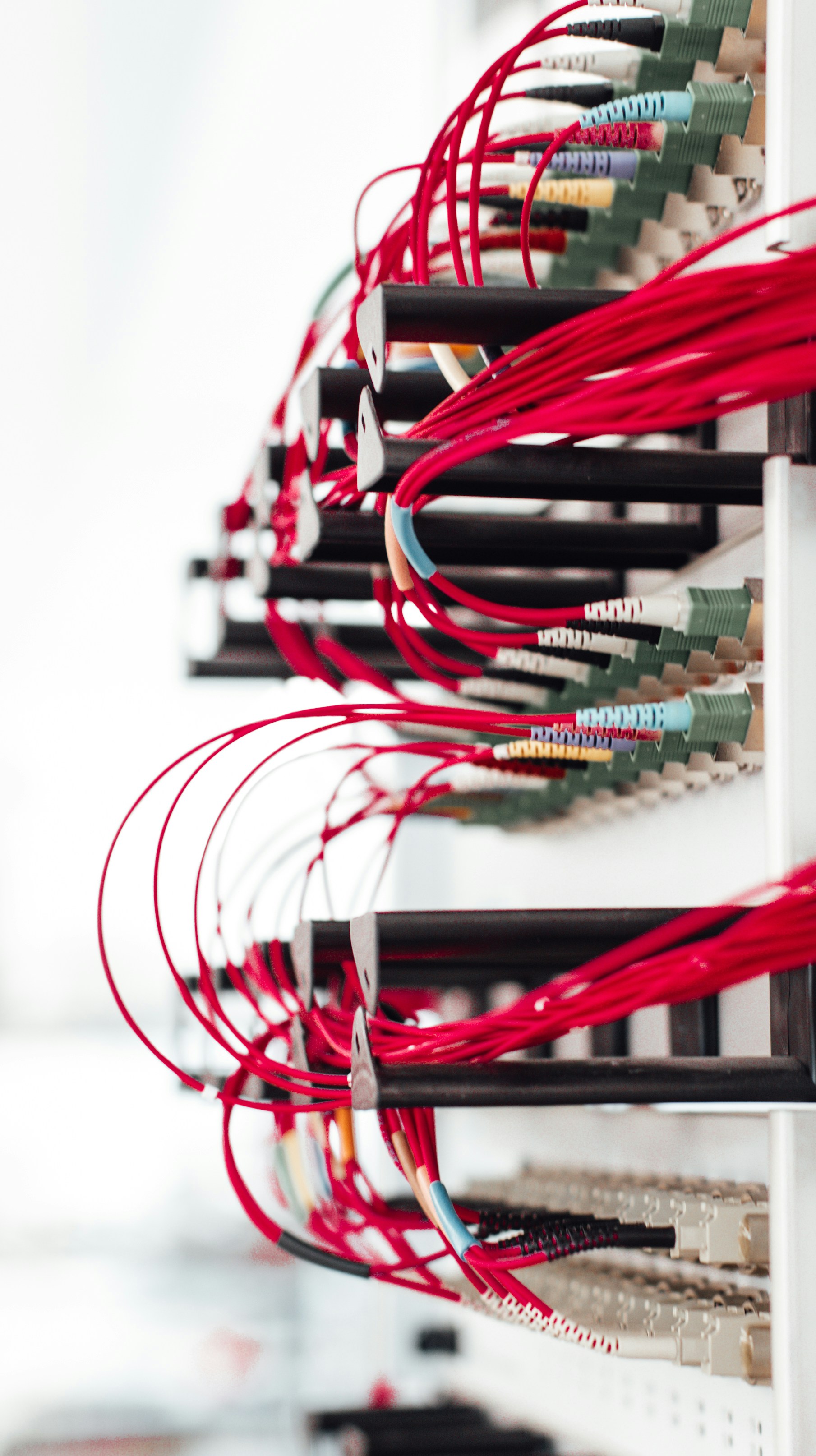
The Cable Graveyard: A Humorous Archaeology of Outdated Tech
The accumulation of old cables and chargers—often characterized as the “cable graveyard”—serves as an amusing testament to our relationship with technology. As gadgets evolve, so too do the accessories that accompany them, leaving a trail of obsolete wires in their wake. The tendency to cling to these remnants can drive one to ponder over the significance of such attachments. One can almost visualize a caveman’s toolkit, replete with old USB cables, antique phone chargers, and the occasional odd connector, all vying for attention in a disorganized drawer.
Each time a new device arrives, a wave of nostalgia sweeps through as we bid farewell to its predecessor. Remember the excitement of holding a flip phone or the unique charm of a bulky laptop that now seems like a relic? Alongside these memories, the assorted cables become tangible links to our technological past. We may chuckle at the notion of still possessing the charger for a device that ceased to be relevant years ago, yet these cables symbolize our journey through the tech evolution.
Moreover, the peculiar assortment of chargers and wires can act as archaeological artifacts mapping the technological advancements in our lives. From the whimsical tangle of iPhone chargers to the once-popular adapters of early mobile devices, each item holds a story—an ephemeral moment when that gadget was an integral part of our daily routine. This amusing cabinet of curiosities has transformed from mere clutter into a humorous homage to devices that, in their heyday, promised to revolutionize the way we interact with the world.
Ultimately, the cable graveyard represents not just disorganized clutter but an evolving narrative of our lives as tech users. Embracing this humorous archaeology serves as a reminder of where we started and how far we have come with each technological leap, making it easier to part with outdated devices while simultaneously cherishing the memories they conjure.
The Psychology Behind Hoarding Old Cables and Gadgets
In contemporary life, it is not uncommon to stumble upon drawers filled with old cables and chargers, remnants of technology that we no longer use. The act of hoarding these items is often rooted in various psychological aspects that reveal much about our relationship with technology. One significant factor is the fear of scarcity; we may hold onto chargers and cables out of a conviction that these items will eventually be needed. This belief stems from the unpredictability of technology—often seemingly obsolete devices can become necessary due to unforeseen situations or compatibility issues with new gadgets.
Moreover, emotional attachment plays a critical role in this phenomenon. Cables and chargers can become symbols of experiences tied to past devices, memory-laden artifacts that invoke nostalgia. The emotional weight of these connections can lead to difficulty in letting them go, as they represent not just objects, but moments in time that hold personal significance. Individuals may vividly recall the first time they used a particular gadget or the joy of receiving it as a gift. Such memories further solidify our decision to keep them, defying rationale.
Another relevant psychological concept is loss aversion, wherein the pain of losing something is perceived as more significant than the joy of gaining something. This principle may drive us to hold onto cables, driven by the anxiety over their potential future utility. Furthermore, the cluttered drawer serves as a juxtaposition to minimalism; it reflects a common struggle between practicality and attachment to excess. Personal anecdotes often affirm these sentiments; many recount experiences of finally throwing out dusty chargers only to find themselves needing one just weeks later. Such narratives reinforce the cycle of keeping these items, embedding them deeper into our daily lives and thought processes.
Marie Kondo’s Philosophy on Cable Chaos: Tidying Up with Intention
Marie Kondo’s renowned approach to tidying is not solely about achieving a neat living space; it revolves around fostering a deeper connection to our belongings, even when it comes to the multitude of cables and chargers that seem to proliferate in every household. At the core of Kondo’s philosophy is the principle of identifying items that “spark joy.” This principle encourages individuals to reflect on the significance of each cable and charger without succumbing to mere utility. Instead of retaining every piece of technology, Kondo suggests evaluating whether each item contributes positively to our lives.
To begin the decluttering process, Kondo emphasizes the importance of gratitude. Before letting go of a cable or charger, take a moment to express appreciation for the role it has played, whether it facilitated connectivity or powered a beloved device. This act of acknowledging the service of these items can soften the emotional weight associated with parting ways with them. With this reflective mindset, you may find some chargers are outdated relics and no longer correspond to any working device, and thus can be released without guilt.
Another effective strategy from Kondo’s method involves organizing cables in a coherent manner. Group similar cables and chargers together, perhaps using small boxes or pouches to prevent tangling. Labeling these containers can also be beneficial for easy identification, ensuring that you know precisely what each one is for at a glance. Embracing this structure invites clarity into what may initially seem like chaos, aligning with Kondo’s overarching aim of creating a serene environment. By applying these strategies, the process of tidying up the drawer of wires transforms from a mundane chore into an intentional journey towards a simpler and more joyful space.
Practical Organization and Purging Strategies for Your Cable Collection
Managing a drawer filled with a tangled mass of wires and chargers can often feel overwhelming. However, employing practical organization strategies can turn this chaotic space into a well-ordered collection. The first step in organizing your cables is to categorize them based on their types and functions. Grouping similar items together—such as USB cables, power cords, and headphones—can simplify the retrieval process. Consider setting aside a few minutes each week to sort through your collection, ensuring that you keep only the items that are truly necessary.
Once categorized, investing in labeled storage solutions is crucial. Clear plastic bins or drawer organizers can significantly enhance visibility, while labels will help quickly identify each cable’s purpose. A simple label maker or even masking tape can serve this purpose effectively. Furthermore, using Velcro ties or cable organizers can help keep cables from tangling, allowing for quicker access when needed.
Adopting a minimalist approach is also beneficial. Assess each cable and charger to determine its necessity in your daily life. Ask yourself whether you have used a specific cable in the last several months; if not, it may be time to discard or recycle it. To aid in this process, consider creating a checklist to evaluate each item. This checklist might include questions such as: Is this item functional? Do I have a device that needs this cable? Can I find a replacement easily if required? By systematically addressing each cable, you can efficiently determine which items to keep.
Implementing these strategies not only reduces clutter but also empowers you to reclaim valuable storage space. By committing to a regular purging schedule and using practical organization methods, you can keep your cable drawer from becoming a mysterious cable graveyard.
If you’re interested in purchasing the item you seek, please click the link for additional details: #americanachoice.
https://amzn.to/3SBN3Oy
AFFILIATE DISCLOSURE: I am an affiliate for this company, I am not a paid employee.
I may receive a commission if you click a link on this page and choose to purchase something.
You can rest assured I will only share things I believe in and will be valuable to you.