The Social Landscape of the Dump
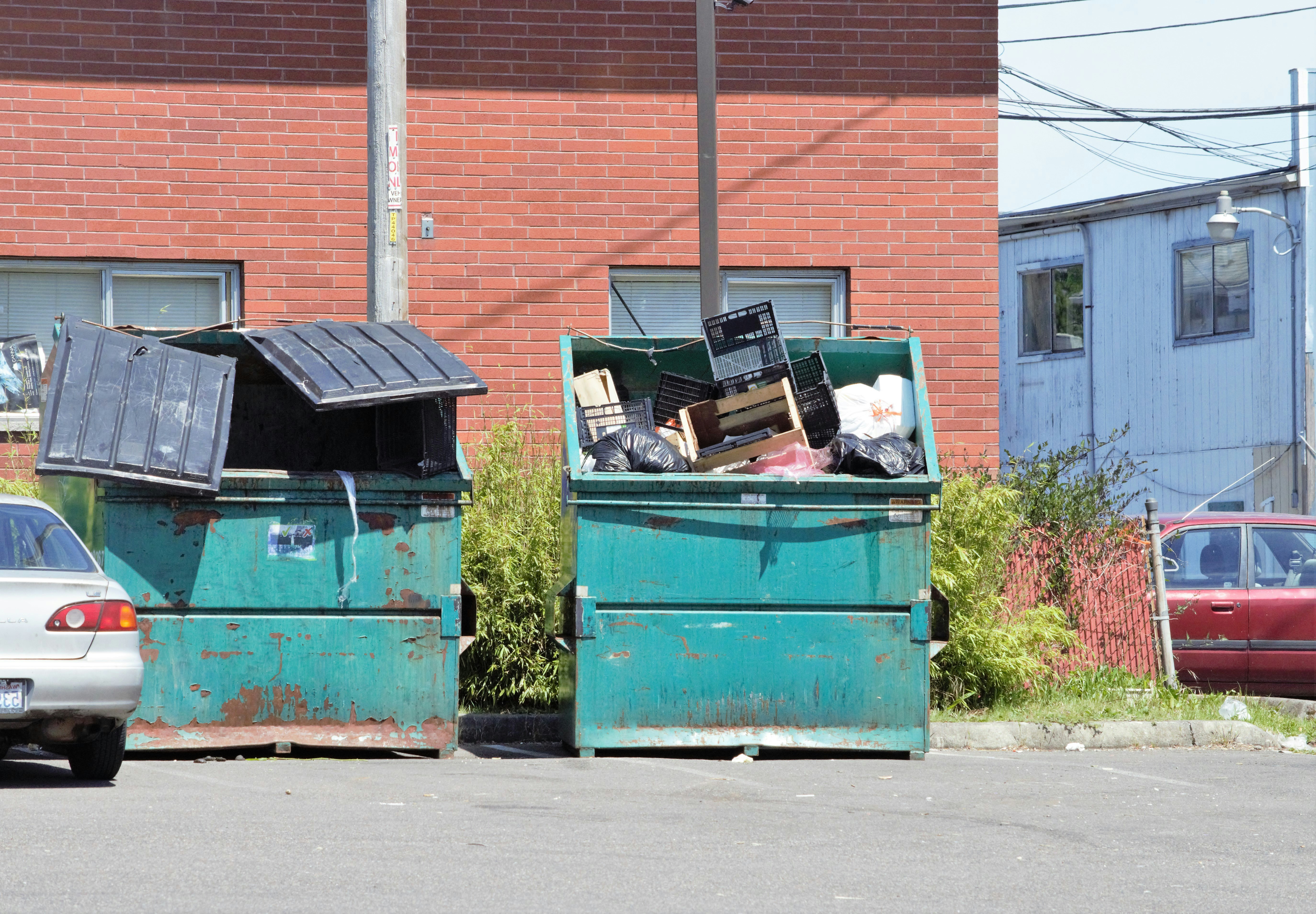
The dump and recycling center represent a unique social environment characterized by a complex tapestry of emotions and behaviors. This space serves not only as a disposal site but also as a microcosm of societal interactions where visitors confront their own values regarding consumption and waste. As individuals navigate through piles of discarded items, a spectrum of feelings emerges—shame, pride, and indifference. These feelings are often intertwined with the act of disposing of personal belongings, which can elicit both a sense of liberation and discomfort.
The psychological aspect of visiting such a place cannot be overlooked. Many people experience shame as they consider the material items they are letting go, reflecting a societal value placed on possessions. Conversely, others may feel pride in actively participating in recycling efforts, perceiving their actions as environmentally conscious. In both cases, the presence of others can amplify feelings of judgment or acceptance, as visitors gauge their behavior against that of fellow discarders.
This dynamic creates an unspoken rule regarding eye contact—a significant yet often avoided aspect of social interaction in this setting. Typically, the act of making eye contact may invite judgment or scrutiny, leading individuals to avert their gaze. Such behavior reflects an inherent desire to avoid connection in a space where vulnerability is palpable. By disregarding eye contact, visitors navigate the social nuances more comfortably while maintaining their personal sense of identity amid a sea of discarded items.
As people engage in these subtle interactions, the themes of eye contact and social engagement become pivotal for understanding the cultural implications of visiting the dump. This exploration lays the groundwork for a deeper investigation into how societal norms influence our behavior in spaces filled with remnants of our consumer choices.
Judgment at the Dump: Perceptions and Misconceptions
Visiting a dump often conjures up a range of emotions, from embarrassment to indifference, influenced by societal norms surrounding waste disposal. Many individuals find themselves subjected to implicit judgments based on the items they discard. These perceptions often stem not from the discarded materials themselves but from the societal constructs attributing value and status to possessions. For instance, a brand-name product thrown away may lead others to speculate about a person’s financial situation, while an item that is outdated may elicit assumptions regarding one’s lifestyle choices.
In conversation with people who regularly frequent the local dump, many have expressed feeling scrutinized by others—particularly when disposing of large amounts of waste. Anecdotal evidence suggests that the type of waste one carries can lead to quick judgments about a person’s character or social status. For instance, one might surmise that an individual discarding a couch has experienced a significant life change, such as moving or a family alteration. Such reflection inadvertently reveals more about the observer’s insecurities than it does about the person being judged.
Observations at such locations highlight an interesting dichotomy: while individuals fear being judged, they often perpetuate the same judgments when witnessing others. This creates a cycle where people project their feelings onto others, fueled by internal dialogues of inadequacy or superiority. Cultural norms reinforce these behaviors, as cleanliness and organization are often equated with success and responsibility. As a result, the space of the dump transforms into a social arena, where unspoken rules dictate how individuals perceive one another.
In navigating these subtle dynamics, individuals may find liberation in acknowledging that personal judgments often mirror inner conflicts. Understanding this aspect of human interaction at the dump may foster a greater sense of empathy, allowing one to view discarded items not merely as waste but as representations of life transitions.
The Art of Eye Contact: A Subtle Dance of Interaction
Eye contact forms an integral part of human interaction, comprising a complex language of its own that conveys emotions and intentions without uttering a single word. Within the unique context of a dump or recycling center, the decision to engage in eye contact—or deliberately avoid it—takes on a distinctive significance. This subtle dance can signal a range of emotions including vulnerability, defiance, or even solidarity among individuals sharing this often stigmatized environment.
When one person glances towards another, it may also reflect curiosity or a quest for connection, even amid the unglamorous backdrop of discarded items. For instance, a fleeting gaze can embody vulnerability, where an individual acknowledges their temporary role in this space while potentially seeking empathy from others. Conversely, prolonged eye contact might be perceived as a challenge or assertion of presence, which can foster an environment of defiance among those who pride themselves on resilience.
The importance of body language accentuates this dynamic even further. Averted eyes might indicate a desire to remain disengaged, allowing individuals to maintain a sense of privacy despite the closeness of shared experiences. This becomes particularly relevant when one observes the various interactions among fellow dump visitors. In some cases, avoiding eye contact serves as a protective shield, preventing deeper emotional involvements in what could be perceived as a judgmental space, while in other contexts it can signal to others that one is not interested in conversation.
Studies in non-verbal communication suggest that our gaze carries weighty messages; thus, the act—or avoidance—of making eye contact illuminates the ongoing negotiation of social dynamics. In the particular setting of a dump, understanding these nuances leads to a deeper appreciation of how people navigate their experiences.
Navigating Dump Etiquette: Strategies for a Congenial Experience
When visiting a dump, it is important to understand the unspoken social dynamics that can make the experience more pleasant for everyone involved. The first step in navigating dump etiquette is to acknowledge the spatial constraints. Avoiding eye contact can sometimes be a strategy to maintain personal space while respecting the privacy of others. By focusing on your task at hand, whether it is unloading items or observing recyclable materials, you can create a comfortable atmosphere that minimizes unnecessary social interaction.
Another important strategy is to embrace humor. Everyone at the dump shares a common bond in discarding items; a lighthearted comment or a friendly smile can ease the heaviness of this responsibility. For example, remarking on the peculiar items people throw away can ignite laughter and help break the ice. This approach not only promotes camaraderie but also lessens potential feelings of judgment that can arise in such an environment.
Additionally, it is helpful to remember that everyone has their own reasons for being at the dump. Just as you may feel self-conscious about what you are discarding, others do too. Practicing self-acceptance is crucial; we are all part of the cycle of consumption and disposal. Acknowledging this can help diminish feelings of embarrassment or shame. Embrace your role in this cycle, and remind yourself that discarding items is a necessary and, at times, freeing experience.
Finally, being respectful of others’ space while maintaining your own is paramount. When you are in line or sorting through items, keeping a respectful distance can prevent any discomfort. A nod or simple gesture can convey friendliness without necessitating verbal interaction. In doing so, you contribute to a congenial atmosphere that can make the dump experience less daunting.
If you’re interested in purchasing the item you seek, please click the link for additional details: #americanachoice.
https://amzn.to/3SBN3Oy
AFFILIATE DISCLOSURE: I am an affiliate for this company, I am not a paid employee.
I may receive a commission if you click a link on this page and choose to purchase something.
You can rest assured I will only share things I believe in and will be valuable to you.