Understanding the Different Types of Paint Brushes
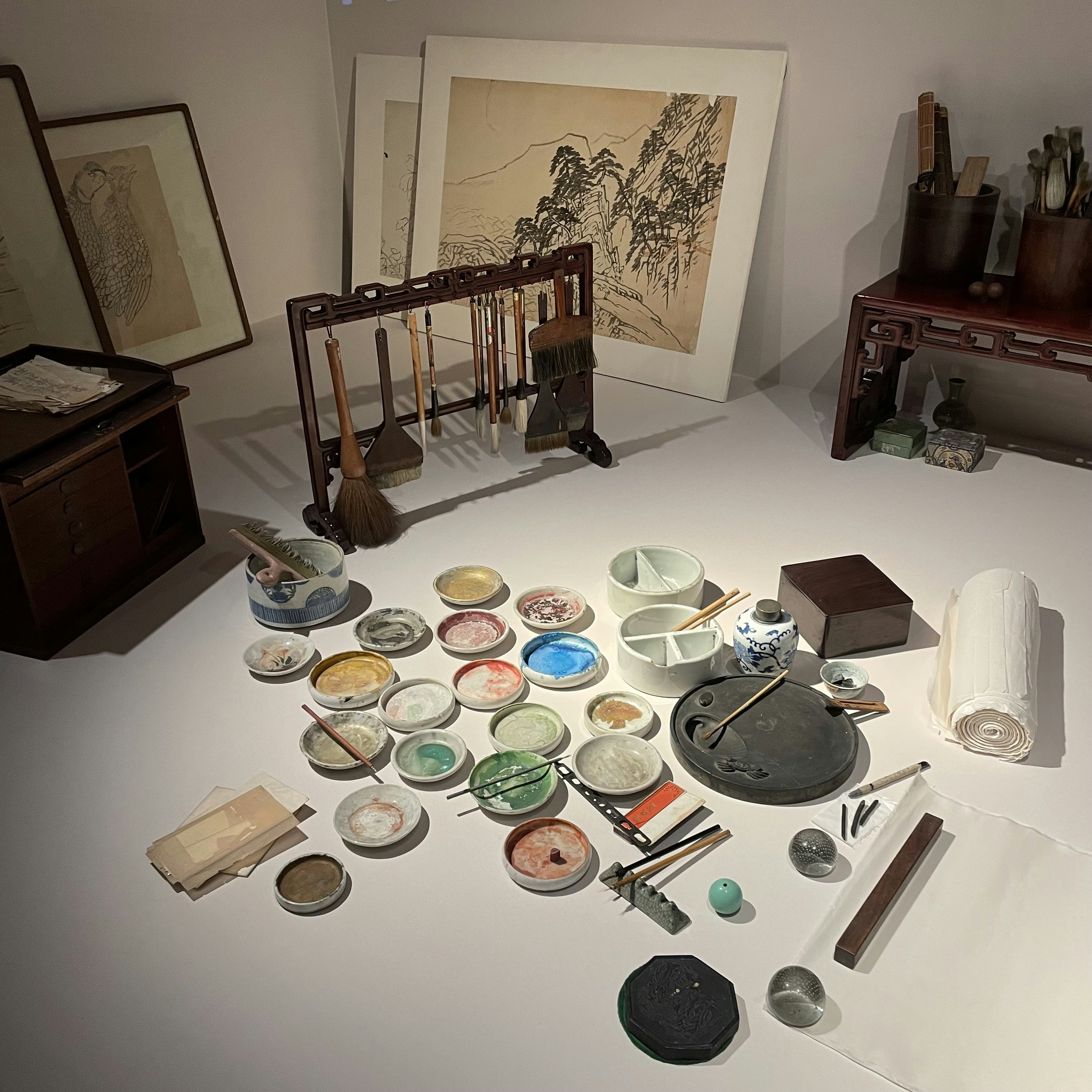
Choosing the right paint brush is essential for achieving the desired finish in any painting project. Understanding the various types of paint brushes available can significantly enhance your painting experience. The four main types of paint brushes are flat brushes, round brushes, angled brushes, and detail brushes, each serving unique purposes.
Flat brushes are characterized by their wide, rectangular bristles, making them ideal for covering large areas. They are particularly useful for painting walls or laying down broad strokes. Artists often prefer flat brushes for creating sharp edges and straight lines, facilitating smooth, even coverage of paint.
Round brushes, on the other hand, feature a pointed tip, allowing for versatility in both broad strokes and delicate detailing. Their rounded shape is perfect for creating fine lines, curves, and dots. This type of brush is popular among artists who require precision in their work, ranging from watercolor to oil painting.
Angled brushes are designed with a slanted edge, enabling paint application at various angles. They are particularly effective for cutting in along edges, corners, and trim, providing a crisp line. The unique shape helps in achieving intricate designs and offers better control over paint application, especially in tight spaces.
Detail brushes, as the name suggests, are intended for fine detailing work. With their slender bristles, they allow for precision painting in small areas, making them invaluable for intricate designs, highlights, and touch-ups. Artists often use detail brushes when high levels of accuracy are required.
When selecting the right paint brush for your project, consider the surface area you will be painting, the type of paint you are using, and the level of detail necessary for your work. By understanding the different types of paint brushes and their uses, you can make informed decisions that will enhance the quality and creativity of your painting projects.
Materials Matter: Natural vs Synthetic Bristles
When selecting paint brushes, the composition of the bristles plays a critical role in determining not only the quality of the finished product but also the overall painting experience. The main types of bristles available are natural and synthetic, each with its unique properties, advantages, and disadvantages.
Natural bristles, often derived from animal hair such as ox, squirrel, or hog, are favored by many artists for their ability to hold and distribute paint effectively. Their finest qualities include exceptional flexibility and a soft, pliable feel that allows for the creation of smooth and blended brush strokes. Natural bristles excel when used with oil-based paints, as they can keep a steady flow, enabling artists to achieve desired texture and layering. However, one major downside to natural brushes is their propensity to deteriorate over time, particularly when exposed to water or harsh cleaning agents, making them less durable in some applications.
On the other hand, synthetic brushes, typically made from nylon or polyester, have gained popularity due to their versatility and durability. A key advantage of synthetic bristles is their resistance to wear and tear, making them suitable for prolonged use. They also tend to hold their shape better when cleaned, providing longevity for consistent performance over multiple projects. Synthetic brushes are particularly effective with water-based paints, as they do not absorb moisture as natural bristles do, ensuring high-quality application without losing resilience. However, some artists feel that synthetic bristles do not provide the same level of finesse or character in their stroke compared to their natural counterparts.
Ultimately, the choice between natural and synthetic bristles is contingent upon the specific requirements of the painting project at hand, as well as the artist’s personal preferences. Careful consideration of the intended medium and painting technique will facilitate a more informed selection, significantly impacting the outcome of the final artwork.
Choosing the Right Brush Size for Your Project
Selecting the appropriate brush size is crucial in achieving the desired results in any painting project. The scale of your artwork plays a significant role in determining the size of the brush you should use. For larger canvases or murals, a broad brush, ideally a 2-inch or larger flat brush, allows for effective coverage and quicker progress. These brushes facilitate the application of background colors and large areas, ultimately saving time and effort.
Conversely, when working on smaller canvases or intricate details, a smaller brush is essential. Detail brushes or liner brushes, typically ranging from sizes 0 to 4, are ideal for fine work, including painting delicate lines, precise edges, and intricate patterns. Utilizing a range of brush sizes within a single project can enhance the overall effect and give depth to your artwork.
Additionally, the medium you are using must guide your choice of brush size. For example, oil paints may require larger brushes to accommodate their thicker consistency, while watercolors often benefit from smaller, softer brushes to achieve delicate washes and detailed work. It is also beneficial to consider how the brush’s shape influences its functionality; angled brushes can create sharp lines while round brushes excel at blending and detailing.
Ultimately, experimenting with various brush sizes and techniques can significantly elevate your painting skills. By understanding how different brush sizes contribute to your project’s outcome, you can make informed decisions that will enhance both your creative expression and the quality of your work.
Care and Maintenance of Paint Brushes
Maintaining paint brushes is crucial for ensuring they perform effectively over time. Proper care not only enhances the brushes’ lifespan but also significantly improves the quality of your work. To begin with, selecting the right cleaning technique is essential, depending on the type of paint used. For water-based paints, such as acrylics, brushes can be cleaned with warm water and mild soap. It is advisable to rinse the brush thoroughly until all paint is removed, gently working the bristles with your fingers to dislodge any trapped paint. For oil-based paints, solvents like mineral spirits or turpentine are required. After soaking the brush in the solvent, it should be gently wiped on a cloth, followed by washing with warm, soapy water to remove any remaining residue.
In addition to cleaning, proper storage is fundamental in maintaining the shape and integrity of the bristles. After cleaning, it is recommended to reshape the bristles by gently squeezing them to remove excess water and then placing the brush flat or hanging it by its handle. Storing brushes upright in a container can cause bristles to bend or fray over time. If you tend to work with different paints frequently, consider keeping separate brushes for each type to avoid contamination and facilitate easier cleaning.
Finally, knowing when to replace your paint brushes is equally important. Signs of wear, such as split bristles, excessive shedding, or loss of shape indicate that it may be time to invest in new brushes. Regularly assessing the condition of your tools ensures that you consistently achieve desired results in your projects. By incorporating these care and maintenance practices, artists can extend the life of their brushes, distinguishing their professional quality for more enjoyable painting experiences.
If you’re interested in purchasing the item you seek, please click the link for additional details: #americanachoice.
https://amzn.to/3SBN3Oy
AFFILIATE DISCLOSURE: I am an affiliate for this company, I am not a paid employee.
I may receive a commission if you click a link on this page and choose to purchase something.
You can rest assured I will only share things I believe in and will be valuable to you.