The Rise of Voice-Activated Assistants
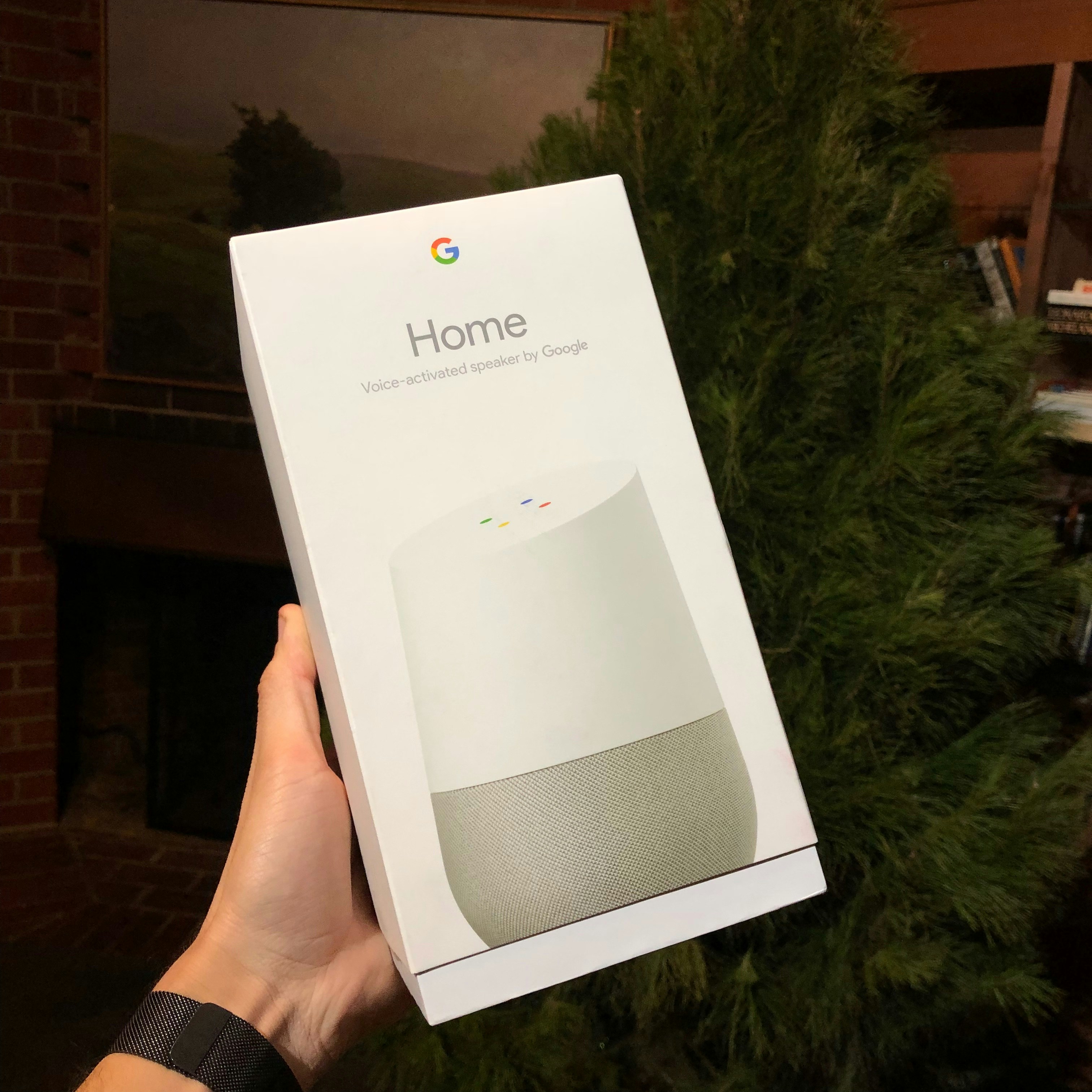
In recent years, the advent of voice-activated assistants has revolutionized the way individuals interact with technology in their daily lives. Devices such as Amazon’s Alexa, Google Assistant, and Apple’s Siri have become ubiquitous, seamlessly integrating into countless households. The primary goal of these digital helpers is to enhance convenience by managing schedules, providing real-time information, and controlling smart home devices with simple vocal commands.
The popularity of voice-activated assistants can be attributed to their ability to simplify routine tasks. With a mere command, users can play music, inquire about the weather, set reminders, or even turn lights on and off. This user-friendly interface has democratized technology, making it accessible to an array of demographics, including those who may find traditional interfaces daunting.
Moreover, voice-activated assistants are proving to be incredibly useful in the realm of home improvement. By allowing homeowners to control smart devices through voice commands, they reduce the friction often associated with DIY projects. For instance, a user can ask their assistant to play instructional videos or provide a checklist while simultaneously carrying out tasks, making the home improvement experience far more efficient.
However, this reliance on voice technology is not without its hurdles. Users have reported instances of miscommunications or unexpected responses, often leading to humorous scenarios. These comedic misadventures highlight the limitations that still exist within voice recognition technology, reminding users that while digital helpers are adept at certain tasks, they are not infallible.
As the technological landscape continues to evolve, voice-activated assistants are likely to become even more integrated into everyday life. As we delve deeper into the comical side of these interactions, it’s essential to recognize both the advantages and the occasional misfires that characterize this ongoing relationship between humans and their digital assistants.
The Home Improvement Enthusiast’s Dream or Nightmare?
For many DIY aficionados, the advent of voice-activated assistants has seemed like a dream come true. Imagine being knee-deep in a home improvement project, paintbrush in hand, while simultaneously commanding your digital assistant to play your favorite music, set timers, or even find tutorial videos. However, this reliance on technology can quickly turn into a chaotic nightmare, often due to simple misunderstandings that escalate into comical mishaps.
One common scenario arises from the assistant’s misinterpretation of voice commands. A straightforward request, such as “turn on the light,” can lead to unexpected results if the assistant mishears the command as “turn on the blender.” Rather than illuminating your workspace, you might find yourself subjected to a noisy whirl of kitchen appliances, leaving you frazzled amidst a mountain of tools and materials.
Moreover, consider the nuances of natural language. When a homeowner requests, “play me the best tips for tiling,” the assistant might misinterpret the context, launching into an offbeat podcast about the history of tiles rather than practical advice. Such instances showcase the humor found in our interactions with smart devices, underscoring their technical limitations.
Additionally, there are those moments when the assistant takes action without a proper context, leading to absurd outcomes. For example, if asked to “get me some wood,” you might receive a delivery of firewood meant for an entirely different location, showcasing the pitfalls of relying on automatic processes. Home improvement, which relies heavily on precision, can easily fall victim to the warped logic of a voice-activated assistant.
Ultimately, while voice-activated assistants can enhance the home improvement experience, they are not foolproof. The blend of human intention with artificial intelligence often reveals itself through comedic and sometimes frustrating situations, reminding us that technology is undoubtedly fallible. As we navigate the possibilities of AI in home improvement, it is essential to keep in mind the potential for both assistance and absurdity.
Real Stories: When Home Improvement Meets Technology
In the interplay between home improvement and technology, voice-activated assistants have emerged as both helpful tools and sources of unexpected humor. Homeowners often find themselves in amusing predicaments when they attempt to integrate these digital devices into their DIY projects. One unforgettable account involves a homeowner who asked his device to purchase materials for a “deck remodel.” Instead, the assistant misinterpreted the request and ordered 20 cases of “deck chairs,” leading to an unexpected furniture delivery.
Similarly, another homeowner recounted her experience trying to set a timer for her paint-drying project. She confidently commanded her voice assistant to “set a timer for 30 minutes,” only to discover it had mistakenly interpreted “30 minutes” as “30 hours.” Upon returning, she found her freshly painted walls had suffered from an unfortunate mix of dry patches and an alarmingly sticky surface. Such misunderstandings reveal how subtle nuances in human language can lead to comical outcomes when combined with technology.
Failed connectivity has also led to chaotic situations. A story comes to mind of a couple attempting to play music while working on their living room remodel. When one spouse accidentally adjusted the home assistant’s volume settings without realizing it, the unit began blasting an old rock anthem, startling the homeowners. The couple, initially focused on DIY tasks, found themselves dancing and laughing, resulting in paint splatters everywhere. As the paint cans became more colorful, so did their project plans—now appearing like a hastily made Jackson Pollock art piece.
These anecdotes illustrate not only the quirks of integrating technology into home improvement projects but also the importance of patience and a sense of humor when working with voice-activated assistants. The intersection of technology and everyday tasks reveals both the absurdities and the challenges of modern living, reminding homeowners that sometimes, laughter truly is the best remedy for DIY disasters.
Concluding Thoughts: Embracing the Comedy of Errors
In reflecting on the various mishaps that have occurred during home improvement projects involving voice-activated assistants, it becomes clear that these experiences are often marked by a delightful blend of frustration and humor. The unpredictability of technology, while sometimes infuriating, often leads to unexpected outcomes that can lighten the mood of even the most serious renovation task. Homeowners have learned that a little patience goes a long way when battling the occasional miscommunication with their virtual assistants.
Whether it’s a simple directive misunderstood, a command leading to an unintended room makeover, or an experimental endeavor that hilariously backfires, these comedic moments serve as important reminders of the evolving relationship between humans and technology. Voice-activated assistants have undeniably revolutionized our daily lives, augmenting our capabilities in ways previously unimaginable. Yet, as we integrate these smart devices into our home renovation projects, it is essential to approach the process with an open mind and an appreciation for the unforeseen.
Looking to the future, the role of voice technology in home improvement is poised to expand. Innovations in artificial intelligence will likely enhance the accuracy and functionality of these systems, making them not only more efficient but also more intuitive. As homeowners become accustomed to these advancements, they may find themselves relying on them to streamline renovation efforts, making projects less daunting and more enjoyable.
Ultimately, the comedy of errors encountered with voice-activated assistants serves as a reminder that home improvement, much like life, is filled with surprises. Embracing this unpredictability, paired with a sense of humor, can transform potentially stressful experiences into joyful memories. As we continue to navigate the integration of voice technology into our homes, let us celebrate the journey—errors and all.
If you’re interested in purchasing the item you seek, please click the link for additional details: #americanachoice.
https://amzn.to/3SBN3Oy
AFFILIATE DISCLOSURE: I am an affiliate for this company, I am not a paid employee.
I may receive a commission if you click a link on this page and choose to purchase something.
You can rest assured I will only share things I believe in and will be valuable to you.