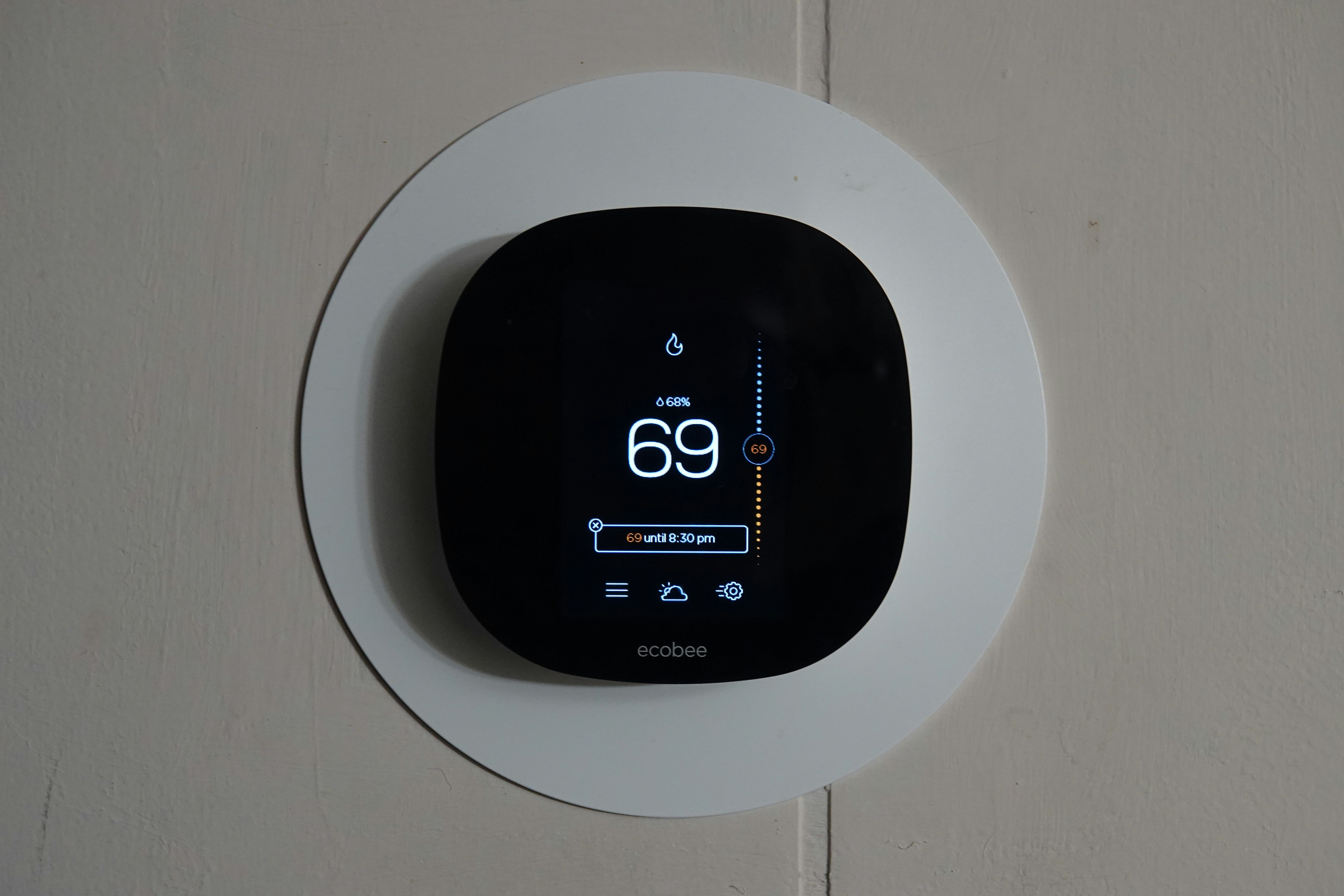
Introduction to Smart Thermostats
Smart thermostats have emerged as a significant innovation in home energy management, providing homeowners with the ability to optimize heating and cooling systems through advanced technology. These devices learn user preferences, adjust temperature settings automatically, and can be controlled remotely via smartphones or other connected devices. By enabling more efficient temperature regulation, smart thermostats can contribute to substantial energy savings, often leading to reductions in energy bills by approximately $130 to $150 annually, a notable benefit for residents in cities like Indianapolis.
One of the primary advantages of implementing a smart thermostat is its ability to enhance energy efficiency within the home. By automatically adjusting heating and cooling based on occupancy and user behavior, these devices minimize energy wastage, ensuring that energy is utilized judiciously. Moreover, many smart thermostats offer energy reports and usage insights, empowering homeowners to make informed decisions regarding their heating and cooling routines.
When considering the transition to a smart thermostat, selecting the right model is essential to maximizing both efficiency and user satisfaction. Different brands offer distinct features and functionalities, which can affect their performance and compatibility with existing systems. In this comparison, we will explore four leading brands in the smart thermostat market: Nest, Ecobee, Honeywell, and Amazon. Each of these brands presents unique advantages, allowing consumers to find a model that perfectly aligns with their specific needs and home requirements. As we delve deeper into the comparison, various aspects such as design, pricing, and smart features will be analyzed to provide a comprehensive overview of what each brand has to offer for improving energy management in homes.
Comparison of Features and Functionalities
When evaluating smart thermostats, particularly the Nest, Ecobee, Honeywell, and Amazon models, a comprehensive understanding of their features and functionalities is essential. Each brand offers unique attributes designed to enhance user experience and energy management.
The Nest Thermostat is renowned for its user-friendly interface and self-learning capabilities. Utilizing machine learning algorithms, it adapts to user preferences over time, allowing for optimized heating and cooling schedules. Furthermore, Nest integrates seamlessly with various smart home systems, including Google Assistant and Alexa, making it a versatile choice for those with existing smart ecosystems.
In contrast, the Ecobee SmartThermostat boasts an additional feature of room sensors that detect occupancy. This allows for more granular control of temperatures in different areas of the home, ultimately promoting energy efficiency. Ecobee also supports a range of smart home platforms like Apple HomeKit, enhancing connectivity options.
For those looking for reliability and a plethora of features, the Honeywell Home T9 is a strong contender. This model supports geofencing, allowing users to set the thermostat based on their location, thus providing efficient energy management when someone is not home. It also maintains compatibility with multiple platforms, including Alexa and Google Assistant, ensuring seamless integration.
Finally, the Amazon Smart Thermostat emerges as an affordable option for consumers. While it may lack some high-end features like room sensors, it still offers essential functionalities, such as remote access via the Alexa app and energy usage reports that help track and reduce costs.
To illustrate the differences and similarities between these smart thermostats, the following comparison chart outlines their key features:
- Nest: Self-learning, Google Assistant compatible, energy-saving modes.
- Ecobee: Room sensors, Apple HomeKit compatibility, occupancy detection.
- Honeywell: Geofencing, customizable scheduling, multi-platform support.
- Amazon: Affordable option, Alexa integration, basic energy monitoring.
Through this comparative analysis, prospective users can better assess which smart thermostat aligns with their specific needs and smart home setups.
Reliability and Performance
When comparing smart thermostats, reliability and performance are paramount considerations for homeowners. The leading companies in this space—Nest, Ecobee, Honeywell, and Amazon—vary in their track records as reported by users and industry experts alike.
Nest thermostats are frequently highlighted for their sleek design and advanced learning technology. Users often report significant energy savings, with some claims suggesting a reduction in heating and cooling bills of up to 15%. Furthermore, Nest supports a comprehensive warranty period of two years, which provides consumers with peace of mind. However, some users have mentioned temporary connectivity issues, particularly in homes with spotty Wi-Fi.
Ecobee, on the other hand, stands tall with its unique room sensor technology that helps manage temperatures more accurately throughout the home. In extensive user surveys, Ecobee consistently ranks high for reliability, with many homeowners appreciating its ability to adapt to personal habits. The warranty also extends to three years, indicating confidence in their product’s longevity. Customers frequently commend energy savings around 20%, especially beneficial for larger households with varying temperature preferences.
Honeywell offers robust performance through traditional designs while integrating some modern technologies. Many customers have praised its user-friendly interface and compatibility with various home automations. User reviews portray Honeywell as reliable, particularly in regions with extreme temperature fluctuations. In terms of warranties, Honeywell provides two years, similar to Nest.
Lastly, Amazon’s smart thermostat, although newer, is making a name for itself with its efficient operation and competitive price point. Users appreciate the integration with Alexa, enhancing overall functionality. However, because it is still relatively new, the long-term reliability remains less documented compared to the other brands. One year of warranty could be seen as a drawback for consumers looking for a more established product.
Gathering testimonials from local Indianapolis homeowners would provide valuable insights into real-world performance and satisfaction levels over time. This feedback can play a crucial role in assessing the long-term reliability of these smart thermostats and determining which option may best suit prospective buyers’ needs.
Pricing and Value for Money
When considering a smart thermostat, pricing and overall value for money are crucial aspects for homeowners in Indianapolis. The four leading options—Nest, Ecobee, Honeywell, and Amazon—each come with distinct initial costs, installation fees, and long-term subscription options.
The Nest Learning Thermostat generally ranges from $249 to $299, depending on the model. Installation is often straightforward due to its user-friendly design, which allows many homeowners to install it themselves. However, hiring a professional can cost an additional $100, particularly if modifications to existing wiring are needed.
Ecobee thermostats, known for including a room sensor, typically price between $249 and $299 as well. The initial installation may have similar costs, but users benefit from a more sophisticated experience that optimizes heating and cooling by detecting occupancy. The company offers a subscription service for premium features, which can be an additional monthly expense.
Honeywell presents a more varied pricing structure, with devices available from about $199 to $249. They also feature easy installation processes and a less complex interface, which could save on professional installation fees. Honeywell does not have a subscription service, making it a more cost-efficient option over time.
Amazon’s smart thermostats, such as the Amazon Smart Thermostat, retail at a lower price point of around $60. However, it lacks many advanced features available in its competitors, which may necessitate a look at the long-term energy savings and functionality before considering this lower upfront cost.
Overall, while Nest and Ecobee offer advanced features justifying their higher prices, Honeywell stands out for homeowners focused on value without additional subscription costs. Ultimately, the best return on investment will depend on the specific needs and energy usage habits of Indianapolis residents.
If you’re interested in purchasing the item you seek, please click the link for additional details: #americanachoice.
https://amzn.to/3SBN3Oy
AFFILIATE DISCLOSURE: I am an affiliate for this company, I am not a paid employee.
I may receive a commission if you click a link on this page and choose to purchase something.
You can rest assured I will only share things I believe in and will be valuable to you.