Understanding Insulation Types and Their Costs
Insulation plays a crucial role in maintaining the comfort and energy efficiency of homes. As we move into 2026, homeowners have various insulation options, each with distinct characteristics and cost implications. The primary types of insulation include batt or roll insulation, rigid foam board, and spray foam insulation. Understanding the attributes and price points of these materials is essential for making informed decisions.
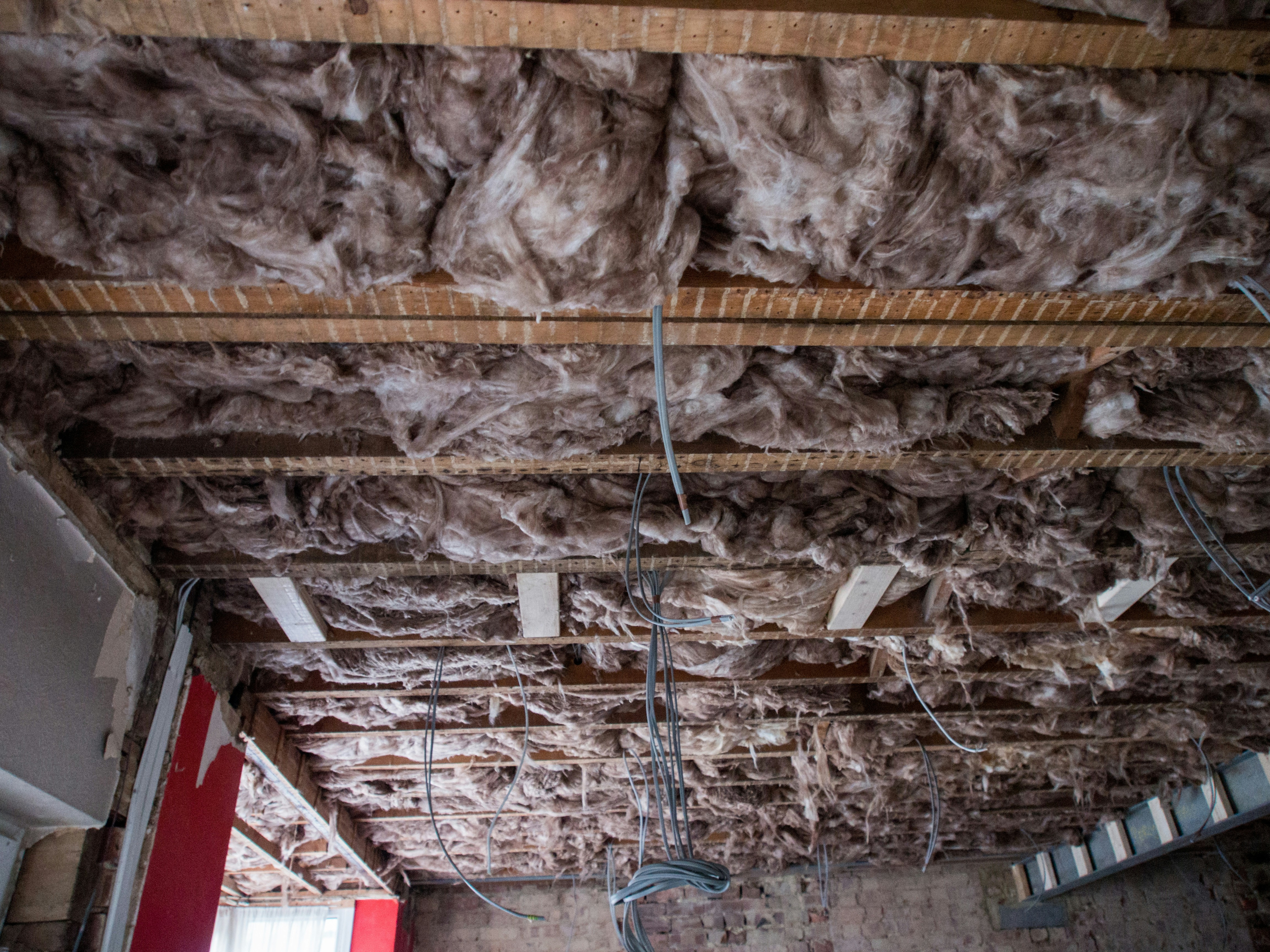
Batt and roll insulation is one of the most common insulation types, often made from fiberglass. Its appeal lies in its affordability and ease of installation, which may be undertaken as a DIY project. Prices for batt insulation in 2026 typically range from $0.50 to $1.00 per square foot for materials alone, with installation costs for professionals varying widely from $1.50 to $3.00 per square foot, depending on local labor rates and project complexity.
Rigid foam board insulation stands out for its higher R-value per thickness, making it a popular choice for exterior applications or areas needing moisture resistance. In 2026, the cost of rigid foam board insulation ranges from $1.25 to $2.50 per square foot when purchasing the materials directly. Professional installation can add another $1.00 to $2.00 per square foot, depending on the scope of the work and suitability for existing structures.
Spray foam insulation is praised for its air-sealing properties, which provide enhanced energy efficiency. This type of insulation can be more expensive, with costs ranging from $2.50 to $6.00 per square foot for materials, while professional installation can significantly increase the per square foot price to between $3.00 and $8.00. The higher initial investment in spray foam is typically justified by its long-term energy savings and performance benefits.
Choosing the right insulation type thus depends on individual budgetary constraints and the desired level of effectiveness. Optimal insulation facilitates energy conservation, thereby reducing utility costs over time, ultimately making it a worthwhile consideration for homeowners making upgrades or enhancements.
The Importance of R-Value and Climate Considerations
R-value is a critical factor in determining the thermal resistance of insulation materials. It quantifies the insulating ability of a material, providing insight into how effective it will be in minimizing heat transfer. Essentially, a higher R-value indicates better insulation performance, making it vital for homeowners to understand how to select materials based on R-value to achieve optimal energy efficiency.
In Indiana, which has diverse climate zones, homeowners need to consider specific R-value requirements tailored to their locations. The state experiences a range of weather conditions, from cold winters to hot summers, necessitating insulation that effectively maintains consistent indoor temperatures. Different parts of Indiana, such as northern regions experiencing harsher winters, have defined thermal resistance criteria that must be met to ensure homes are energy-efficient.
To guide homeowners in Indiana, the recommended R-values vary depending on the insulation’s location within the house. For attics, R-value recommendations can range between R-38 to R-60, while for walls, R-13 to R-21 is typically suggested based on the specific region. It is crucial for homeowners to consult local building codes and energy guidelines when making insulation decisions to align with the recommended R-value thresholds.
Ultimately, selecting the appropriate R-value not only enhances energy efficiency but also translates into significant cost savings over time. By investing in suitable insulation tailored to their climate zone, homeowners can minimize heating and cooling expenses, thereby increasing the comfort and sustainability of their dwelling. Understanding R-value and its implications enables informed decision-making, fostering energy-conscious home improvement investments.
DIY Installation of Batt Insulation
For homeowners considering insulation options, installing batt insulation as a DIY project can be both a rewarding and cost-effective endeavor. The process requires certain tools and safety precautions to ensure successful installation and minimize risks. Below is a step-by-step walkthrough outlining the installation process, as well as the essential tools you will need.
Firstly, gather the following recommended tools:
- Americana choice utility knife
- Measuring tape
- Ruler or straight edge
- Safety goggles
- Dust mask or respirator
- Work gloves
- Stapler with staples (if using faced insulation)
- Wire insulation supports (for walls and ceilings)
Before beginning the installation, ensure you are equipped with the necessary safety gear to protect yourself from possible irritants in the insulation material. It is advisable to wear gloves and a dust mask to prevent skin irritation and inhalation of fibers. Once you have gathered your tools and safety gear, proceed with the following steps:
1. Measure your Space: Carefully measure the height and width of the spaces where you plan to install the insulation. This will help you determine how much batt insulation you will need to purchase.
2. Cut the Batt Insulation: Using the utility knife, cut the batt insulation panels to size according to the measurements taken. Make sure the panels fit snugly between the wall studs or ceiling joists, with no gaps.
3. Install the Batt Insulation: Place the cut insulation between the framing members, ensuring it is flush without compression. If using faced insulation, be sure to position the paper side toward the interior of the home.
DIY installation of batt insulation can lead to significant cost savings compared to hiring professional services. However, it is essential to evaluate your comfort level and experience before proceeding. With careful planning and attention to detail, homeowners can successfully insulate their spaces and improve energy efficiency.
Cost-Benefit Analysis: Choosing the Right Insulation
When selecting insulation for a home, it is imperative for homeowners to conduct a thorough cost-benefit analysis. Each type of insulation varies not only in material composition but also in installation cost and long-term energy savings. A well-informed decision can drastically impact a household’s energy efficiency and overall expenses.
Upfront costs of insulation materials, including fiberglass, cellulose, and spray foam, can significantly differ. For example, while spray foam insulation tends to have higher initial costs due to its specialized application process, it offers superior thermal efficiency and an air-tight seal that can drastically reduce heating and cooling costs. In many circumstances, homeowners may find that the investment in high-performing insulation can pay for itself within a remarkably short timeframe—often as little as 18 months. On the other hand, lower-cost alternatives like fiberglass batts can lead to higher ongoing energy expenses, as their effectiveness can diminish over time due to settling, moisture absorption, and air leaks.
Consideration must also be given to the regional climate and the specific home’s requirements when choosing insulation. A home located in a colder region may benefit more from high-R-value insulation, resulting in enhanced energy conservation, while a milder climate might allow for a less expensive option. Additionally, high-quality insulation can contribute to increased property value, making it an investment that yields dividends when selling a home.
In summary, selecting the appropriate insulation requires a careful evaluation of the initial costs against potential long-term savings. The right choice can lead to substantial reductions in energy costs, ultimately contributing to an informed financial decision that enhances a homeowner’s return on investment.
If you’re interested in purchasing the item you seek, please click the link for additional details: #americanachoice.
https://amzn.to/3SBN3Oy
AFFILIATE DISCLOSURE: I am an affiliate for this company, I am not a paid employee.
I may receive a commission if you click a link on this page and choose to purchase something.
You can rest assured I will only share things I believe in and will be valuable to you.