Understanding Flooring Options: An Overview
Flooring is a key element of any home, and selecting the right type can significantly influence both aesthetics and functionality. Three popular flooring options available today are laminate, engineered hardwood, and solid hardwood. Each has distinct characteristics, making them suitable for different applications within a household.
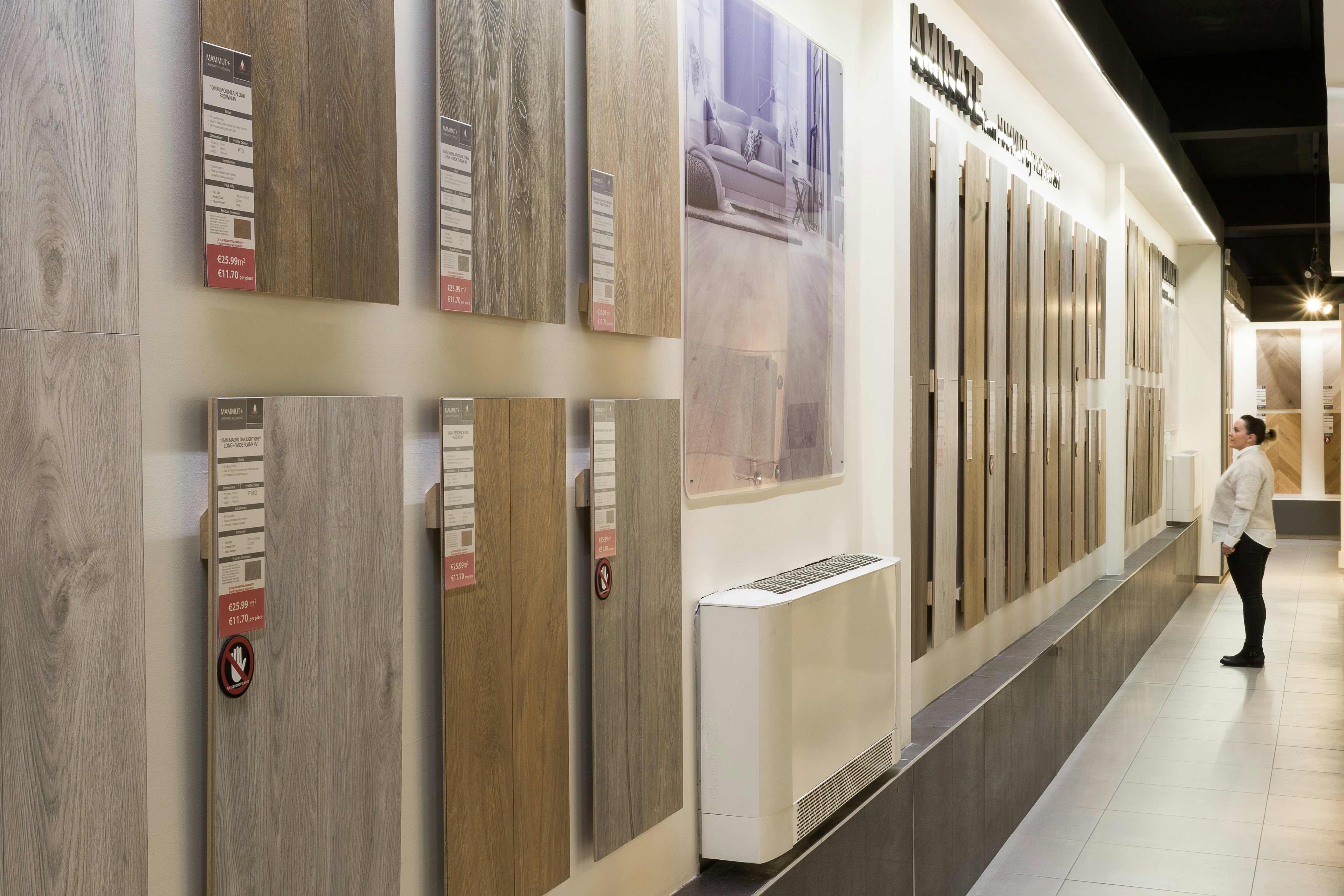
Laminate flooring is a versatile, budget-friendly alternative to natural wood. It is composed of a high-density fiberboard core, topped with a photographic layer that mimics the look of wood, and a durable wear layer for protection. Available in a wide variety of designs and finishes, laminate offers the appearance of real wood, making it appealing to a broad audience. Its resistance to scratches and moisture makes it particularly suitable for high-traffic areas or homes with pets.
Engineered hardwood, on the other hand, combines quality and performance. This type of flooring consists of real wood veneer on top of multiple layers of plywood or high-density fiberboard, offering stability and resilience. Unlike solid hardwood, engineered wood can be installed in areas with fluctuating humidity levels, such as basements or kitchens. The aesthetic appeal remains strong, as it utilizes genuine wood, providing a warm and luxurious feel to any space.
Solid hardwood flooring is the classic choice for homeowners seeking authenticity. Made entirely of hardwood, this flooring option boasts beauty and longevity, often increasing the value of a property. Solid hardwood floors can be refinished multiple times, allowing for restoration over the years. However, they are best suited for areas with controlled humidity levels, as excessive moisture can lead to warping or damage.
Each of these flooring types brings unique benefits and challenges, making it essential for homeowners to consider their lifestyle, budget, and design preferences when making a decision.
As we examine the installation costs for laminate, engineered hardwood, and solid hardwood flooring in 2026, it is important to consider both the material costs and the associated installation expenses. The cost per square foot significantly varies among these three types of flooring, each offering unique characteristics and pricing structures.
For laminate flooring, the installed cost ranges between $3 to $6 per square foot. This option is often selected for its affordability and ease of installation, making it popular for those on a moderate budget. Laminate flooring mimics the appearance of wood but is composed of synthetic materials, providing a practical solution with lower upfront costs.
In contrast, engineered hardwood flooring sees higher installation costs, estimated at $6 to $12 per square foot. This variety combines real wood veneer with plywood, offering enhanced durability and stability compared to solid hardwood. This makes engineered wood a favorable choice in environments where moisture is a concern, though it comes with a higher investment.
Solid hardwood flooring typically incurs the highest installation costs, ranging from $9 to $18 per square foot. The classic appeal and long-term value often justify this expense. However, the higher costs also reflect the material’s quality and the expertise required for installation, particularly in fitting planks that are thicker and heavier.
It is important to also consider additional costs that arise during installation. Underlayment is typically needed and costs between $0.30 and $0.80 per square foot. Transition strips, which connect different types of flooring, range from $14 to $35 each. Furthermore, basic tools required can add another $20 to the total expense. By evaluating the size and complexity of the room, these costs can accumulate, influencing the overall budget for the flooring project.
Evaluating Durability and Maintenance Costs
When considering flooring options such as laminate, hardwood, and engineered wood, it is crucial to evaluate their durability and maintenance costs over time. Each type of flooring presents unique characteristics that influence their longevity and upkeep.
Hardwood flooring, known for its timeless beauty, can provide significant durability when properly maintained. It is susceptible to scratches and dents, particularly in high-traffic areas. However, hardwood can be sanded and refinished multiple times throughout its life, allowing it to retain its charm for several decades. To keep hardwood floors looking pristine, regular cleaning and occasional refinishing are essential, which can be costly depending on the extent of wear.
Engineered wood flooring offers a solid middle ground between the aesthetic appeal of hardwood and the practicality of laminate. Composed of multiple layers, engineered wood is typically more resistant to moisture and humidity than solid hardwood. This characteristic makes it an excellent choice for areas prone to fluctuations in temperature and dampness, such as basements. Maintenance is relatively low; regular sweeping and occasional wet mopping will suffice. However, once the surface layer is worn down, repairs might require replacement of the individual planks, which can incur costs similar to that of hardwood.
In contrast, laminate flooring stands out for its affordable price and impressive resilience against scratches and stains. Its surface is designed to withstand heavy foot traffic, making it ideal for families and pets. Unfortunately, laminate cannot be refinished like hardwood or engineered wood, so once damaged, replacement is the only option. This can lead to increased long-term costs if the flooring needs to be replaced entirely due to significant wear and tear.
In summary, understanding the durability and maintenance needs of each flooring type is essential for making an informed decision when considering laminate, hardwood, or engineered wood options. Each has its strengths and weaknesses, which will affect both initial investment and long-term upkeep costs.
Conclusion: Choosing the Right Flooring for Your Home
When selecting the right flooring for your home, it is essential to reflect on numerous factors that align with your personal needs and circumstances. The decision should not solely be based on cost but also on lifestyle, aesthetic preferences, and the overall design of your home. Homeowners must take into account their budget, whether they have pets or children, and how each flooring option interacts with their daily lives.
Understanding the pros and cons of laminate, hardwood, and engineered wood flooring can significantly influence your decision-making process. Laminate flooring is often budget-friendly and highly versatile, making it an excellent choice for families due to its durability and ease of maintenance. However, it may lack the authenticity and warmth that hardwood can provide.
Hardwood flooring stands out for its timeless beauty and long lifespan. It can enhance the aesthetic appeal of any room and can often increase a home’s value. Yet, its higher cost and susceptibility to scratches and moisture may deter some homeowners.
Engineered wood flooring offers a middle ground between laminate and hardwood, presenting an appealing blend of affordability and authenticity. It tends to be more resistant to humidity than traditional hardwood but still reflects the wood’s natural beauty and grain patterns. Each option has distinct features that cater to varying lifestyles and personal tastes.
Ultimately, the right flooring option depends on your unique preferences and lifestyle requirements. By carefully considering your choices and weighing the various pros and cons, you can make an informed decision that not only meets your budgetary needs but enhances the ambiance of your home for years to come.
If you’re interested in purchasing the item you seek, please click the link for additional details: #americanachoice.
https://amzn.to/3SBN3Oy
AFFILIATE DISCLOSURE: I am an affiliate for this company, I am not a paid employee.
I may receive a commission if you click a link on this page and choose to purchase something.
You can rest assured I will only share things I believe in and will be valuable to you.