The home inspection felt reassuring. On the day it was performed, the furnace ran, the basement looked dry, the windows appeared intact, and no obvious structural concern demanded immediate attention. Then January arrived. Indianapolis winter brought weeks of biting temperatures, sharp wind, shifting humidity, and repeated freeze-thaw cycles. The house was no longer being observed during a short appointment; it was being asked to perform continuously, often through long nights when the heating system had little opportunity to rest.
The first warning was easy to dismiss. One upstairs room never seemed to become comfortable, even though the thermostat showed the correct setting. A draft appeared near a bedroom window at two in the morning, when the rest of the house was quiet enough to hear air moving through a gap. In the basement, a patch of moisture emerged after a rapid thaw, despite months of apparently dry conditions. Each discovery raised the same question: How could these problems have been missed?
In many cases, the answer is that a standard inspection is a snapshot, not a seasonal performance test. Inspectors generally evaluate visible and accessible conditions on one day, often in relatively moderate weather. They can identify signs of damage, improper installation, or deferred maintenance, but they cannot recreate weeks of subfreezing temperatures, wind pressure, indoor-outdoor humidity swings, and repeated expansion and contraction of building materials. A house may look sound and still respond poorly under sustained stress.
That distinction does not automatically mean the inspector was careless or that the property was fundamentally defective. It means some weaknesses are functional rather than immediately visible. Cold weather reveals heat-loss paths, pressure differences, drainage limitations, and heating demands that remain hidden during a brief visit. Even long-time homeowners can encounter unfamiliar symptoms after an unusually severe Indiana winter. The season tests the entire building as a system, exposing how walls, windows, insulation, mechanical equipment, and moisture control work together when conditions are least forgiving.
Indianapolis winter made the house’s uneven heating impossible to ignore. The thermostat could show a comfortable temperature while one bedroom corner remained cold enough to discourage sitting there. Floors near an exterior wall felt chilly underfoot, and the room above the garage required extra blankets even when the rest of the house felt normal. In a space above an unheated basement, porch, or garage, that discomfort can become especially noticeable because the floor and surrounding assemblies are exposed to colder surfaces.
A standard inspection may not reveal the cause. Insulation can be missing, compressed, or poorly fitted behind finished walls, while framing members can create thermal bridges that conduct cold through the building envelope. Air may leak around electrical outlets, baseboards, window trim, or poorly sealed attic penetrations. Ductwork serving a distant room can lose heat, and inadequate return-air circulation may prevent warm air from moving effectively. A thermostat installed in a warmer hallway can also shut down the system before colder rooms reach a comfortable temperature. These conditions often remain hidden during a brief visit conducted in mild weather.
The daily experience was practical rather than dramatic: repeatedly adjusting the thermostat, carrying blankets from room to room, and noticing that a single space never caught up. A comfort difference does not always indicate a serious defect, but frost or condensation on windows, persistent dampness on a wall, unusually high heating bills, or a room that stays substantially colder than adjacent areas deserves closer attention. Moisture and cold surfaces can signal air leakage or insulation problems that may eventually affect materials and indoor air quality.
During cold weather, homeowners can feel along trim, outlets, corners, and floor edges for drafts, then check whether registers deliver warm air and whether return grilles have clear airflow. A basic thermometer placed in several rooms can document meaningful temperature differences. Rather than assuming a new furnace will solve the problem, arrange an energy audit or request a targeted insulation, ductwork, and air-sealing assessment. Testing the building envelope and air movement can identify the actual source of the cold room and guide a more effective repair.
Two winter surprises began in the basement. During January, the room appeared to sweat: droplets formed on cold pipes, ductwork, portions of the walls, and the concrete floor. At first, I assumed this was simply an old-house problem. In reality, warm, humid indoor air was meeting cold surfaces, while moisture could also be moving through the masonry. Changing groundwater conditions, especially after freezing weather and thawing, added another possible source. None of these conditions had been apparent during the dry, mild inspection period.
Seasonal condensation is not automatically a structural emergency. However, musty odors, standing water, white efflorescence, visible mold, new cracks, or dampness that returns after snowmelt and rain deserve closer attention. The pattern matters as much as the location. A dehumidifier may control ordinary indoor humidity, while insulation around cold pipes, better air circulation, and sealed or ventilated areas can reduce condensation. Outside, I also needed to check whether grading directed water toward the foundation and whether downspouts discharged too close to the house. When the cause was unclear, a professional moisture diagnosis was more useful than guessing from a single wet spot.
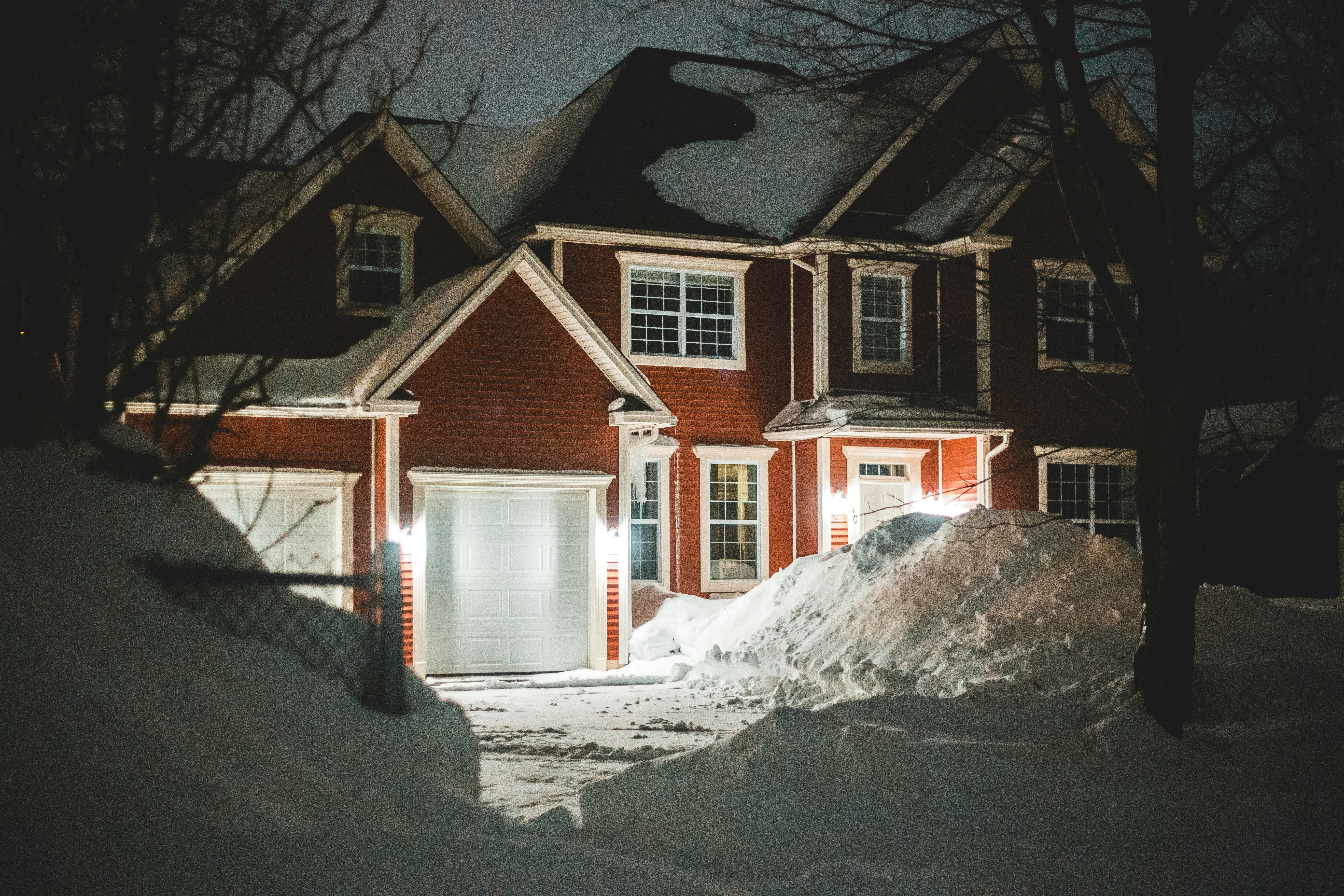
The garage door revealed a different weakness. In September, it looked properly closed and seemed to seal against the driveway. Once winter wind arrived, cold air entered along the bottom and side jambs. A worn bottom seal, small frame gaps, slight door misalignment, thin panels, or wind pressure can create substantial drafts without making the door visibly open. Visual condition had concealed seasonal performance.
The consequences extended beyond discomfort. Drafts raised heating costs, chilled the room beside the garage, and allowed snow or blowing moisture inside. In some homes, plumbing near an attached garage can also approach freezing temperatures. Replacing weather seals may solve a simple gap, but alignment, panel insulation, and surrounding framing may require further evaluation. January made these defects measurable in daily life, showing what a brief inspection could not: a house must be assessed not only for how it looks, but also for how its materials and systems respond to real weather.
Fall is the right time to use winter’s likely surprises as a preparation checklist. Before the first deep freeze, compare temperatures in every room, noting spaces that already feel colder than the rest of the house. Check attic insulation depth and ventilation, then seal penetrations around recessed lights, plumbing, and wiring. Inspect weatherstripping, test windows for drafts, and confirm that supply registers and return vents are unobstructed. Recording these observations creates a useful baseline for later comparison.
Basement and Water Protection
Walk the exterior before heavy rain and snow arrive. Clean and inspect gutters, verify that downspouts discharge well away from the foundation, and check grading for areas that direct water toward the house. Examine window wells, foundation walls, exposed pipes, and basement corners for condensation, staining, efflorescence, or evidence of previous water entry. Test the dehumidifier and sump pump before either becomes urgently necessary, and confirm that the backup plan, if one exists, is functional.
Garage, Utilities, and Safety
In the garage, inspect the door’s bottom seal and side seals, check alignment, and lubricate moving parts with the manufacturer-approved product. Look for drafts affecting water lines or rooms that share a wall with the garage, and protect vulnerable pipes where necessary. Disconnect outdoor hoses, protect exposed faucets, and locate the main water shutoff. Replace or check furnace filters, test carbon-monoxide detectors, and schedule HVAC service before peak demand makes appointments difficult.
Documenting What Winter Teaches
Photograph recurring problem areas and keep notes about dates, weather conditions, room temperatures, moisture, and utility bills. The first cold spell should be treated as a diagnostic opportunity rather than merely an inconvenience. These records can help distinguish isolated discomfort from patterns requiring insulation, air-sealing, drainage, or equipment work. A home inspection can identify visible defects, but seasonal preparation and attentive living reveal how a house actually performs.
If you’re interested in purchasing the item you seek, please click the link for additional details: #americanachoice.
https://amzn.to/3SBN3Oy
AFFILIATE DISCLOSURE: I am an affiliate for this company, I am not a paid employee.
I may receive a commission if you click a link on this page and choose to purchase something.
You can rest assured I will only share things I believe in and will be valuable to you.