Understanding the Types of Fencing Materials
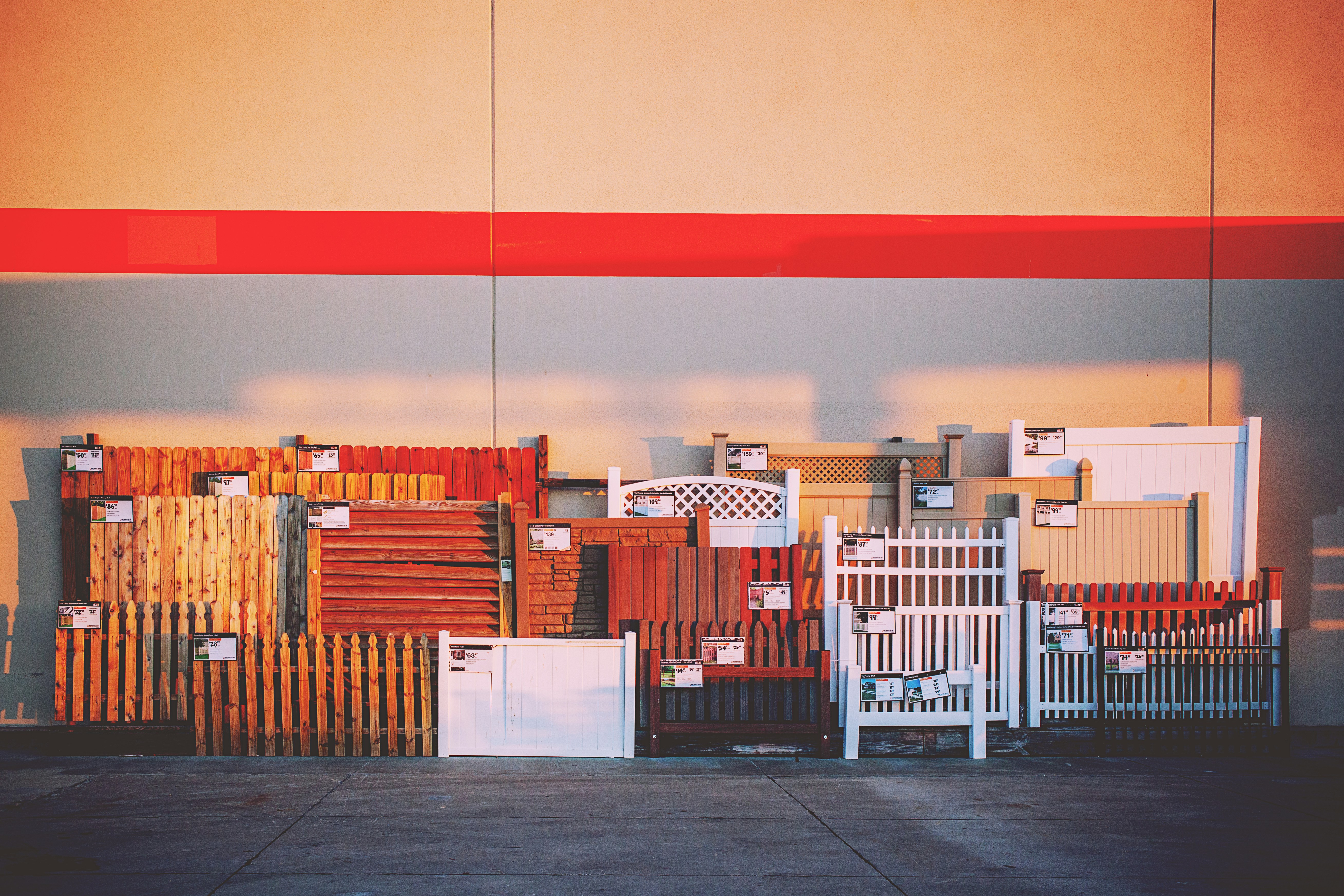
When considering the installation of a fence, it’s essential to understand the three primary materials commonly used: wood, vinyl, and aluminum. Each material has unique characteristics that cater to different aesthetic preferences, environmental conditions, and maintenance capabilities.
Wood fences are traditionally popular due to their classic appeal and versatility. They come in various styles and can be painted or stained to match individual preferences. However, wood requires regular maintenance to prevent rotting, warping, or insect infestations. Factors such as climate can significantly impact the longevity of wooden fencing, necessitating treatments or replacements over time. The initial cost may be lower than other materials, but the ongoing maintenance can add up, influencing the overall value in the long run.
In contrast, vinyl fencing has gained popularity due to its durability and low maintenance requirements. Resistant to issues like fading, rotting, and insect damage, vinyl is an excellent option for those seeking longevity. Available in various styles and colors, it can mimic the appearance of wood while eliminating the need for regular upkeep. However, its initial cost can be higher than wood, which may affect some homeowners’ budgets. Vinyl’s plastic composition, while enduring in most conditions, may not withstand extreme temperatures or impacts as well as wood or aluminum.
Finally, aluminum fencing stands out for its strength and resistance to corrosion, making it ideal for various environments, including coastal areas. It requires minimal maintenance and provides a modern aesthetic. However, its lack of privacy compared to wood and vinyl may be a disadvantage for some homeowners. The price point is generally higher than wood, but its durability can justify the investment over time.
Cost Breakdown for Each Fencing Material
The installation costs for fencing can greatly fluctuate based on the material selected. In 2026, wood, vinyl, and aluminum fences remain the most widely used options for property demarcation, each coming with distinct financial implications.
Wood fencing typically ranges from $18 to $28 per linear foot, which can make it an attractive initial investment for homeowners looking for a classic aesthetic. However, prospective buyers should consider the long-term costs associated with maintaining wood. This material is susceptible to rot, pests, and weathering, which may necessitate regular treatments or replacements. Thus, while the upfront cost is lower, over time, these maintenance expenses can accumulate, making wood potentially less economical.
In contrast, vinyl fencing has a price range of $24 to $38 per linear foot. This material is favored for its durability and low maintenance requirements, as it does not require painting or sealing. The initial outlay is slightly higher than wood, but vinyl’s resistance to fading, rust, and general wear may position it as a more cost-effective choice in the long run, especially for those intending to stay in their homes for many years.
Aluminum fencing, on the other hand, boasts costs of $26 to $40 per linear foot. While it is the most expensive of the three options upfront, aluminum is also known for its longevity and minimal maintenance needs. It does not chip or rust, offering a compelling argument for its inclusion in long-term property investment strategies. Therefore, although it may not have the lowest initial costs, the durability and resistance properties of aluminum fencing may yield savings down the line.
By analyzing these cost structures, homeowners can better understand which fencing material aligns with both their budget and their long-term financial goals.
DIY Savings and Tools Required for Installation
Homeowners looking to install a fence often consider a do-it-yourself (DIY) approach to save on costs. By undertaking the project oneself, homeowners can significantly reduce labor expenses, which can account for a substantial part of the overall installation budget. However, proper planning and investment in tools are essential for a successful outcome.
When installing a fence, several tools are required, each contributing to the project’s effectiveness and efficiency. Essential tools include a post-hole digger, which is vital for creating the holes needed for the fence posts. Depending on the type of fence being installed, a manual or powered post-hole digger may be suitable. The typical cost for a manual post-hole digger is around $30 to $50, while powered options can range from $150 to $500.
Concrete is another key material necessary for securing fence posts in the ground. Typically, about one bag of concrete is required for each post, with average costs ranging from $4 to $6 per bag. Additionally, cap rails may be needed for certain fence styles, which can cost approximately $1 to $3 per linear foot, based on the type and material chosen.
To maximize savings, homeowners should consider purchasing materials in bulk, as many suppliers offer discounts for larger orders. Additionally, it is wise to shop around for the best prices on tools and materials, potentially utilizing both online and local retailers. Carrying out the installation during off-peak seasons, when demand is lower, can also lead to further savings on material costs.
In summary, opting for a DIY fence installation can lead to considerable savings for homeowners. By investing in the necessary tools and materials wisely and employing strategic purchasing and planning tactics, individuals can effectively manage their budget while enhancing the aesthetics and value of their property through well-installed fencing solutions.
Conclusion: Choosing the Right Fence for Your Needs
When it comes to selecting the right type of fencing for your property, it is pivotal to consider several integral factors that align with your specific interests and needs. Wood, vinyl, and aluminum fences each present distinct advantages and disadvantages, collectively influencing your final choice.
Initially, while the upfront cost is a significant aspect, a wise decision must encompass a broader perspective of long-term costs. For instance, wood fencing may present a lower initial price point but often necessitates more frequent maintenance due to its susceptibility to weather conditions and pests. Conversely, though vinyl fences may involve a higher initial investment, their longevity and low maintenance characteristic can deem them cost-effective in the long run. Aluminum fences, while typically the most expensive, are known for their durability and minimal upkeep, appealing to homeowners seeking a solution that offers both aesthetic appeal and resilience.
Furthermore, it is essential to evaluate your property’s specific requirements, including factors such as desired privacy, security needs, and local climatic conditions. Depending on these variables, your choice might differ significantly. For example, if you prioritize privacy, investing in a solid wood fence might suit you better than a wrought iron or aluminum option. On the other hand, if longevity and minimal maintenance are your primary concerns, aluminum or vinyl may be more suitable.
Ultimately, selecting the perfect fence for your property hinges on balancing initial cost, maintenance requirements, durability, and aesthetic preference. Taking the time to evaluate each fencing option will aid in making an informed decision that enhances both your property’s functionality and beauty.
If you’re interested in purchasing the item you seek, please click the link for additional details: #americanachoice.
https://amzn.to/3SBN3Oy
AFFILIATE DISCLOSURE: I am an affiliate for this company, I am not a paid employee.
I may receive a commission if you click a link on this page and choose to purchase something.
You can rest assured I will only share things I believe in and will be valuable to you.