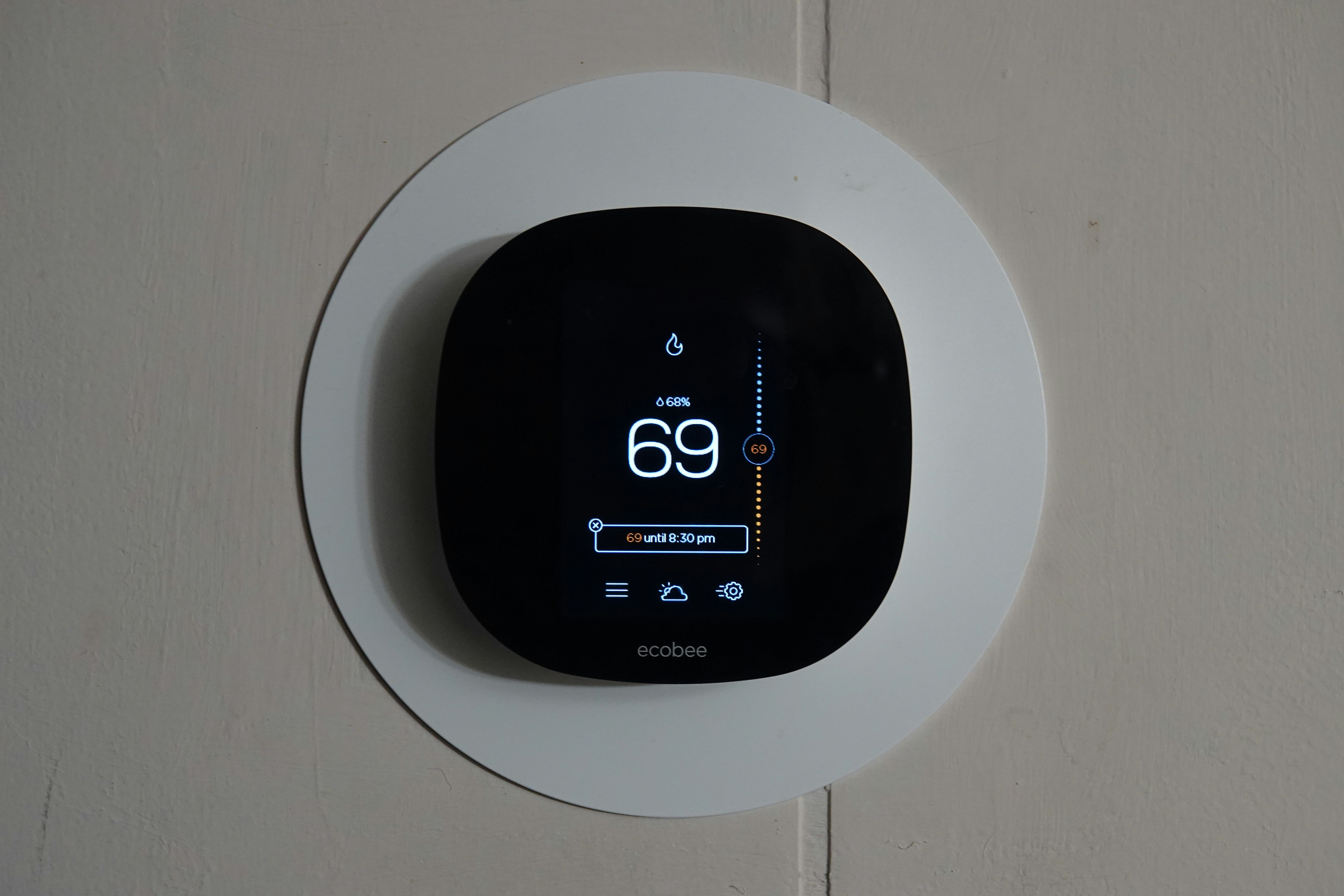
The thermostat conflict is a familiar scenario in many households, particularly for couples living in areas with fluctuating temperatures, such as Indianapolis. One primary reason for disagreement lies in the differing temperature preferences of each partner. Research indicates that individuals have varying thermal comfort levels, which can stem from factors like age, gender, and personal experiences. For instance, some individuals might prefer a cooler environment while others feel more comfortable in warmer settings. These differing preferences can lead to persistent conflicts over the thermostat settings, creating tension in what should be a shared living space.
Another dimension of the thermostat conflict involves the influence of gender roles. Societal norms often dictate how men and women perceive temperature comfort. Studies suggest that women tend to prefer warmer environments compared to men. This discrepancy can lead to discussions or arguments over which temperature setting is optimal. By understanding these underlying gender dynamics, couples can approach the thermostat debate with more empathy and awareness, leading to more constructive conversations regarding comfort.
The psychological impacts of climate control also play a significant role in thermostat disagreements. Temperature can significantly affect mood and productivity, so the stakes are higher when a partner feels uncomfortable due to a less-than-ideal setting. Furthermore, the seasonal weather patterns in Indianapolis, characterized by cold winters and hot summers, can exacerbate these disputes. For instance, during freezing winter months, the conflict may revolve around maintaining warmth while still being energy-efficient, leading to further arguments.
In essence, understanding the various dimensions of the thermostat conflict, including individual preferences, gender dynamics, and psychological aspects, is crucial for couples navigating these common disagreements. Recognizing the root causes can pave the way for finding mutually agreeable solutions that enhance both partners’ living comfort.
Communication is Key: Setting Ground Rules
In any relationship, effective communication plays a fundamental role, especially when it comes to shared living environments and personal comfort. The thermostat, often a source of contention, can be effectively managed through open dialogue between partners. Establishing clear communication about temperature preferences is essential for maintaining harmony within the home.
To initiate this process, couples should create a routine that involves discussing temperature settings. This can be achieved by setting specific times each week dedicated to evaluating comfort levels. During these discussions, partners should express their needs and preferences without interruption, ensuring that both voices are heard. Understanding that each individual may have different tolerances for heat or cold is important, as it fosters empathy and collaboration.
Additionally, couples can benefit from drafting mutually agreed-upon temperature guidelines. For instance, determining a baseline thermostat setting that accommodates both individuals’ needs, and selecting acceptable times for making adjustments can help in reducing disputes. When one partner prefers a cooler environment during certain hours, scheduling those adjustments in advance can make a significant difference in overall comfort.
A vital aspect of this communication process involves compromise. Couples should recognize that flexibility is essential; neither partner will always get their ideal temperature. It can be helpful to alternate between preferred settings or establish a compromise temperature that is acceptable for both. By approaching thermostat disagreements as a team, partners can foster a collaborative spirit, where both feel valued and understood.
In conclusion, establishing ground rules through open communication regarding thermostat settings can lead to a more peaceful coexistence. By creating schedules, understanding each other’s preferences, and committing to compromise, couples in Indianapolis can navigate the great thermostat war with greater ease and satisfaction.
Creative Solutions for Compromise
In the realm of temperature control, couples often find themselves at an impasse regarding thermostat settings. However, several creative solutions can facilitate a harmonious living environment, allowing both partners to feel comfortable. One of the most effective approaches is the implementation of smart thermostats. These sophisticated devices can learn individual preferences over time and adjust the home’s temperature accordingly. They allow for remote control through smartphones, enabling each partner to set their comfort levels even when away from home.
Another innovative method is the use of zoning systems within a household. This technology divides a home into different zones, each with its own temperature control. By investing in zoning systems, couples can ensure that individual rooms reflect personal preferences. For example, if one partner prefers a cooler bedroom while the other enjoys warmth in the living room, zoning can accommodate these differences effectively, fostering a more peaceful atmosphere.
Layering clothing also serves as a practical, non-technical solution to navigate thermostat disputes. If one partner feels too warm, the other can opt to wear light clothing, while the cooler partner can add layers for extra warmth. This simple adjustment can make a significant difference in personal comfort without necessitating constant adjustments to the thermostat. Additionally, couples should consider utilizing blankets or throws in shared spaces, allowing each individual to customize their warmth without altering the overall temperature of the room.
Personalizing the comfort experience can also involve strategic placement of furniture and the use of fans or heaters in specific areas to cater to individual needs. By leveraging these creative solutions, couples in Indianapolis can effectively resolve thermostat disputes, enhancing their collaborative living environment while ensuring both partners maintain a sense of comfort.
When to Seek Help: Professional Guidance and Resources
In the often heated debates over thermostat settings, couples may find themselves facing persistent conflicts that neither partner can resolve. While small disagreements are a common aspect of shared living, larger issues can strain relationships and impact overall harmony in the home. It is essential to recognize when these thermostat disputes have escalated to a level that requires external intervention. Seeking professional guidance can provide valuable insights and strategies to restore balance.
Couples therapy is one potential avenue for support. A trained therapist can help partners navigate deeper underlying issues that contribute to their disagreements. Such conflicts are often about more than just temperature preferences; they may reflect broader issues of control, respect, and communication. Engaging with a professional can facilitate healthier discussions, allowing couples to express their feelings and needs in a constructive manner. Additionally, workshops focused on conflict resolution can equip partners with tools and techniques to better manage disagreements in all aspects of their relationship.
Furthermore, consultations with HVAC professionals may also be beneficial. If temperature regulation is a contributing factor to the conflict, an expert can assess the efficiency of the current heating and cooling system. Recommendations for improvements or adjustments may resolve ongoing frustrations regarding the home climate, thus alleviating some of the tension between partners. In Indianapolis, resources such as local counseling centers and workshops are available to couples seeking assistance in resolving thermostat-related conflicts.
Ultimately, recognizing the need for help is a significant step toward nurturing a harmonious living environment. By addressing both relational dynamics and practical home management issues, couples can foster cooperation and mutual respect, ultimately enhancing their overall relationship satisfaction.
If you’re interested in purchasing the item you seek, please click the link for additional details: #americanachoice.
https://amzn.to/3SBN3Oy
AFFILIATE DISCLOSURE: I am an affiliate for this company, I am not a paid employee.
I may receive a commission if you click a link on this page and choose to purchase something.
You can rest assured I will only share things I believe in and will be valuable to you.