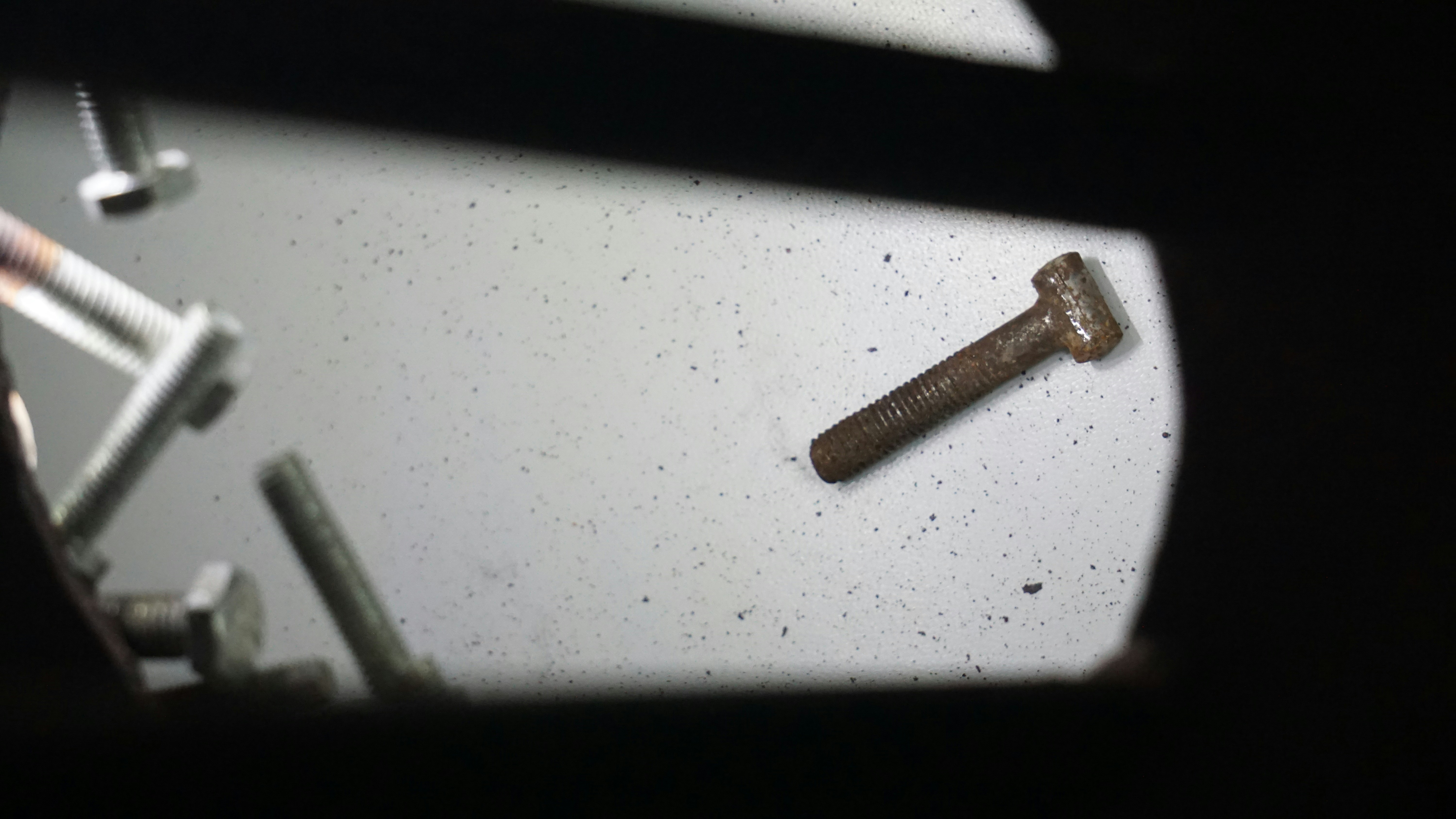
The Mystery of the Vanishing Screws
Every household has experienced the vexing phenomenon of losing screws. These small yet crucial components, often hiding in plain sight or vanishing altogether, can cause considerable frustration for homeowners and professionals alike. Screws are indispensable in various applications, from securing furniture pieces together to ensuring the proper functioning of intricate electronic devices. Despite their simplicity, the role screws play in our daily lives cannot be overlooked.
As we assemble furniture or diagnose malfunctioning gadgets, the realization dawns that losing even a single screw can derail our efforts. It becomes a source of irritation that stems not only from the inconvenience of interruption but also from the puzzling question: Where do these tiny parts go? Are they spirited away by mischievous forces or simply misplaced amid the clutter of everyday life? This dilemma invites curiosity and speculation, urging us to seek answers to the mystery of the vanishing screws.
In an array of settings, screws fulfill both functional and aesthetic purposes. Their absence can lead to structural weaknesses in furniture, mechanical failures in devices, and an increase in waste as items become irreparable. Thus, the significance of understanding the whereabouts of lost screws becomes increasingly pertinent. Unraveling the secrets behind their disappearance will not only alleviate the frustration associated with searching for replacements but also contribute to a wider understanding of maintenance practices in various environments.
Through this exploration of the phenomenon, we invite readers to join us in uncovering the hidden lives of lost screws, taking into account their vital role and the various scenarios that lead to their unforeseen disappearance. With this investigation, we aim to shed light on a seemingly trivial yet ubiquitous problem that resonates with many.
The Journey of a Screw: From Installation to Disappearance
The life cycle of a screw begins with its installation, carefully placed to secure components together. However, despite the initial intention of permanence, a screw’s journey often leads to an unforeseen disappearance. Various factors contribute to this unfortunate fate, starting with the moment it is introduced into a project.
Consider the case during assembly; screws can easily slip from grasp and fall onto surfaces. In these instances, the screw may roll or bounce away, hiding itself in seams or under furniture. This is particularly common during home improvement projects where numerous screws are used, increasing the chance of misplacement. Once a screw has fallen, it may blend into the environment, making it challenging to locate.
Moreover, screws are vulnerable to dislodgment over time due to environmental factors such as vibrations and thermal expansion. For example, screws embedded in wooden furniture can shift with changes in humidity and temperature, leading to their eventual loosening. Similarly, screws in machinery may become loose from regular operational vibrations. Such wear and tear contribute significantly to their unexpected loss.
Common environments for screw disappearance include workshops, garages, and construction areas. In these chaotic spaces, screws can easily be knocked off surfaces or forgotten amidst tools and equipment. Moreover, with the propensity for screws to roll out of sight, workers may find it challenging to keep track of all components during a project. This phenomenon not only highlights the transient nature of screws but also serves as an invitation to reconsider how we manage and store these small, yet essential hardware items.
Common Places Screws Go: The Hidden Havens
Despite their small size, screws possess a remarkable ability to disappear into an array of unlikely locations. One of the most common places where screws find refuge is beneath furniture such as couches, beds, and cabinets. These screws often slip from the hands of users during assembly, falling silently to the floor for eternity. The crowded spaces below heavy furniture can easily obscure these screws from sight, leading to a prolonged period of loss.
Another common hiding spot for lost screws is between floorboards. It is not unusual for screws to fall and become lodged in the gaps between the wooden slats of flooring. In homes with aging or uneven floors, the chances of screws becoming trapped elevate significantly. In such scenarios, screws can remain hidden indefinitely, only to be discovered years later during renovations or repairs.
In addition to these physical locations, screws can also end up inside walls, particularly during construction or repair projects. When a screw is mistakenly dropped, it may fall into wall cavities, becoming inaccessible. This not only complicates future repairs but may also lead to unsightly holes or the need for wall reconstruction.
Moreover, screws are susceptible to disappearing into appliances, especially when they are being repaired. Such devices are often disassembled for maintenance, and screws can roll away or drop into obscure areas, making retrieval difficult.
Interestingly, screws behave differently in various environments. In outdoor settings, screws might be exposed to elements such as wind, rain, and animals, increasing the likelihood of being scattered to even more unpredictable locations. Conversely, screws in indoor areas remain sheltered; however, the potential for ventilation systems or hidden crevices can create equally elusive circumstances for lost screws.
Preventing Screw Loss: Tips and Tools to Keep Track
Screws may appear small and inconsequential, but their loss can lead to frustrations during DIY projects. To minimize the chances of losing screws, implementing effective strategies and utilizing the right tools is essential. This section outlines practical tips and tools that can aid in keeping screws organized and secure.
One of the most effective ways to prevent screw loss is to use a magnetic tray during assembly or repair projects. A magnetic tray not only securely holds screws in place but also keeps them easily accessible. It can be placed close to your workspace, ensuring that any screws removed can be readily returned to their designated spot.
Another innovative solution is a screw organizer, which often comes with labeled compartments for different screw types and sizes. These organizers help categorize screws, making it easier to find specific screws when needed, while also reducing the likelihood of misplacing them. Consider investing in a portable storage box with individual sections that can keep screws sorted and secure.
Best practices during project execution involve preparing your workspace. It is advisable to work in a designated area where tools and materials are organized. Avoid clutter and try to keep screws contained in their toolboxes or trays until they are ready to be used. When working on projects that require multiple screws, keep a checklist to ensure that all screws are accounted for before wrapping up the task.
Lastly, cultivating a habit of regularly checking your tools and screws at the end of each project is essential. Implementing these tips and using organizational tools will empower DIY enthusiasts to confidently tackle projects without the constant worry of losing screws along the way.
If you’re interested in purchasing the item you seek, please click the link for additional details: #americanachoice.
https://amzn.to/3SBN3Oy
AFFILIATE DISCLOSURE: I am an affiliate for this company, I am not a paid employee.
I may receive a commission if you click a link on this page and choose to purchase something.
You can rest assured I will only share things I believe in and will be valuable to you.