Exterior paint repairs are unusually time-sensitive in Indianapolis in mid-October because paint needs suitable conditions not only while it is applied, but also while it cures. Many standard exterior paints specify a minimum application temperature of 50°F. If temperatures drop below the product’s stated limit, the coating may not form or adhere as intended, which can undermine protection and shorten its life. Always check the label for the specific paint’s requirements.
Indianapolis’s 10-year average typically falls below the 50°F threshold sometime around October 12–18. That timing makes a warm spell this week a possible last practical opportunity for small exterior touch-ups before spring. It is a seasonal planning guide, not a guarantee about current or future weather: temperatures vary from year to year, and a mild afternoon alone does not ensure suitable painting conditions.
Before starting, check both the daytime high and overnight low, along with the forecast during the paint’s application and curing period. Some products require temperatures to remain above their minimum for a specified number of hours after application. Follow the manufacturer’s instructions, and postpone the work if conditions are outside the stated range. Surfaces may also be colder than the air, especially in shade, so assess the area rather than relying on a single weather reading.
Exposed, unpainted wood trim is worth particular attention before winter. When its protective coating is absent, wood can absorb moisture from rain, snow, and damp air. Repeated wetting and drying may cause it to swell and crack, leaving more pathways for water and contributing to peeling or broader deterioration. A timely touch-up on sound, bare wood can help limit exposure through the colder months.
Keep the scope realistic: a small preventive repair is not a substitute for replacing rotten wood, correcting underlying moisture problems, or repainting a surface where the coating has broadly failed. Inspect first, address sound areas within the weather window, and plan more substantial repairs when conditions allow.
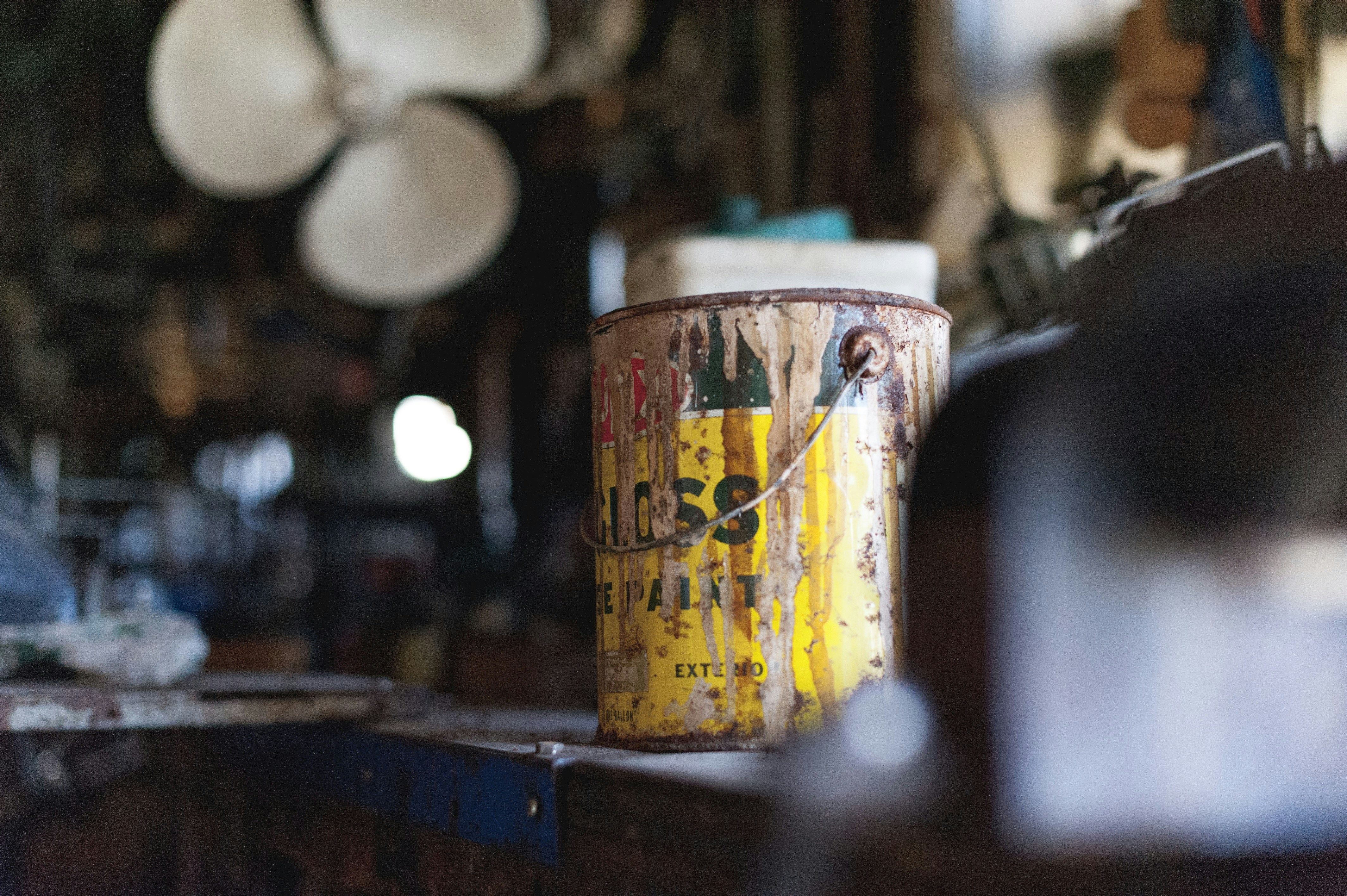
For exterior paint repairs before Indiana’s first freeze, select coatings designed for outdoor exposure and the surface being repaired. Once properly applied and fully cured, a suitable exterior coating should tolerate local moisture and repeated freeze-thaw cycles. Standard exterior latex paint is generally appropriate for compatible, previously painted wood, siding, and trim. Premium exterior formulations may provide added durability or improved resistance to fading and moisture, but a higher price or broad marketing claim does not guarantee suitability for a particular repair.
Read the product label and technical instructions before buying. The stated application-temperature range, required drying conditions, and curing time matter more than claims that a paint is “all-weather” or ideal for late-season work. Some cold-weather touch-up paints allow application at temperatures as low as 40°F, making them a possible option when daytime conditions are marginal. That rating is not permission to paint in any cold weather: the surface itself must meet requirements, and drying and overnight-temperature instructions still apply. Avoid application when rain, dew, or a sharp temperature drop could interfere with adhesion or curing.
For gaps around trim, windows, and siding, choose caulk rated for exterior use and for the material involved. Silicone products can offer flexibility and water resistance where compatible, but check paintability before purchase; some silicone caulks cannot be painted, which may leave a visible mismatch beside painted surfaces. Confirm that the sealant is suitable for the intended joint and follow its temperature and curing directions, too.
Before applying either product, clean away dirt, loose paint, and mildew as appropriate, then allow the substrate to dry thoroughly. Match the existing color and sheen, since even a close color match can look different in flat, satin, or gloss finishes. If the old coating is weathered, a small test on an inconspicuous area can reveal differences in color, adhesion, or appearance. These checks help determine whether the chosen materials will blend well and withstand the coming season.
For Indianapolis homeowners planning exterior paint repairs before the first freeze, a small touch-up may cost far less than repainting a door and its surrounding trim. These planning ranges reflect common local expenses in 2026, but actual prices vary by brand, retailer, surface condition, and project size. They are estimates, not contractor quotes, and material needs depend on how much paint the repair requires.
Exterior latex paint generally costs about $28–$55 per quart, while premium exterior paint is approximately $38–$68 per quart. Exterior caulk runs roughly $6–$12 per tube, and a touch-up brush kit typically costs $8–$18. For surface preparation, a pressure-washer rental may be around $45–$65 per day. Light dirt may require no rental at all: a garden hose and brush can be adequate. If using a pressure washer, choose a gentle setting and keep the spray from forcing water behind siding or damaging existing paint.
With basic supplies and limited preparation, a typical small touch-up project may total roughly $45–$120. Repainting a door and trim can fall in the $80–$200 range, depending on paint selection and the amount of preparation needed. An Indianapolis professional painter’s day rate is approximately $300–$500, plus materials; a short job may still be subject to minimum charges or scheduling costs.
Several factors can push a project above these ranges. Multiple colors may require extra paint and careful masking, while extensive scraping adds labor and preparation time. Damaged wood may need repair or replacement before painting, and hard-to-reach trim can require ladders, additional equipment, or more work hours. Hiring labor also raises the total compared with doing the work yourself. Assess the surface before buying supplies, and ask contractors to specify preparation, repairs, materials, and labor in their estimates. Addressing small failures while conditions remain suitable can help limit the scope of repairs before colder weather arrives.
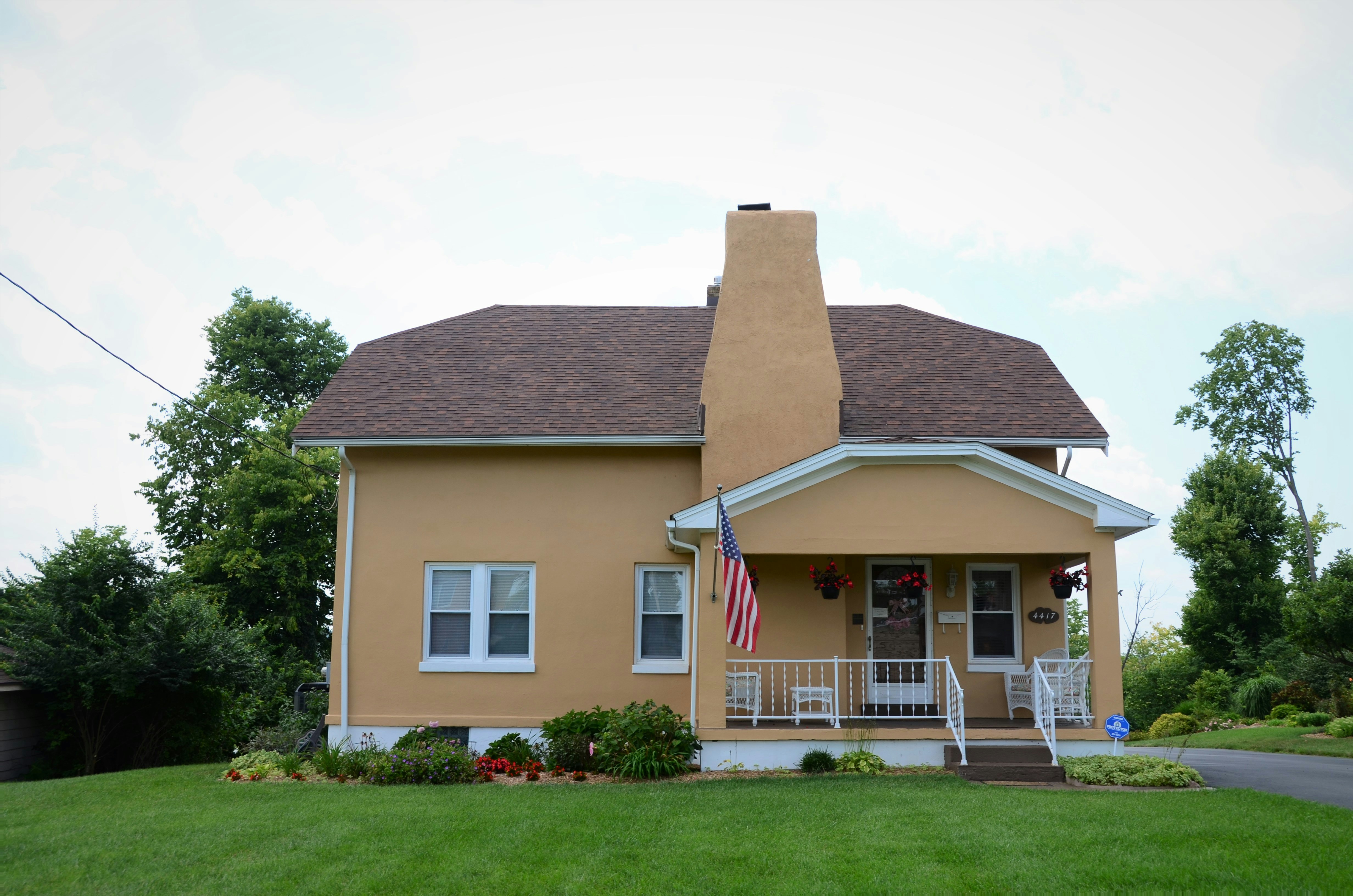
Before starting, check the forecast and choose a dry, mild stretch that leaves enough time for paint to dry before evening temperatures fall. Inspect exterior trim, doors, window casings, and other exposed painted wood. Look for peeling edges, bare patches, cracked or missing caulk, and areas where water may have entered. Keep the repair narrow: a half-day touch-up is appropriate for localized defects, not widespread coating failure or damaged wood.
Clean the repair area to remove dirt, dust, and loose debris, then allow it to dry fully. Wear eye protection when scraping or sanding, and use a stable ladder on firm, level ground; do not overreach. Scrape away only coating that is loose, taking care not to disturb sound paint. Prepare exposed surfaces as directed on the paint label, including any required sanding or priming. Maintain ventilation, especially when working near doors or windows.
Where compatible joints have failed, apply exterior caulk suitable for the materials and location. Follow its label for application conditions and cure time before painting. Once the surface and caulk are ready, use the correct exterior paint and apply a small, even coat, feathering the edges where practical. Avoid painting damp, frosty, or cold surfaces, and do not assume that a mild afternoon guarantees suitable conditions later in the day.
Use this go/no-go check before opening the paint: confirm the label’s minimum application temperature and ensure both the surface and air meet it. Allow enough drying and curing time before colder nights or precipitation, following the manufacturer’s instructions. If the standard 50°F threshold cannot be met, consider a product specifically labeled for application at 40°F only if its full instructions and the forecast support the work. If conditions fall outside the product’s limits, postpone the repair. Protect exposed areas temporarily from moisture and schedule painting for spring rather than risking a coating that may fail.
If you’re interested in purchasing the item you seek, please click the link for additional details: #americanachoice.
https://amzn.to/3SBN3Oy
AFFILIATE DISCLOSURE: I am an affiliate for this company, I am not a paid employee.
I may receive a commission if you click a link on this page and choose to purchase something.
You can rest assured I will only share things I believe in and will be valuable to you.