Importance of Safety Features in Power Tools
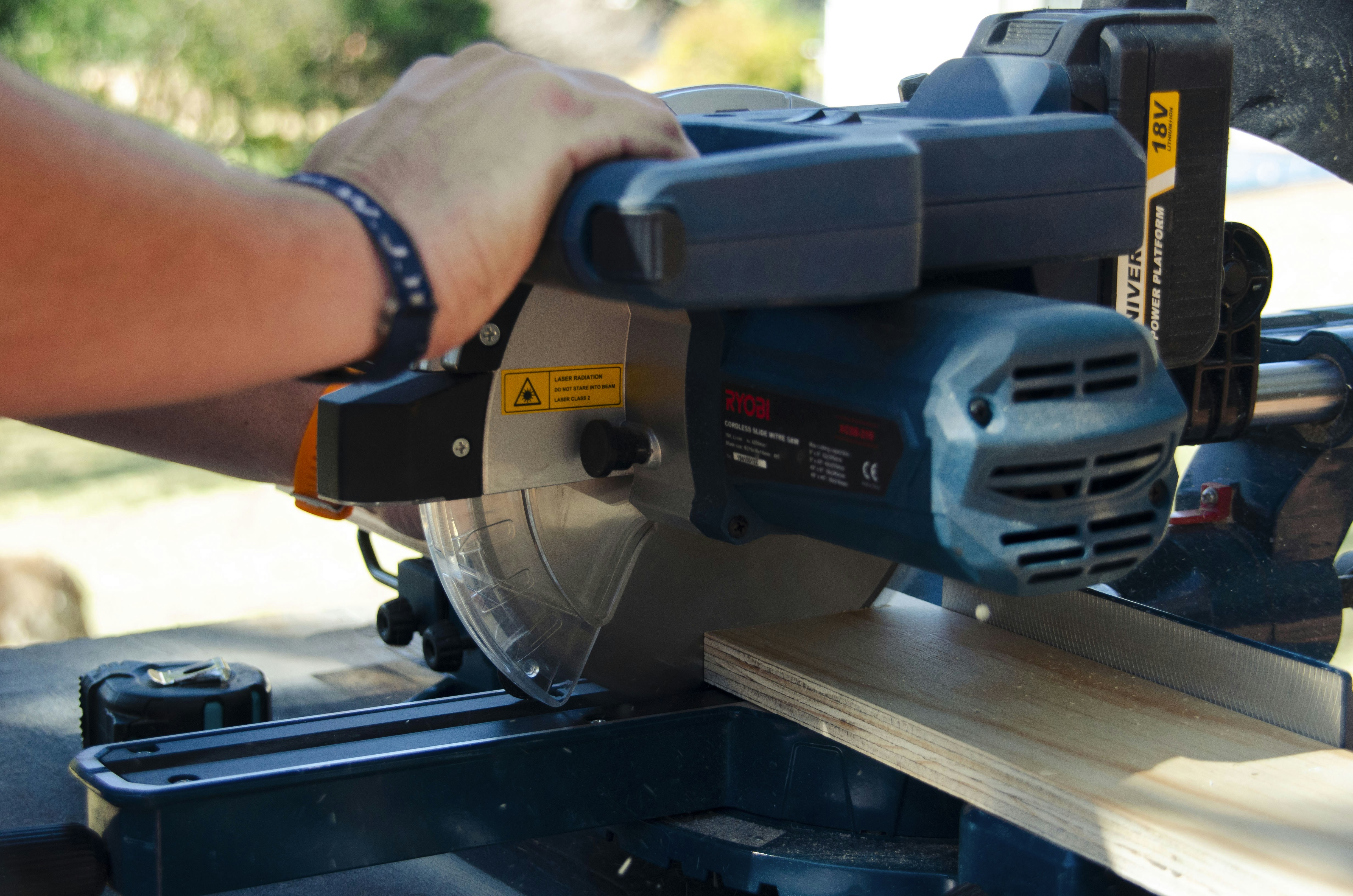
When selecting power tools, it is imperative for homeowners to prioritize safety features. Many individuals tend to overlook these critical components, which can lead to severe accidents and injuries. Common safety features include blade guards, emergency shut-off switches, and ergonomic designs aimed at reducing physical strain during use. Ignoring these features poses significant risks; thus, understanding and evaluating them is essential.
Blade guards, for instance, are designed to shield users from accidental contact with rotating parts, significantly reducing the risk of cuts or other injuries. Similarly, emergency shut-off switches provide a quick way to stop tool operations in the event of an emergency. Notably, ergonomic designs not only improve comfort but can also minimize the chances of repetitive strain injuries. Homeowners should thus carefully assess whether power tools come equipped with these essential features.
To ensure adequate safety standards, it is advisable to check for safety ratings and certifications when purchasing power tools. Various organizations, such as the American National Standards Institute (ANSI) and Underwriters Laboratories (UL), evaluate and endorse products based on their safety performance. Familiarizing oneself with these ratings can provide valuable insights into the reliability and safety of the tools in question.
Moreover, homeowners should read user reviews and expert recommendations to gauge real-world experiences regarding the safety of specific power tools. Conducting thorough research can reveal commonly reported safety issues and help forecast possible concerns. Ultimately, by prioritizing safety features, homeowners not only protect themselves but also foster a culture of responsible tool usage that enhances their overall woodworking or repair experiences.
One common oversight that many homeowners make is choosing the wrong tool for specific projects. This can result in inefficient work, poor outcomes, or even damage to materials and structures. Each power tool is designed with particular tasks in mind, and using an unsuitable tool can lead to frustration and a significant waste of time and effort.
When assessing tools, it is essential to consider the nature of the home improvement task at hand. For instance, if a homeowner needs to drill into concrete, using a standard drill might not suffice. Instead, a hammer drill or rotary hammer would be more appropriate for effectively penetrating tough surfaces. This highlights the necessity of understanding the project requirements and selecting corresponding power tools.
Additionally, feature evaluation is crucial in the selection process. Homeowners should note aspects such as power ratings, speed settings, and ergonomics when choosing their tools. A higher wattage may be ideal for heavier-duty tasks, while variable speeds can provide more control for detailed work. Ergonomics should not be overlooked, as a comfortable grip can prevent fatigue during extended use.
Before making a purchase, conducting thorough research can help identify the most suitable tools. Reading reviews or seeking recommendations from professionals in the field can provide insights into the performance and longevity of specific models. Furthermore, if unsure of which tool to use, homeowners can seek advice from knowledgeable staff at local hardware stores who can suggest appropriate options based on the task requirements.
To sum up, selecting the right tool is pivotal to the success of home improvement projects. By understanding the specific requirements of the task and carefully evaluating tool features, homeowners can avoid common pitfalls and ensure their projects run smoothly and efficiently.
Focusing Solely on Price
One of the most significant mistakes homeowners make when selecting power tools is prioritizing price over quality. It is common to encounter an array of affordable options in the marketplace, which may appear to be an attractive solution for budget-conscious individuals. However, these lower-priced tools often lack the durability and reliability needed for effective performance. Consumers tend to overlook the correlation between the price of power tools and their long-term utility.
When homeowners choose cheaper tools, they might save money upfront, but they often face hidden costs in the form of frequent replacements or repairs. In contrast, investing in higher-quality power tools may seem a more considerable expense initially, but these tools usually withstand the test of time, ultimately proving to be more cost-effective. Durable tools minimize the need for replacements, which can lead to significant savings over the years.
Moreover, quality power tools are designed with advanced features that enhance performance and facilitate smoother operations. They are often built with better materials, ensuring they can handle the demands of various tasks without the risk of malfunction. Thus, homeowners can complete projects more efficiently, leading to better results and increased satisfaction.
Balancing budget considerations with tool quality is essential. Homeowners should conduct thorough research to find reputable brands known for their performance, reliability, and warranty offerings. Instead of solely focusing on initial costs, consider the long-term benefits of investing in quality power tools. This balanced approach enables homeowners to choose tools that will not only serve their immediate needs but also support ongoing projects for years to come.
Neglecting Maintenance and Care
One of the most critical mistakes homeowners make when using power tools is neglecting their maintenance and care. Regular upkeep not only ensures optimal performance but also significantly extends the lifespan of the tools. Many homeowners underestimate the importance of a structured maintenance routine, often leading to tool malfunction and reduced efficiency over time.
To avoid such pitfalls, homeowners should establish a routine maintenance schedule tailored to the specific requirements of their power tools. One essential task is regular cleaning. Dust and debris can accumulate, affecting the tool’s performance. After each use, homeowners should clear any residues and contaminants to prevent buildup that might hinder operation.
Additionally, lubrication is paramount. Many power tools require periodic oiling to keep moving parts functioning smoothly. Referring to the manufacturer’s guidelines can provide clear instructions on which parts need lubrication and the appropriate type of oil to use. Failure to lubricate parts can lead to increased friction and ultimately, costly repairs or replacements.
Proper storage is another vital aspect of tool maintenance. Storing power tools in a damp or excessively humid environment can lead to rust and corrosion. Homeowners should aim to store tools in dry, temperature-controlled areas, preferably in their original cases or designated toolboxes. This protection helps mitigate damage from environmental factors.
Reading the manufacturer’s guidelines is essential in understanding the specific needs of each power tool. These guidelines typically contain valuable advice on both everyday maintenance practices and any intricate care that might be required. Implementing a thorough maintenance schedule not only enhances the tool’s effectiveness but significantly reduces the likelihood of malfunctions, paving the way for a smoother and more efficient home improvement experience.
If you’re interested in purchasing the item you seek, please click the link for additional details: #americanachoice.
https://amzn.to/3SBN3Oy
AFFILIATE DISCLOSURE: I am an affiliate for this company, I am not a paid employee.
I may receive a commission if you click a link on this page and choose to purchase something.
You can rest assured I will only share things I believe in and will be valuable to you.