Understanding Pressure Washers and Their Applications
Pressure washers are essential tools designed for cleaning various surfaces by utilizing high-pressure water spray. They are particularly effective in removing dirt, grime, mold, and other debris from surfaces such as siding, decks, driveways, and patios. By using the right pressure and appropriate nozzle attachments, users can achieve effective cleaning results while minimizing the risk of damage to the underlying materials.
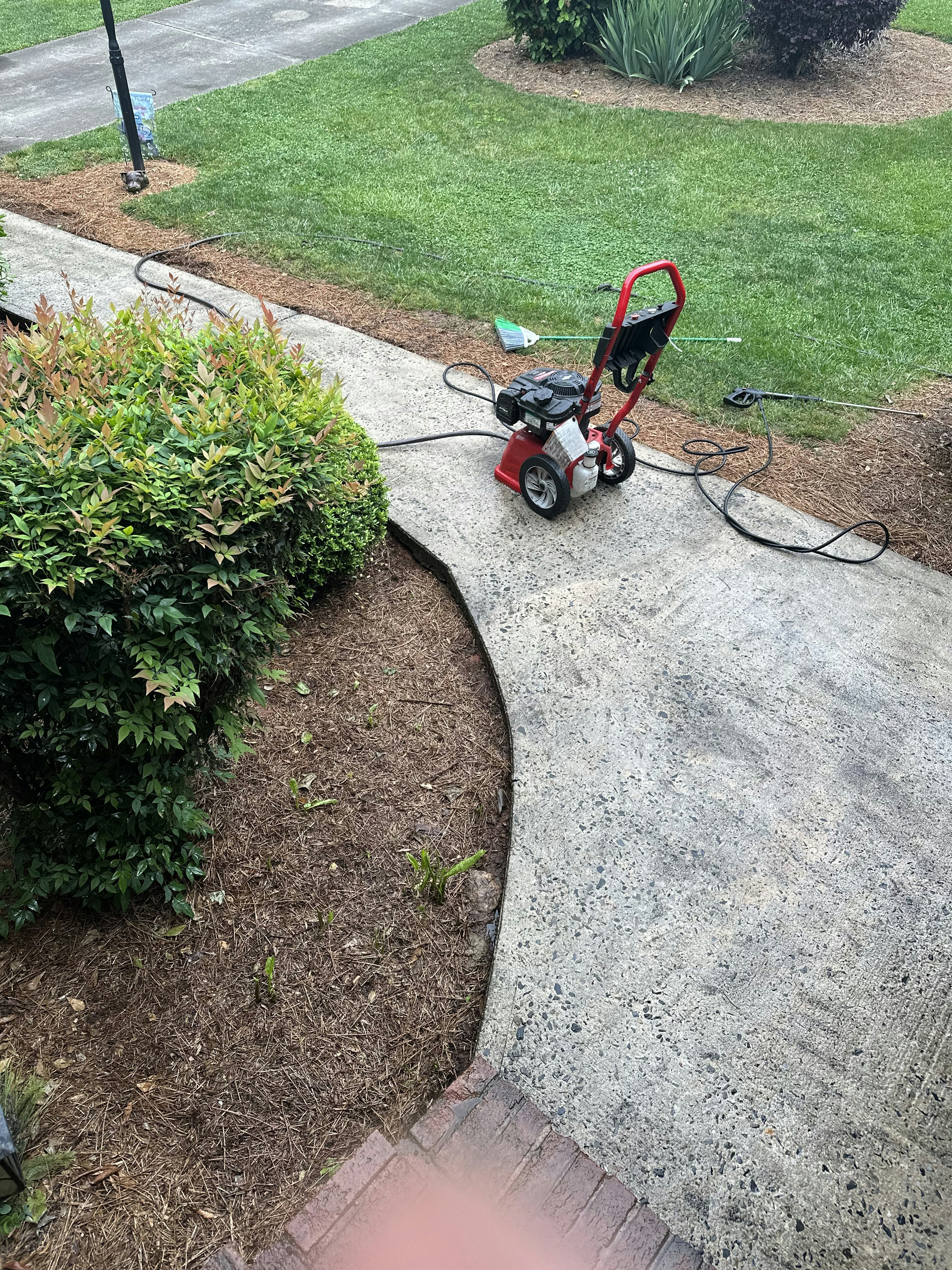
There are different types of pressure washers available on the market today, including electric and gas-powered models. Electric pressure washers generally provide sufficient power for light to moderate cleaning tasks, making them ideal for residential use. In contrast, gas-powered models deliver higher pressure, suitable for more demanding jobs, such as cleaning large driveways or heavily stained decks.
Choosing the appropriate pressure level is critical to ensure effective cleaning without risking damage to surfaces. For instance, a pressure level ranging from 1,500 to 2,000 PSI (pounds per square inch) is usually sufficient for cleaning surfaces like wooden decks or painted siding, while higher PSI levels may be required for tougher tasks like removing oil stains from concrete. Understanding the specifications of various models, including the GPM (gallons per minute) measurement, is also important, as it indicates the flow of water and effectiveness in removing debris.
Additionally, various pressure washer models come equipped with multiple features such as adjustable spray nozzles, detergent tanks, and onboard storage. These features allow users to customize their cleaning experience and efficiency. Therefore, it is imperative to consider specific cleaning needs, surface types, and model specifications when selecting the right pressure washer for your home.
Comparing the Top Pressure Washer Brands
When evaluating pressure washers on the market, four brands often stand out due to their performance and reliability: Sun Joe, Ryobi, Simpson, and Westinghouse. Understanding the key models from each brand can help homeowners in Indianapolis make informed decisions about which pressure washer best meets their needs.
Sun Joe is known for its eco-friendly design, offering electric pressure washers that are both lightweight and efficient. The Sun Joe SPX3000 model features a powerful 14.5-amp motor that can generate up to 2030 PSI. It comes equipped with five quick-connect nozzles, allowing users to adjust the pressure settings according to the cleaning task at hand. Its compact design makes it user-friendly, especially for those with limited storage space.
Ryobi has established a solid reputation in the outdoor power tools market. The Ryobi RY142300 model, which also operates on electric power, delivers 2300 PSI at 1.2 GPM, providing a balance of power and efficiency. This pressure washer is designed with onboard storage for accessories, making it convenient for homeowners to keep everything organized. Its durable wheels and lightweight frame enhance mobility, facilitating easy movement around the property.
Simpson is a brand known for its robust gas-powered units. The Simpson Cleaning MSH3125-S features a 3200 PSI engine, ideal for tackling more challenging cleaning tasks outdoors, such as removing grime from driveways or siding. Its steel frame construction denotes high durability, and the professional-grade pump ensures longevity. Simpson’s units are often favored by those who require heavy-duty power.
Finally, Westinghouse provides a range of versatile electric models, such as the Westinghouse WPX2700. It offers a maximum PSI of 2700 and 2.3 GPM, which caters to residential needs without compromising efficiency. The pressure washer is equipped with an adjustable spray nozzle, enhancing user control for various cleaning tasks. Its value proposition lies in reliable performance at a competitive price.
In conclusion, while each brand offers distinct features and capabilities, the best pressure washer for homeowners in Indianapolis ultimately depends on individual preferences, specific cleaning tasks, and desired convenience. Understanding these differences helps customers make an informed choice that aligns with their cleaning requirements.
Electric vs. Gas Pressure Washers: What You Need to Know
When considering a pressure washer for your Indianapolis home, understanding the differences between electric and gas models is essential. Electric pressure washers are generally more lightweight and easier to transport. They typically produce less noise, making them ideal for residential settings, especially in densely populated areas. Their power output, usually ranging from 1300 to 2000 PSI, is suitable for various cleaning tasks, including light-duty jobs like washing cars, patios, and outdoor furniture.
On the other hand, gas pressure washers are known for their higher pressure outputs, often exceeding 3000 PSI, making them suitable for heavy-duty cleaning tasks. They are equipped with powerful engines that can handle tougher jobs, such as removing stubborn stains from concrete or breaking down dirt on large surfaces. However, these machines are less portable due to their weight and the need for fuel, and they tend to be noisier, potentially causing disturbances in residential neighborhoods.
Maintenance requirements also differ significantly between the two types. Electric models require minimal upkeep; users simply need to ensure proper storage and check for any electrical issues. Conversely, gas pressure washers demand more regular maintenance, including oil changes, fuel quality checks, and air filter replacements. This can add to the overall ownership costs and effort involved in maintaining the unit.
Ultimately, the choice between electric and gas pressure washers should revolve around the specific cleaning tasks you anticipate. If your needs are modest and occasional, an electric model may serve you well. However, for those looking for robust performance capable of tackling tougher cleaning projects, a gas pressure washer could be the better investment. Evaluating your home environment and personal cleaning preferences will help guide this decision.
Cost Analysis: Pricing the Best Pressure Washers
When considering the acquisition of a pressure washer, particularly for homeowners in Indianapolis, understanding the pricing landscape is crucial. The four brands in focus—Sun Joe, Ryobi, Simpson, and Westinghouse—each offer a range of models at varying price points, catering to a broad spectrum of needs and budgets. On average, entry-level models from these brands typically start around $150 to $200, providing users with basic functionalities suitable for light-duty tasks such as car washing and patio cleaning. Mid-range options fall between $250 to $400, offering enhanced power and efficiency for more demanding jobs, such as cleaning driveways and decks.
Higher-end models can reach prices exceeding $500, often seen in commercial-grade pressure washers that deliver exceptional durability and are designed for frequent use. For example, Simpson’s professional series may command higher prices due to their robust construction and superior performance. It is essential to weigh the upfront costs against the capabilities and long-term value each model presents.
While the temptation might be strong to opt for the cheapest pressure washer available, this choice may lead to higher maintenance costs and frequent replacements. Quality units are often built with better materials and technology, translating to enhanced durability and lower long-term expenses. Homeowners should factor in the anticipated frequency of use, necessary power levels, and potential replacement outcomes when making their decision. Investing in a reliable model may incur a higher initial price but promises extended usability and efficiency, ultimately proving to be more cost-effective in the long run.
If you’re interested in purchasing the item you seek, please click the link for additional details: #americanachoice.
https://amzn.to/3SBN3Oy
AFFILIATE DISCLOSURE: I am an affiliate for this company, I am not a paid employee.
I may receive a commission if you click a link on this page and choose to purchase something.
You can rest assured I will only share things I believe in and will be valuable to you.