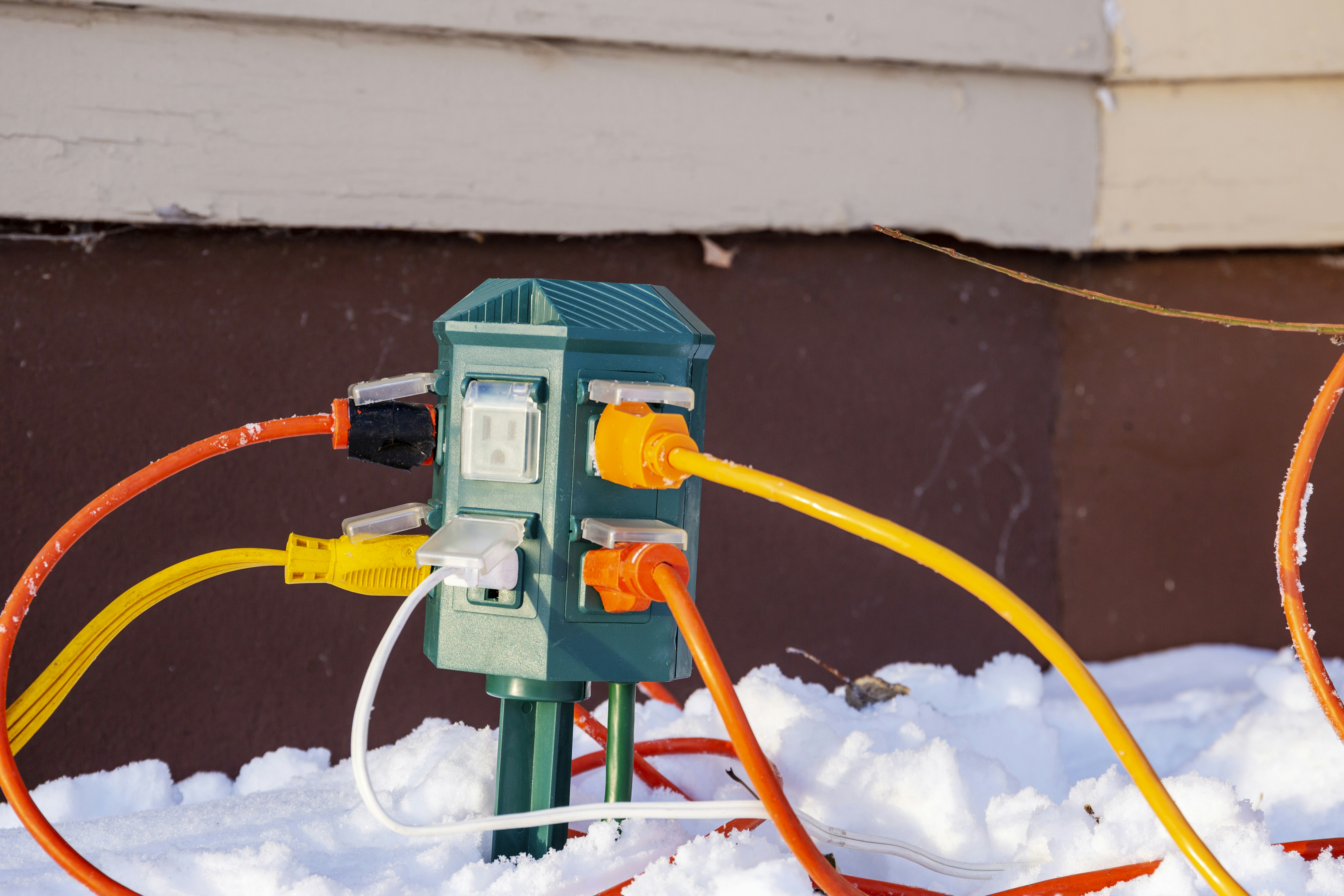
The Basics of Extension Cords
Extension cords are vital tools that provide additional reach for electrical appliances and devices, enabling them to be used in locations away from fixed power outlets. Their primary purpose is to extend the electrical supply from an outlet to where it is needed, thus enhancing the versatility of electrical device usage. Understanding the essential terms related to extension cords is crucial for safe and effective use.
One of the key terms is “gauge,” which refers to the thickness of the wire used in the cord. The lower the gauge number, the thicker the wire is, enabling it to carry more current safely. Typical gauges for household extension cords include 16, 14, and 12, with 12-gauge cords being suitable for heavy-duty applications. Another important term is “wattage,” which indicates the maximum power that the extension cord can handle. It is critical to ensure that the wattage rating of the extension cord meets or exceeds the requirements of the devices being connected to avoid overheating or potentially causing a fire hazard.
Extension cords come in various types designed for different environments and usage scenarios. Indoor extension cords are typically lighter and made for lower power devices, while outdoor extension cords are built with more robust materials to withstand weather conditions. Heavy-duty extension cords are capable of handling substantial loads and are often used for equipment like power tools. It is essential to select the right type of cord to ensure safety and effectively meet the demands of the devices being used.
By grasping these foundational concepts of extension cords, consumers can make informed choices, leading to safer usage and improved functionality in daily tasks.
Recognizing Quality: What Makes an Extension Cord Safe?
When evaluating the safety and quality of an extension cord, several key features should be taken into consideration. One of the primary indicators of a reliable extension cord is the presence of safety certifications. Look for cords that bear the Underwriters Laboratories (UL) or Intertek’s ETL logo, as these signify that the product has undergone rigorous testing for compliance with safety standards. Certified cords have been evaluated for their ability to handle electrical loads safely without overheating or posing fire hazards.
Another crucial aspect is the gauge of the cord, which directly relates to its capacity to carry electrical current. The lower the gauge number, the thicker the wire, allowing it to handle higher amperages without risk. For instance, a 14-gauge extension cord is typically suitable for power tools and appliances that require more energy, whereas a 16-gauge cord may suffice for less demanding devices. Therefore, it is essential to assess the amp rating required for the intended use to ensure safety and optimal performance.
The length of the extension cord also plays a significant role in its safety. Extended distances can lead to voltage drop, which may affect the performance of connected devices and increase the risk of overheating. Always choose the shortest length necessary for your application to minimize risks. Additionally, consider the construction materials of the cord; quality extension cords are generally made from durable, insulated materials to prevent wear and reduce the likelihood of electrical shock or fires. Look for cords that are rated for outdoor use if they will be exposed to the elements, as these are built to withstand harsher conditions.
Common Safety Hazards and How to Avoid Them
Extension cords are widely used devices to provide power in various settings, yet they can pose significant safety hazards if not used properly. One of the most common issues is overheating. This can occur when an extension cord is overloaded, meaning it is subjected to a power draw exceeding its rated capacity. Users should always check the amp rating on both the extension cord and the devices being plugged in to ensure they remain within safe limits. Avoid using extension cords for high-wattage appliances like space heaters or refrigerators, as this creates higher risks of overheating and potential fire hazards.
Another significant risk associated with extension cords is electrical shock. This can happen if an extension cord is damaged, frayed, or improperly handled. To reduce this risk, inspect cords for wear and tear before each use. Avoid using extension cords outdoors unless they are rated for outdoor use. Furthermore, it is crucial to ensure that any connections are watertight to prevent moisture intrusion which can lead to electrical shock incidents.
Fire hazards are a serious concern when utilizing extension cords. In addition to overheating, running cords under rugs or across doorways can pose a high risk of igniting nearby combustible materials. It is encouraged to keep cords in visible areas where they cannot be tripped over or damaged. When storing extension cords, coils should be made loosely, and they should be kept in a dry, cool place to prevent damage. Finally, refrain from chaining multiple cords together, as this significantly increases the risk of overheating and electrical hazards.
Best Practices for Using Extension Cords Safely
Using extension cords safely is crucial for preventing accidents, injuries, and property damage. The first step in ensuring safety is understanding the load limits of the extension cords being utilized. Each cord is rated for a specific amperage, and exceeding this limit can result in overheating and potential fires. Therefore, it is essential to match the load of devices plugged into the extension cord with its rated limit.
When considering where and how to use extension cords, it is important to distinguish between indoor and outdoor applications. Indoor extension cords are designed for dry environments and may not withstand exposure to moisture. Conversely, outdoor cords are specifically constructed with weather-resistant features that ensure safety in wet conditions. Always use extension cords that are specifically rated for the environment in which they will be utilized.
Monitoring extension cords during use is another vital practice. Cords should be regularly checked for signs of wear, such as fraying or cuts. Ensure that cords do not run through doorways or beneath rugs, as these scenarios can cause damage and create tripping hazards. Furthermore, be mindful of the number of devices plugged into one extension cord. Using power strips with built-in surge protectors can prolong the life of connected devices and provide additional protection against power surges.
It is also prudent to be aware of local regulations and standards regarding the usage of extension cords. Different municipalities may have specific guidelines regarding their use in homes and workplaces. Adhering to these regulations not only helps in maintaining safety but also ensures compliance with legal standards designed to protect individuals and property.
If you’re interested in purchasing the item you seek, please click the link for additional details: #americanachoice.
https://amzn.to/3SBN3Oy
AFFILIATE DISCLOSURE: I am an affiliate for this company, I am not a paid employee.
I may receive a commission if you click a link on this page and choose to purchase something.
You can rest assured I will only share things I believe in and will be valuable to you.