Understanding the Basics: Adhesives, Fasteners, and Anchors
When it comes to securing items to walls, the three primary methods are adhesives, fasteners, and anchors. Each option presents unique characteristics, strengths, and application methods, which can significantly influence the effectiveness of your mounting efforts.
Adhesives are typically utilized for their ease of use and versatility. These bonding agents work by creating a strong surface adherence that can hold a variety of materials together. The basic principle is that the adhesive forms a strong chemical bond between the surfaces involved. They are especially effective for lightweight items and provide a clean look, eliminating the need for visible hardware. However, the durability of adhesives can vary depending on factors such as surface material and environmental conditions. While convenient, they may not be suitable for heavier items.
Fasteners, on the other hand, include screws, nails, and bolts, which penetrate materials to provide a secure hold. They are typically regarded as a traditional method for mounting due to their ability to handle significant weight and stress. Fasteners derive their strength from mechanical interlocking, ensuring a reliable grip on the material. When using fasteners, it is important to select the appropriate type and size based on the weight of the item being mounted and the type of wall involved, whether it be drywall, wood, or masonry.
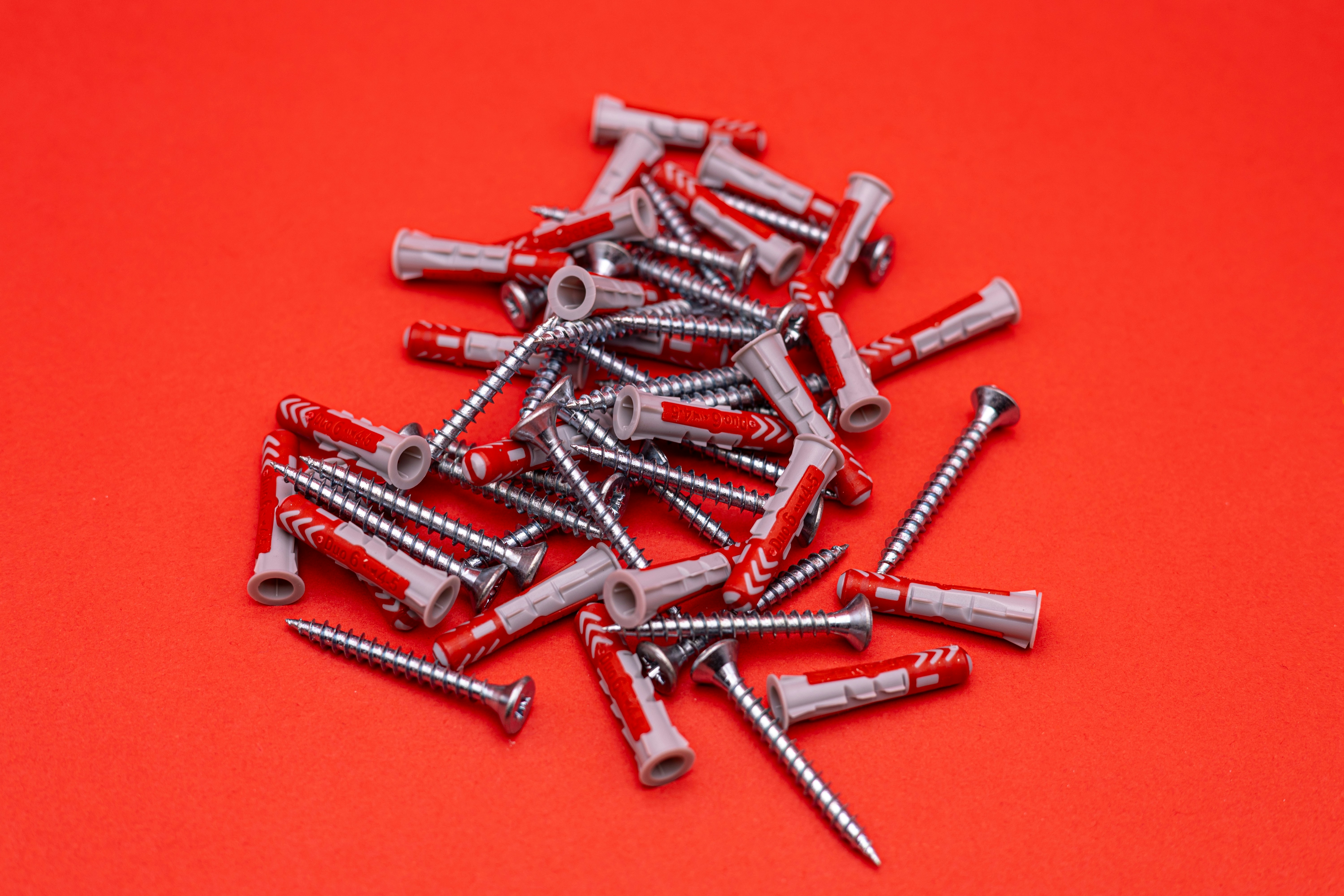
Anchors offer an added layer of support when mounting items on hollow walls or other materials that may not adequately support fasteners by themselves. These devices are inserted into the wall and expand or grip the interior material to securely hold screws or bolts. Anchors are essential for heavier items and can prevent damage such as cracks or wall failure, which might occur with improper installation. Understanding the distinctions among adhesives, fasteners, and anchors is crucial for ensuring the stability of mounted items, ultimately preventing issues such as falling objects and structural damage.
Weight Limits and Wall Types: Choosing the Right Method
When it comes to hanging, mounting, or securing items, understanding the weight limits associated with different methods is critical for safety and effectiveness. Each application, whether it be adhesive, fasteners, or anchors, demands an assessment of the weight load they will bear. Different wall types—drywall, plaster, and concrete—also influence which method is suitable for a specific application.
In the case of drywall, which is a common material in residential structures, the weight limit for fasteners can vary. Typically, a standard drywall anchor can support anywhere from 20 to 50 pounds, depending on the specific type used. For heavier items, toggle bolts are recommended as they distribute weight more effectively along the drywall surface.
Plaster walls, while aesthetically pleasing, tend to be more brittle and possess different structural characteristics than drywall. The weight limits for plaster are often lower than those of drywall, making specialized anchors, such as those designed for high-load applications, necessary. Caution is key when working with plaster to avoid cracking and compromising the wall’s integrity.
Concrete walls present a more robust option for installations but require specific fasteners or anchors to achieve a secure hold. The weight limits for these types of anchors can reach up to several hundred pounds, which allows for the mounting of significant items. However, the installation process itself may involve drilling into the concrete, necessitating tools and expertise that differ from those used for drywall or plaster.
The overall characteristics of each wall type heavily influence which adhesive or fastening method is optimal. Proper evaluation of both weight limits and wall materials is essential to ensure safe and secure installations, thus preventing potential damages or hazards in the future.
Common Errors: What to Avoid When Hanging and Mounting
When it comes to hanging and mounting items securely, various common errors can undermine the integrity of the installation, leading to potential hazards or unsightly outcomes. One prevalent mistake is overestimating the strength of adhesives. Many individuals assume that a strong adhesive is sufficient for holding heavy items, without considering factors such as surface preparation and environmental conditions. For instance, using a powerful adhesive on a porous surface might yield disappointing results, as the adhesive may not bond effectively. Users should always check the manufacturer’s specifications and guidelines regarding weight limits and proper application methods.
Another significant error involves the misuse of anchors. Anchors are designed to provide additional support in drywall or masonry, yet they are often installed incorrectly. A common issue is selecting the wrong type of anchor for the intended application, such as using a lightweight plastic anchor for heavy objects. This mistake can result in the anchor pulling out from the wall, thereby compromising the installation. It is essential to utilize the appropriate anchors based on the weight of the item being mounted and the material of the wall. Additionally, the proper installation technique should be followed, which includes pre-drilling and ensuring the anchor is flush with the wall.
Moreover, neglecting to verify the weight limits of both the hanging system and the wall structure can lead to disastrous outcomes. For example, many people fail to consider the cumulative weight of multiple items hung on a single anchor, which could exceed its load capacity. To avoid these pitfalls, individuals should conduct thorough research, follow best practices for installation, and, if necessary, consult a professional to ensure their installations are safe and effective. By learning from the experiences of others and being aware of these common errors, one can significantly improve the success rate of their mounting and hanging projects.
Americana Choice Accessories and Local Expertise
When embarking on any construction or DIY project, the choice of materials is instrumental in ensuring durability and effectiveness. Americana Choice Accessories stands out as a local vendor in Indianapolis and its surrounding areas, offering a comprehensive selection of adhesives, fasteners, and anchors. By opting for supplies from a local source, customers not only support neighborhood businesses but also gain access to expert advice tailored to their specific needs.
In 2026, the relevance of sourcing high-quality products locally cannot be overstated. Local suppliers like Americana Choice Accessories often have a deep understanding of the regional market and can provide valuable insights that larger companies may overlook. Their experienced staff can guide you in choosing the right accessory for your project, ensuring that you select products that will perform optimally and contribute to the longevity of your work.
Selecting the appropriate adhesive, fastener, or anchor is paramount in achieving reliable results. Quality materials can enhance adherence, ensuring that items are securely mounted or anchored. In contrast, lesser-quality alternatives may lead to failures, requiring additional repairs that can be both costly and time-consuming. Americana Choice Accessories understands these dynamics and curates a product range specifically designed to resonate with the local community’s needs.
By engaging with local vendors, consumers also benefit from the convenience of quicker access to materials and supplies, which can significantly streamline project timelines. In addition, supporting local businesses fosters a sense of community, encouraging economic growth and sustainability within the Indianapolis area. When you choose Americana Choice Accessories, you are investing not just in high-quality materials, but in the local economy and expertise that ensure your projects are successful.
If you’re interested in purchasing the item you seek, please click the link for additional details: #americanachoice.
https://amzn.to/3SBN3Oy
AFFILIATE DISCLOSURE: I am an affiliate for this company, I am not a paid employee.
I may receive a commission if you click a link on this page and choose to purchase something.
You can rest assured I will only share things I believe in and will be valuable to you.