Understanding Patio Materials: An Overview
The choice of patio materials has evolved significantly in recent years, with emphasis placed on both aesthetic appeal and functional longevity. Among the most popular options available are concrete pavers, pea gravel, and decomposed granite. Each material offers unique characteristics, making them suitable for different styles and usages, ultimately impacting the overall look and durability of outdoor spaces.
Concrete pavers are renowned for their durability and versatility. Because they are manufactured in various shapes, colors, and sizes, they can closely mimic more expensive materials, such as natural stone. Their uniform nature allows for efficient installation while providing a sleek and polished finish. As of 2026, concrete pavers are projected to average between $8 to $15 per square foot, depending on the complexity of the design and installation.
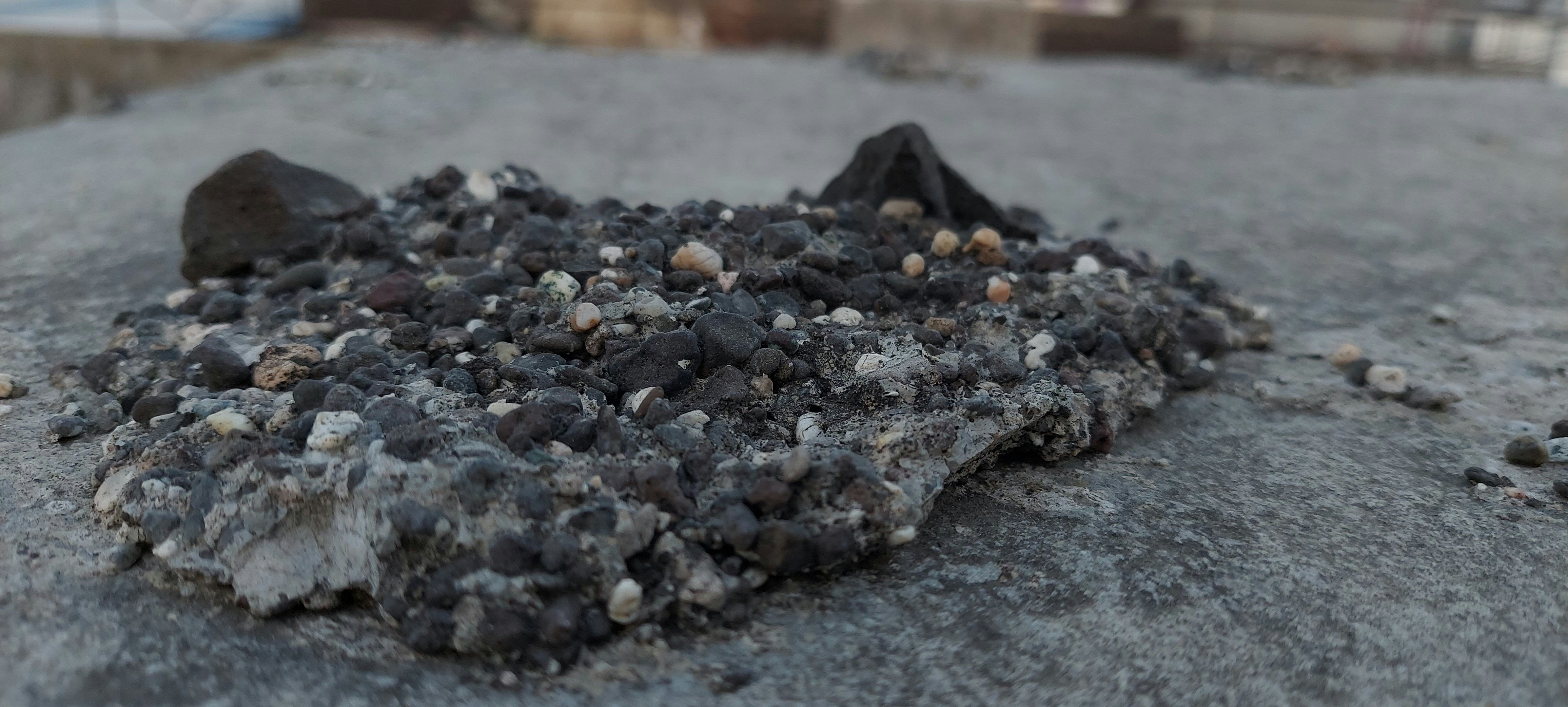
In contrast, pea gravel offers a more organic and casual aesthetic, with its small, rounded stones providing a natural feel that complements gardens and rustic themes. While it can be less expensive, with prices averaging around $2 to $5 per square foot, it requires regular maintenance and may shift underfoot, which could affect its overall functionality.
Decomposed granite stands as a solution that balances beauty and practicality, known for its compactability and sleek appearance. This material can be more porous, allowing for better drainage, and it typically costs between $3 to $6 per square foot. Its earthy tones blend seamlessly into outdoor landscapes, making it a favored choice among landscape designers.
Given the variety of options and their diverse pricing in 2026, selecting the right patio material is crucial. Homeowners should consider not only the immediate visual appeal but also the long-term maintenance and durability of the chosen surface, thus ensuring a well-rounded investment for outdoor living spaces.
Cost Analysis: Pricing per Square Foot
When considering materials for patio construction, a clear understanding of the associated costs is essential for effective budgeting. In this section, we will break down the pricing for three popular patio materials: concrete pavers, pea gravel, and decomposed granite.
Concrete pavers are known for their durability and aesthetic appeal, making them a preferred choice for many homeowners. The current price range for concrete pavers is approximately $3 to $8 per square foot. This range can be influenced by factors such as the design complexity, texture, and brand of the pavers. While the initial investment is higher compared to other options, the long-term benefits, including low maintenance and significant lifespan, often justify the cost.
On the other hand, pea gravel stands out for its affordability and ease of installation. The pricing for pea gravel is typically between $1.50 and $3 per square foot. This option is particularly appealing for those on a tighter budget or looking for a quick solution. However, it is important to note that pea gravel may require periodic replenishment and can lead to uneven settling over time, which might increase overall maintenance costs.
Decomposed granite presents a middle-ground option, with prices ranging from $1 to $2.50 per square foot. This natural material is not only cost-effective but also enhances drainage and promotes a loose soil structure. While decomposed granite provides a beautiful rustic look, it can require periodic raking and replenishing, similar to pea gravel.
In evaluating the best value for your patio project, it is crucial to consider regional price variations and market demand, which can significantly affect material costs. The investment in patio materials will ultimately depend on the balance between initial costs and long-term benefits, as each option has its unique advantages and drawbacks.
Durability, Weed Control, and Maintenance Considerations
When selecting patio materials for landscaping, durability, weed control, and maintenance are essential factors that influence both the longevity and aesthetic of the space. Concrete pavers, pea gravel, and decomposed granite each present distinct attributes regarding these considerations.
Concrete pavers are renowned for their durability. Made from high-strength materials, they resist cracking and are less susceptible to erosion caused by weather conditions and heavy foot traffic. Their structured installation allows for less shifting compared to more natural materials. However, while concrete pavers offer excellent longevity, their initial installation costs can be higher than other options.
On the contrary, pea gravel is an attractive choice thanks to its cost-effectiveness and natural appearance. However, durability can be a concern as the stones can shift underfoot and may lead to an uneven surface if not properly contained. Regular maintenance is necessary to keep the gravel evenly distributed, as well as to control weeds that may sprout through the stones. This may involve annual replenishment of the gravel layer to maintain its fullness.
Decomposed granite is another natural material that provides a unique aesthetic while having moderate durability. Its resilience can vary based on the installation method and the amount of traffic the space receives. Like pea gravel, decomposed granite tends to require higher maintenance to suppress weed growth. Using a stabilizer or applying occasional weeding treatments can help keep the area looking pristine over time.
In terms of maintenance, concrete pavers generally require less frequent upkeep, while both pea gravel and decomposed granite may need ongoing attention for weed control and replenishment. Ultimately, the choice will determine the long-term costs and desired upkeep for the patio area.
DIY Installation: Tools and Difficulty Ratings
When considering the installation of patio materials such as concrete pavers, pea gravel, and decomposed granite, it is essential to assess the necessary tools and the difficulty of the project. Each material requires specific tools that may influence a DIY enthusiast’s ability to successfully install their desired patio.
For concrete pavers, the installation process can be quite involved. Essential tools include a plate compactor or tamper to ensure a solid base, edging materials for neatness, and leveling tools to guarantee even placement. The difficulty level for this material is categorized as moderate to high, largely due to the need for precise cutting and fitting of the pavers. It is often recommended for DIYers to undertake this project only if they possess some prior experience in masonry.
On the other hand, pea gravel is generally easier to install, making it a suitable option for novice DIY enthusiasts. The installation tools are minimal and primarily consist of a rake for leveling and a shovel for spreading the gravel. The difficulty rating for pea gravel is low; however, it does require maintenance, as periodic raking may be necessary to keep the gravel in place and looking fresh.
Decomposed granite presents a middle-ground option in terms of difficulty. Necessary tools include a rake for spreading, a tamper or plate compactor for compacting the material, and edging tools to contain the granite within defined borders. The difficulty rating for decomposed granite ranges from low to moderate, depending on the area size and the base preparation needed.
In conclusion, while DIY installation of these patio materials is achievable, the complexity and tools required can significantly vary. Homeowners should evaluate their comfort level and experience thoroughly. If the project appears overly challenging, hiring a professional might be the more prudent choice to ensure a successful and aesthetically pleasing patio installation.
If you’re interested in purchasing the item you seek, please click the link for additional details: #americanachoice.
https://amzn.to/3SBN3Oy
AFFILIATE DISCLOSURE: I am an affiliate for this company, I am not a paid employee.
I may receive a commission if you click a link on this page and choose to purchase something.
You can rest assured I will only share things I believe in and will be valuable to you.