Understanding Driveway Materials
Driveways serve a crucial function in the overall aesthetic and utility of any property, and selecting the right material is essential for homeowners. The three predominant driveway materials—concrete, asphalt, and pavers—each offer unique characteristics that cater to different needs and preferences.
Concrete is a widely favored option due to its durability and flexibility in design. It can be cast in various shapes and finishes, allowing homeowners to customize their driveways effortlessly. Concrete driveways are often described as weather-resistant, providing a strong surface that withstands various environmental stresses. This material is particularly popular in areas that require long-lasting features, as it offers a lifespan of up to 30 years with proper maintenance.
Asphalt, on the other hand, is known for its smooth surface and quick installation process. It is typically on the more economical side compared to concrete. Homeowners appreciate asphalt for its ability to absorb heat, which can help in melting snow during colder months. However, asphalt driveways generally require more frequent maintenance, such as seal coating every few years, to extend their lifespan and preserve their appearance.
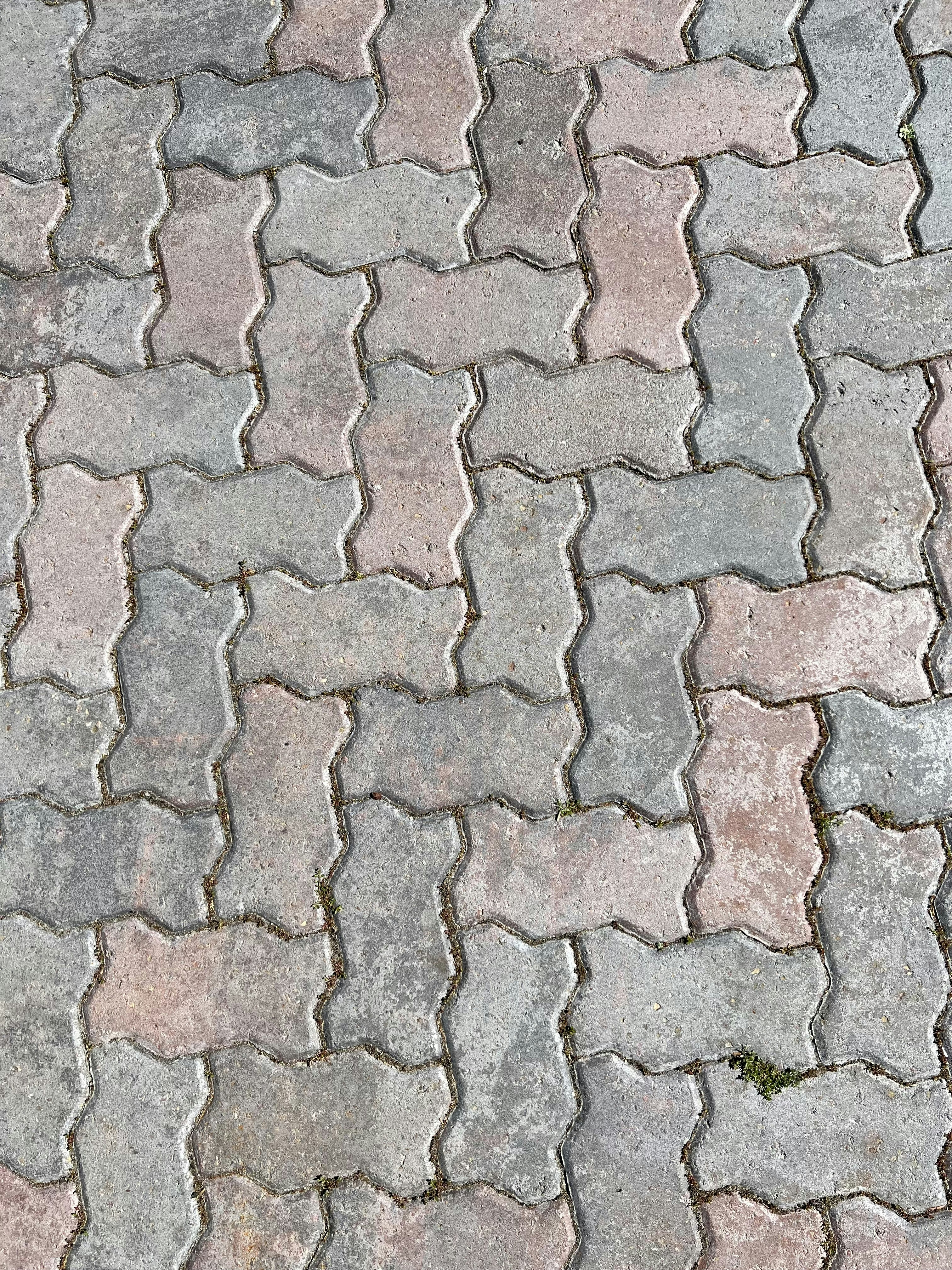
Pavers, made from brick, stone, or concrete slabs, provide a distinct charm and versatility that attracts many homeowners. The interlocking mechanism of pavers creates a sturdy driveway that allows for individual piece replacement in case of damage or wear. Additionally, paver driveways can feature various colors and patterns, making them an excellent choice for those looking to enhance their curb appeal. Although they may require a more intensive installation process, their longevity and aesthetic value make them a worthwhile investment.
All three options—concrete, asphalt, and pavers—bring distinct advantages to the table. Homeowners should consider various factors including aesthetics, cost, durability, and maintenance requirements when choosing the most suitable material for their driveway.
Cost Analysis per Square Foot in Indianapolis 2026
When evaluating driveway options in Indianapolis, understanding the costs associated with each material is crucial for homeowners. As of 2026, the installation costs for different driveway materials can vary significantly, affecting the overall budgeting for a property renovation or construction project.
Asphalt driveways typically range from $3 to $6 per square foot. The price can be influenced by factors such as the thickness of the asphalt, base preparation, and regional labor costs. For a standard two-car driveway measuring approximately 600 square feet, the total cost for asphalt installation would therefore fall between $1,800 and $3,600. This option is often favored for its affordability and quick installation process.
Concrete driveways generally incur a higher cost, ranging from $4 to $10 per square foot, depending on the finish and design complexity. In instances where decorative or stamped finishes are employed, costs may rise even higher. For the same 600 square foot driveway, homeowners could expect to pay between $2,400 and $6,000. Concrete is appreciated for its durability and low maintenance needs, which can offset its initial installation cost over time.
Lastly, paver driveways can have a wide price range, averaging from $10 to $20 per square foot. Factors influencing these costs include the type of pavers chosen, the complexity of the design, and installation challenges. For a typical driveway of 600 square feet, expenses could range from $6,000 to $12,000. Although paver driveways are more expensive, they offer aesthetic appeal and enhanced longevity, often leading to higher property values.
In summary, when selecting a driveway option in Indianapolis, the choice often hinges on budget constraints and personal preferences. Asphalt presents a cost-effective solution, concrete offers a balance of durability, and pavers provide unmatched design versatility. Each material comes with its own financial implications that should be carefully considered prior to making a decision.
Longevity and Durability: What to Expect
When considering driveway options, one of the most critical aspects homeowners assess is the longevity and durability of materials. In terms of lifespan, concrete driveways typically last from 25 to 30 years when properly maintained. Factors contributing to the extended life of concrete include regular sealing, timely repairs, and protection from extreme weather conditions. Unlike other materials, concrete’s durability can be affected by its composition and the grading of the sub-base upon which it is laid.
Asphalt driveways, on the other hand, have a shorter lifespan, averaging around 15 to 20 years with appropriate care. Maintenance practices such as sealcoating every two to three years, filling cracks promptly, and ensuring proper drainage significantly enhance the durability of asphalt. Homeowners situated in warmer climates may experience a decrease in lifespan due to the material’s softening properties under high temperatures.
Paver driveways are renowned for their potential longevity, often lasting over 20 to 30 years as well. The interlocking nature of pavers allows for flexibility and shifting to prevent cracking, making them a robust choice. However, the longevity of pavers depends on the quality of installation and the type of base used. Regular maintenance, such as cleaning and polymeric sand replenishment, can help to uphold both appearance and durability.
It is pertinent to understand that external factors also play a significant role in the lifespan of all driveway materials. For instance, climates with extreme freeze-thaw cycles can lead to cracks, while high traffic volumes may cause wear and tear. Ultimately, the maintenance practices implemented by homeowners can greatly influence the longevity of their chosen driveway material, regardless of whether it is concrete, asphalt, or pavers.
DIY Feasibility: Costs and Time Involved
For homeowners considering the installation of pavers as a driveway option, understanding the costs and time commitments associated with a do-it-yourself (DIY) approach is crucial. This method can potentially lead to significant savings compared to hiring professionals, provided that the homeowner is willing to invest both effort and resources into the project.
The initial costs for a DIY paver installation primarily include the pavers themselves, which come in various materials ranging from concrete to natural stone. On average, homeowners can expect to pay between $1 to $5 per square foot for pavers, depending on the material choice. In addition to the pavers, other materials such as sand, gravel for the base layer, and edging might range from $0.50 to $3 per square foot. Overall, the total material costs could amount to approximately $4 to $10 per square foot once all components are accounted for.
Regarding tools, homeowners will need a few essential items to carry out the installation effectively. Common tools include a shovel, a level, a rubber mallet, a compactor (which can sometimes be rented), and a saw for cutting pavers. Rental costs for larger tools like compactors may range from $50 to $100 per day. It is also wise to allow for additional expenses related to these tools, especially if purchasing them outright.
Time is another significant factor in the DIY feasibility of paver installation. Projects of this nature generally take anywhere from two days to a week depending on the driveway’s size and the complexity of the design chosen. Homeowners must factor in preparation time, such as excavation and base preparation, alongside the paver installation itself.
By opting for a DIY installation, homeowners can save between 30% to 50% of the total costs associated with hiring a professional installer. However, this savings must be weighed against the investment of time and effort required, making it essential for each homeowner to carefully assess their skills and the feasibility of managing such a home improvement project.
If you’re interested in purchasing the item you seek, please click the link for additional details: #americanachoice.
https://amzn.to/3SBN3Oy
AFFILIATE DISCLOSURE: I am an affiliate for this company, I am not a paid employee.
I may receive a commission if you click a link on this page and choose to purchase something.
You can rest assured I will only share things I believe in and will be valuable to you.