Understanding Your Kitchen’s Potential
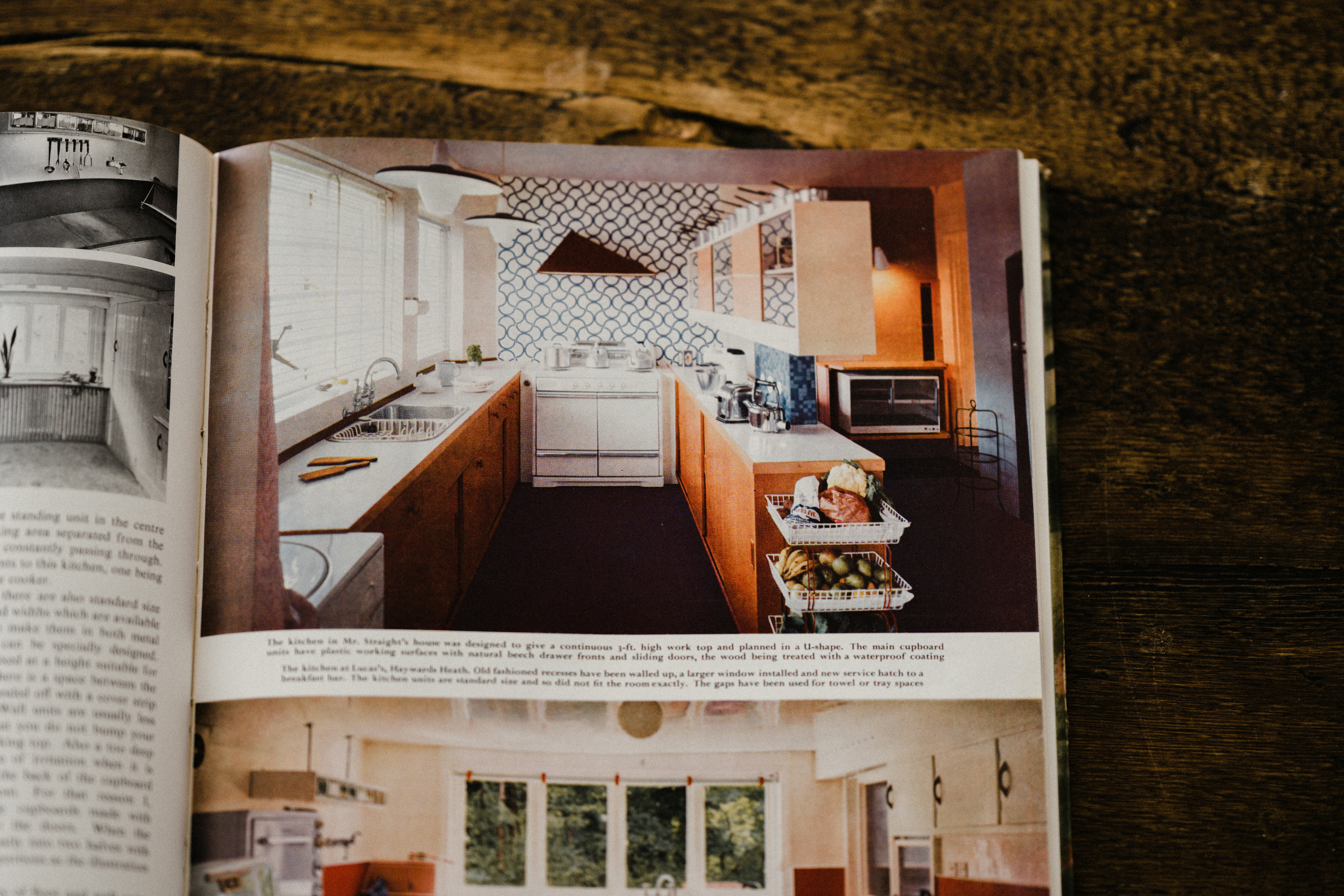
When considering a kitchen update without a full gut renovation, it is essential to understand the potential of your existing space. The first step involves evaluating the current layout of your kitchen. Assess whether the arrangement of appliances, countertops, and storage effectively supports the flow of cooking and daily tasks. A well-planned layout is crucial for a functional kitchen, making it easier to access essential tools and ingredients, thus enhancing overall productivity.
Next, examine the condition of your appliances. Are they outdated but still operational? Although you may want to avoid replacing them all, consider updating one or two key appliances, such as a refrigerator or oven, to create a more modern look. Newer models are often more energy-efficient, which can also help in savings over time. Likewise, if you find your fixtures—like faucets and cabinet handles—are dated, replacing them can significantly enhance the aesthetic appeal without substantial investment.
Additionally, think about cosmetic changes that offer a fresh new look. For example, a new coat of paint, updated cabinet doors, or eye-catching backsplash tiles can dramatically transform the space. Accessorizing with new textiles, such as curtains or rugs, can add warmth and character. When combined, these small updates can yield a significant impact, making your kitchen feel updated without the need for extensive construction. Ultimately, by taking a systematic approach to assess your kitchen’s potential, you can effectively identify areas for improvement that align with your style and budget.
Swapping Cabinet Hardware Efficiently
Updating cabinet hardware can be a transformative step in your kitchen update. It offers a cost-effective method to greatly enhance the overall aesthetic of your kitchen without the need for a full gut renovation. When planning this update, it is essential to understand the various types of cabinet hardware available. From sleek and modern pulls to classic knobs, the options are vast and can significantly impact the style of your kitchen.
Choosing the right hardware involves considering the existing design elements in your kitchen. For a contemporary kitchen, you might opt for minimalistic and streamlined hardware, while a traditional kitchen may call for more ornate designs. A cohesive look can be achieved by matching the finish of the hardware with other fixtures, such as faucets and light fixtures. Therefore, before making a final decision, it is advisable to gather samples and visualize how they will look in your space.
To replace cabinet hardware, you will need some essential tools including a screwdriver, a measuring tape, and a level. First, measure the distance between the holes on your existing hardware, as you will need to ensure that the new pulls or knobs align correctly. If you’re installing new hardware that requires additional holes, you may need a drill. Installation generally follows the same steps: remove the existing hardware, position the new pieces, and secure them in place, ensuring they are straight with the help of a level.
In terms of cost estimates for different styles of hardware, you can expect prices to range significantly in Indiana during 2026. Basic knobs may cost around $2 to $5 each, while more decorative or specialized hardware can range from $10 to $30 or more. Budgeting for this update should take into account the number of pieces needed and your chosen style, ensuring that your kitchen update remains both stylish and budget-friendly.
Adding New Faucets and Peel-and-Stick Backsplash
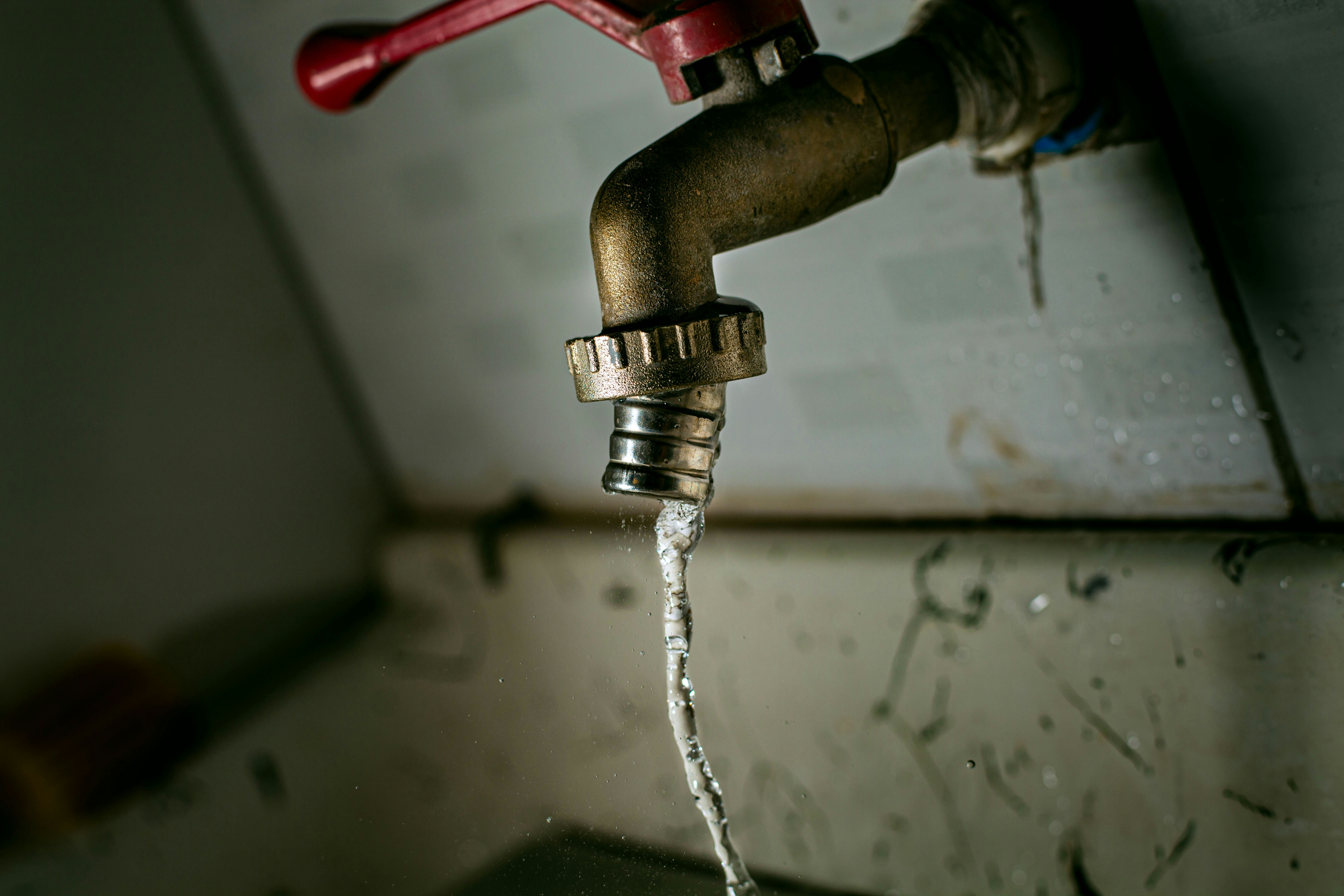
Upgrading kitchen fixtures can significantly enhance both the functionality and aesthetics of this essential space. One impactful change is the installation of new faucets. When choosing a faucet, consider factors such as style, finish, height, and functions like pull-down spray features. A high-arc faucet, for example, can provide maximum convenience while also creating a modern look. Furthermore, being mindful of your budget will guide you to options that balance value and quality effectively. Researching various brands and their warranties can help in making an informed decision.
Once you have selected your faucet, installing it can be a straightforward process. Begin by shutting off the water supply to avoid any leaks or floods. Next, disconnect the existing faucet by loosening the nuts under the sink. After removing the old fixture, clean the mounting area thoroughly to ensure a good seal. Following your manufacturer’s instructions, position the new faucet in place, securing it well and reattaching the water supply lines. Check for leaks by turning the water supply back on and testing the faucet before completing any surrounding installation.
In addition to a new faucet, consider updating the backsplash with peel-and-stick tiles. This option offers a modern look without the complexity of traditional tiling. Start by cleaning the wall surface and ensuring it’s dry; any residue or moisture can affect adhesion. Measure the area to determine how many tiles you’ll need. Use a utility knife to cut the tiles to fit around edges and outlets. Placement should begin from the center of the wall, working outward to ensure symmetry; press firmly to secure them in place. This DIY approach can dramatically transform your kitchen’s visual appeal while keeping costs manageable.
Enhancing Lighting with Under-Cabinet Solutions
Lighting plays a crucial role in any successful kitchen update, offering both functional and aesthetic benefits. One of the most effective ways to enhance lighting in your kitchen is through the use of under-cabinet lighting solutions. By installing lights under the cabinets, you can illuminate countertops, making food preparation easier and safer. Moreover, the right lighting can create a warm and inviting atmosphere, transforming your kitchen into a cozy space.
There are several types of under-cabinet lighting options, each with unique features and advantages. For example, LED strip lights are popular for their low energy consumption and versatility. They can be easily cut to fit the desired length, making them ideal for various cabinet sizes. Alternatively, puck lights provide focused illumination and are often used for highlighting specific areas or decorative elements within the kitchen. When selecting under-cabinet lighting, it’s important to consider energy efficiency, brightness levels, and the overall design aesthetic you wish to achieve.
To install under-cabinet lighting, begin by gathering necessary tools such as a power drill, a measuring tape, and wire connectors. Before installation, plan the layout by measuring the space under your cabinets and deciding on the locations for your lighting fixtures. Depending on the type of lights chosen, you may need to connect wiring to an existing power source. Be mindful of the voltage and ensure that you adhere to local electrical codes to guarantee safety during installation.
The costs associated with purchasing and installing under-cabinet lighting can vary. In the Indiana market in 2026, you can expect prices for fixtures to range from $20 for basic LED strips to over $100 for more advanced puck lights. Installation costs may also differ based on whether you choose to undertake the project yourself or hire a professional, ranging from $50 to $200 on average. Ultimately, investing in quality under-cabinet lighting can greatly enhance both the functionality and ambiance of your kitchen.
If you’re interested in purchasing the item you seek, please click the link for additional details: #americanachoice.
https://amzn.to/3SBN3Oy
AFFILIATE DISCLOSURE: I am an affiliate for this company, I am not a paid employee.
I may receive a commission if you click a link on this page and choose to purchase something.
You can rest assured I will only share things I believe in and will be valuable to you.