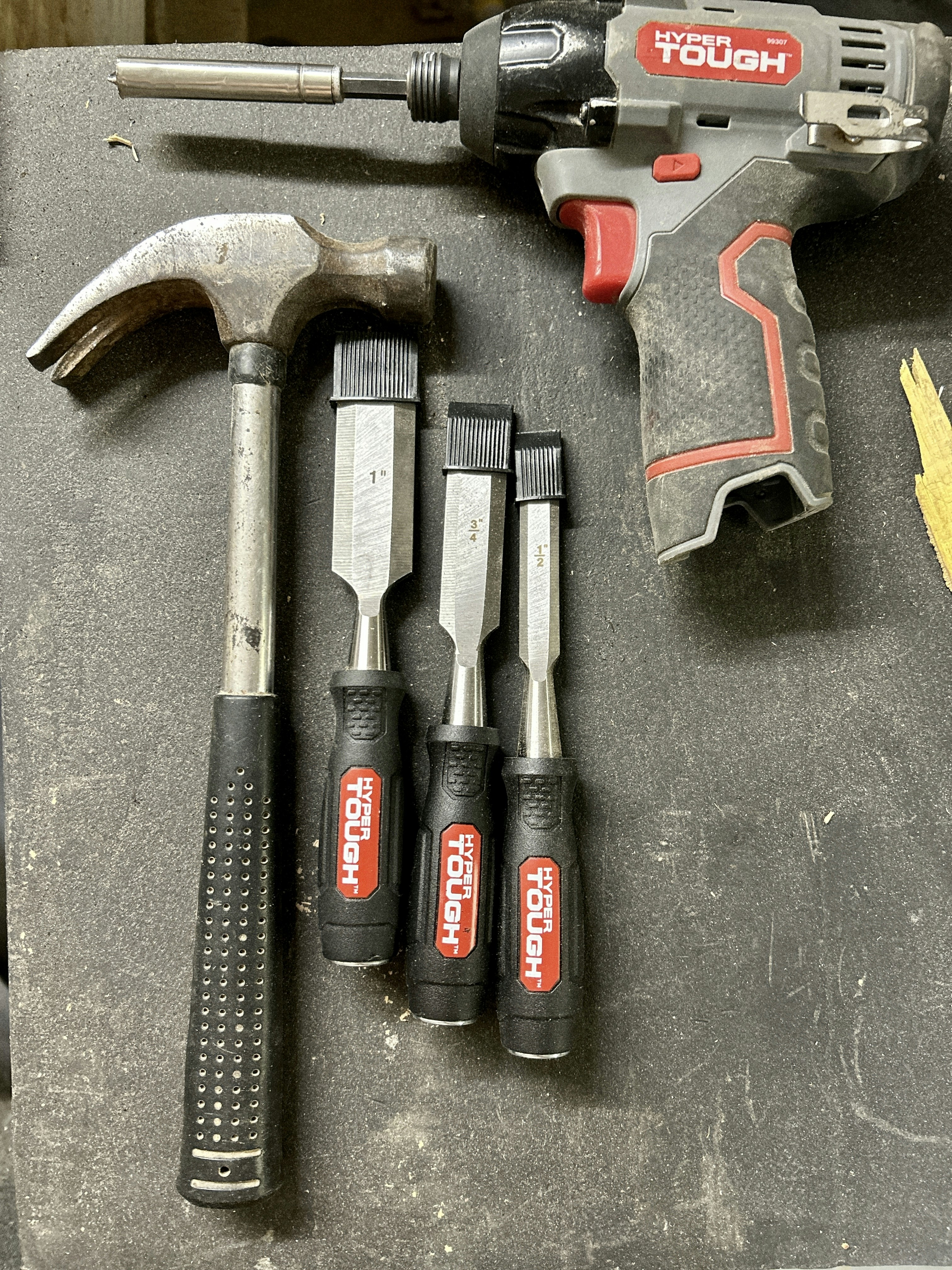
The Universal Favorite: Why Experts Can’t Live Without a Drill
In the realm of home improvement, the drill stands out as a quintessential tool that is championed by professionals and amateurs alike. The widespread agreement among experts highlights not just the drill’s versatility, but also its ability to simplify and expedite a variety of tasks. Whether it is for hanging pictures, assembling furniture, or performing more complex renovations, the drill is an invaluable asset.
One of the key aspects that make the drill so essential is its multifunctionality. With the right attachments, a drill can easily switch from drilling holes into wood or drywall to driving screws, making it suitable for numerous applications. This dual capability is particularly beneficial for homeowners looking to tackle multiple projects with one tool, thereby reducing the need for a large assortment of equipment.
Moreover, the frequency of use associated with a drill further cements its reputation as a must-have in any toolkit. According to various experts in the field, drills are among the most commonly utilized tools during home improvement tasks. Regular use translates to improved efficiency and convenience, which are crucial for any homeowner wishing to execute projects timely and effectively.
Expert testimonials often illustrate the impact that a drill can have on a variety of projects. For instance, a home renovation specialist might recount how a drill significantly decreased the time required to install shelves and cabinetry. This efficiency not only aids in completing projects faster but also enhances the overall quality of work by providing precise control during drilling and fastening tasks.
Ultimately, for individuals seeking to undertake home improvement endeavors, investing in a quality drill is paramount. It not only serves as a reliable tool for everyday tasks but also acts as a gateway to accomplishing more ambitious projects. Thus, the drill truly deserves its standing as the universal favorite among home improvement enthusiasts and professionals.
The Case for Overrated Tools: What Experts Think About Common Choices
In the realm of home improvement, certain tools often emerge as beloved staples among DIY enthusiasts and professionals alike. However, there exists a significant discourse surrounding the efficacy and necessity of some of these tools, purportedly leading them to be classified as overrated. This section delves into five such tools, examining the arguments both in favor and against their widespread use.
Firstly, let us consider the ever-popular electric screwdriver. Proponents of this tool argue that it provides unmatched convenience and saves time, especially for repetitive tasks. Its ability to drive screws with minimal effort is highly appreciated by many. However, experts argue that reliance on an electric screwdriver can lead to stripped screws and a lack of precision that manual options, like the traditional hand-held screwdriver, can offer.
Moving on, we encounter oscillating multi-tools, which are celebrated for their versatility. Supporters claim they can perform a multitude of tasks, from sanding to cutting, essentially replacing several tools in one. Conversely, critics highlight that while they may handle various functions, their effectiveness is often inferior to specialized tools designed for specific jobs, potentially leading to less efficient results.
Next, the reciprocating saw is often touted for its ability to tackle challenging cuts in tight spots. While this power tool simplifies certain demolition tasks, the case against it is related to its lack of finesse—particularly in detailed woodworking or finish work, where precision is paramount.
The fourth tool worth mentioning is the laser level, which many consider indispensable for achieving straight lines and accurate measurements. Yet, professionals caution that in certain environments, the reliance on laser technology can be misleading due to shadows or obstructions, suggesting that traditional levels should not be completely dismissed.
Finally, we explore the air compressor, a tool frequently heralded for its utility in powering pneumatic tools. It is important to recognize that the necessity of such a tool can be misrepresented, especially for home projects typically accomplished with simpler, manual options. The size, noise, and maintenance demands of an air compressor often outweigh the benefits for many casual users.
In conclusion, while these commonly used tools have their advocates, expert perspectives illuminate the complexities surrounding their practicality and effectiveness. It is essential for users to carefully assess the tools that best suit their needs and the context of their projects to avoid falling victim to the hype of overrated options.
Debunking The Myths: A Closer Look at Misunderstood Tools
In the realm of home improvement, the various tools available can provoke a range of opinions. Tools such as oscillating multi-tools, laser levels, and impact drivers often receive polarized reviews from both professionals and DIY enthusiasts. This discourse can be attributed to a variety of factors, including personal preferences, specific project needs, and even marketing influences. By diving deeper into these tools and understanding their strengths and weaknesses, we can disentangle the myths surrounding them.
Take the oscillating multi-tool as an illustration. Many perceive it solely as a niche tool, effective only for specific tasks such as sanding or scraping. However, its versatility and efficiency in making precise cuts and handling intricate work often go unrecognized. Home improvement experts highlight its role as an essential tool for reaching into tight spaces or performing tasks with minimal dust compared to traditional cutting methods. Thus, while it might not be the go-to tool for every job, its utility in certain scenarios is undeniable.
Moreover, laser levels, considered by some as an overpriced gadget, actually provide considerable benefits that enhance accuracy and save time. Their ability to project straight lines and levels allows for a significant increase in precision during installations, rendering them invaluable for both contractors and do-it-yourselfers tackling extensive home projects. While they may not replace traditional measuring tools altogether, they offer unique advantages that can simplify many tasks.
Finally, the impact driver has gained fame for its power and efficiency in driving screws, yet it is sometimes deemed unnecessary compared to standard drills. While not every user may need the added torque that an impact driver offers, especially for light-duty projects, for significant construction tasks, it significantly reduces fatigue and increases productivity. Therefore, understanding the context in which these tools excel is crucial for homeowners aiming to enhance their home improvement capabilities.
In the end, each tool’s value is context-dependent. By recognizing both the strengths and limitations of these often-misunderstood tools, users can make more informed decisions that align with their home improvement objectives, optimizing their tool collection effectively.
Practical Recommendations: Starting Your Home Improvement Journey
Beginning a journey in home improvement can be both exciting and overwhelming. To ensure a successful start, it is essential to build a tool collection that meets your needs without excess expenditure. First, prioritize essential tools that provide the best value for their versatility and usefulness. A high-quality drill, for instance, is a paramount investment. This tool is fundamental for various projects, making it indispensable for any homeowner or DIY enthusiast.
When considering your initial purchases, focus on tools that can serve multiple functions. A combination of a drill and a basic toolkit, including a hammer, pliers, and screwdrivers, will cover most minor repairs and improvements. As you grow more comfortable with different tasks, you can gradually expand your collection. Look for tools that are known for their durability and user-friendliness, which can enhance your skill and confidence over time.
As you embark on this journey, evaluate your specific projects and skill levels to determine which tools you will need next. Engaging with community workshops, online forums, and instructional videos can provide valuable insights and help in making informed decisions. These resources may also introduce you to specialized tools tailored for specific tasks, ensuring that each addition to your toolkit is relevant and effective.
Moreover, consider purchasing tools from reputable brands, as they often offer warranties and customer support, further assuring quality and reliability. By being strategic and thoughtful in your selections, you can build a comprehensive toolkit that not only meets your immediate home improvement needs but also grows along with your abilities and aspirations.
In conclusion, starting your home improvement journey should be a calculated process. By investing wisely in essential tools, beginning with a robust drill, and expanding based on your specific project requirements, you will establish a solid foundation for all your future home improvement endeavors.
If you’re interested in purchasing the item you seek, please click the link for additional details: #americanachoice.
https://amzn.to/3SBN3Oy
AFFILIATE DISCLOSURE: I am an affiliate for this company, I am not a paid employee.
I may receive a commission if you click a link on this page and choose to purchase something.
You can rest assured I will only share things I believe in and will be valuable to you.