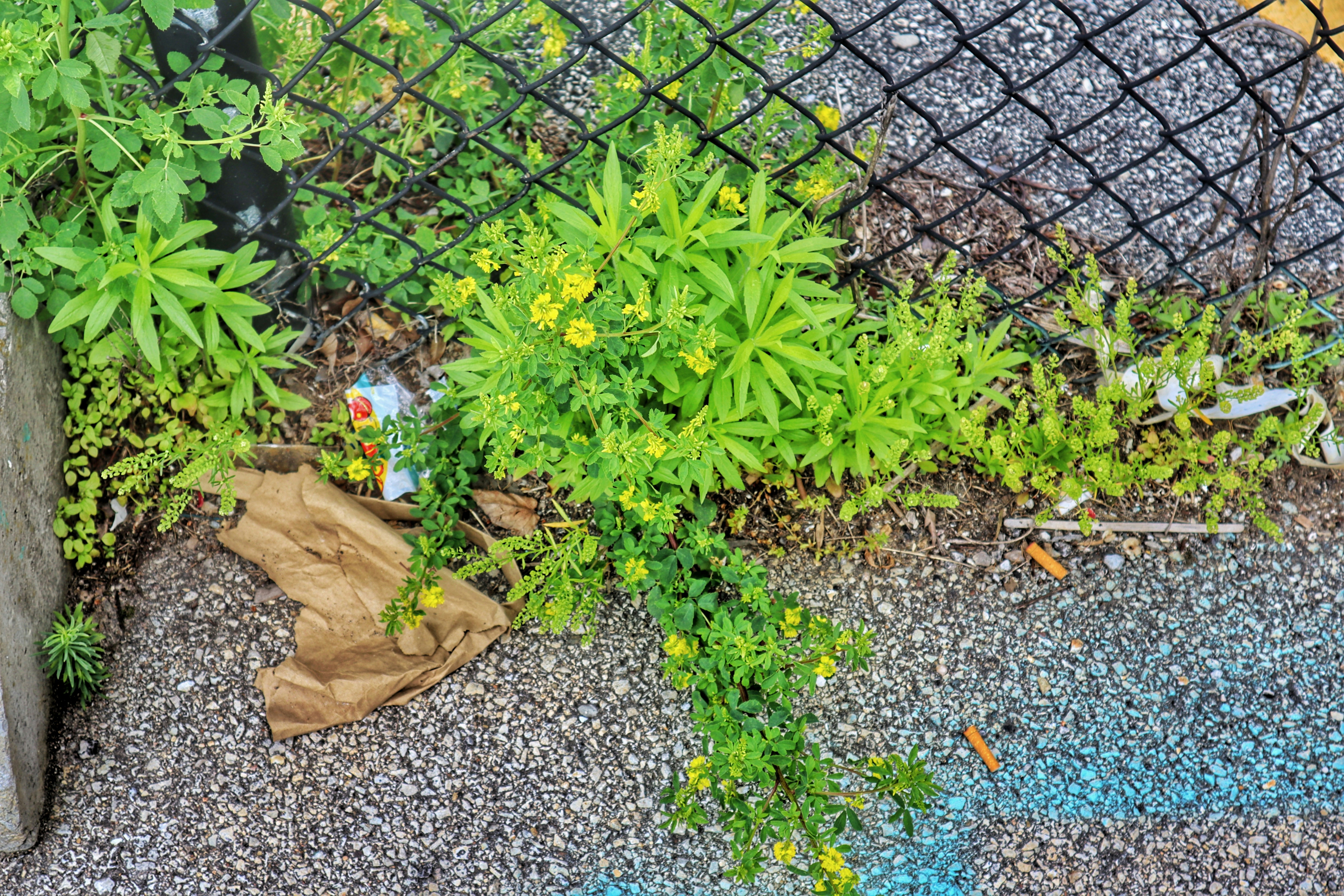
Understanding Weeds and Their Impact on Lawns
Weeds are often perceived as the unwelcome invaders of well-maintained lawns, and rightfully so, as they compete fiercely with desirable plants for vital resources such as nutrients, water, and sunlight. Understanding the nature of weeds is essential for homeowners who wish to maintain a flourishing lawn. There are various types of weeds, each with distinctive characteristics and growth patterns that can present significant challenges for lawn care.
Broadly categorized, weeds can be found in two forms: annual and perennial. Annual weeds, such as crabgrass and corkscrew weed, typically complete their life cycle within one growing season. These weeds tend to germinate quickly, sprout, flower, and die within a short period, potentially overwhelming a lawn if not managed early on. In contrast, perennial weeds, including dandelion and clover, can live for several years and often grow back stronger after being uprooted, making them particularly troublesome for homeowners.
The growth patterns of weeds can further complicate lawn care. Many weeds have deep roots, allowing them to access moisture and nutrients that neighboring plants may be unable to reach. Furthermore, certain weeds adapt well to a range of conditions, thriving even in suboptimal environments. This adaptability can hinder efforts to cultivate a healthy lawn, as weeds often proliferate in areas that may be stressed due to compaction, poor drainage, or nutrient deficiencies.
Given the relentless nature of weeds, effective weed control becomes a cornerstone of lawn maintenance. A comprehensive approach that includes proper mowing, watering, fertilization, and the use of appropriate herbicides, whether chemical or organic, plays a crucial role in minimizing the presence of weeds. Thus, understanding the types of weeds prevalent in Indianapolis lawns and their respective growth behaviors can empower homeowners to implement effective strategies for weed management.
Overview of Commercial Weed Killers: Roundup, Spectracide, and Preen
Commercial weed killers are widely utilized by homeowners and professionals for their efficiency in controlling unwanted plant growth. Among the most prominent products on the market are Roundup, Spectracide, and Preen. Each of these weed control solutions features distinct active ingredients that contribute to their effectiveness and mode of action.
Roundup, primarily known by its active ingredient glyphosate, functions as a post-emergent herbicide. This means it targets weeds that have already emerged, allowing for effective control of established plants. Glyphosate operates by inhibiting a specific pathway in plants that is crucial for growth, making it highly effective against a broad range of weeds. However, its use has raised concerns due to potential environmental impacts and health risks associated with its application, particularly near desired plants.
Conversely, Spectracide contains various synthetic herbicides, including ingredients like diquat and s-metolachlor. It serves both as a post-emergent and pre-emergent option, which can simultaneously tackle existing weeds and prevent future growth. This dual functionality makes Spectracide versatile, although its safety profile also warrants careful application to prevent unintended harm to surrounding vegetation.
Preen, on the other hand, stands as a primarily pre-emergent herbicide, making it effective at preventing weed seeds from germinating in the first place. The active ingredients in Preen, typically trifluralin and dimethenamid-p, focus on disrupting the development of weed seedlings. This product is particularly useful in garden settings where maintaining the health of desired plants is paramount, as it tends to pose a lower risk to established plants than its post-emergent counterparts.
Through analyzing these products, it becomes clear that each offers unique benefits and drawbacks. Understanding their mechanisms, effectiveness against different types of weeds, and any potential environmental impacts is essential for making an informed choice in weed management strategies.
Organic Alternatives for Weed Control
As awareness of environmental issues grows, many homeowners are seeking organic alternatives for weed control that are both effective and eco-friendly. In Indianapolis, where maintaining a healthy lawn is essential, various organic methods can be employed to eliminate weeds without the use of harsh chemicals.
One popular organic method is the use of natural herbicides. There are several commercially available herbicides made from natural ingredients, such as clove oil and vinegar, that act as effective weed deterrents. These natural herbicides can be applied to the targeted areas, offering a safer alternative for families and pets while still providing an effective means of controlling unwanted vegetation.
Another method is mulching, which involves covering soil with organic materials like straw, grass clippings, or wood chips. Mulch not only suppresses weed growth by blocking sunlight but also retains moisture and improves soil quality as it decomposes. This dual-purpose approach makes mulching a beneficial practice for any lawn.
Hand weeding remains one of the oldest and most reliable methods for weed control. By physically removing weeds from the root, homeowners can prevent them from re-sprouting. While this method can be labor-intensive, it allows for precise control over which plants are eliminated, thus maintaining the overall health of the lawn.
Furthermore, household items such as boiling water can serve as a homemade weed killer. Pouring boiling water directly onto weeds can scald them, effectively killing the unwanted plants. Similarly, vinegar, due to its acetic acid content, can also be used as a weed killer when applied directly to the leaves of the plants.
Implementing these organic alternatives not only aids in managing weeds but promotes healthier soil and a more sustainable ecosystem overall. By reducing reliance on chemical herbicides, homeowners contribute to environmental well-being while maintaining the beauty of their lawns.
Comparative Effectiveness and Making the Right Choice
Weed control is an essential aspect of maintaining healthy landscapes, and with multiple options available, choosing the right product can be challenging. In this comparative analysis, we will evaluate the effectiveness, safety, and environmental impact of four popular weed control methods: Roundup, Spectracide, Preen, and organic alternatives.
Roundup is known for its powerful glyphosate-based formula, which effectively targets a wide range of weeds. It is generally quick-acting; however, concerns surrounding its safety, particularly its potential links to environmental harm and health risks, have raised red flags among users. It is recommended for use in situations where immediate results are essential, but awareness of its risks is crucial.
Spectracide provides an alternative that utilizes a different active ingredient, focusing on both grassy and broadleaf weeds. While it offers a fast solution, the product is still chemical-based and should be applied judiciously. Users should avoid areas frequented by pets or children shortly after application.
Preen distinguishes itself as a pre-emergent herbicide, preventing weed seeds from germinating. Its effectiveness is highly regarded among gardeners seeking long-term solutions. Preen has a relatively lower toxicity profile compared to chemical herbicides, making it a safer choice for families and pets.
Organic alternatives, which include options like vinegar or corn gluten meal, are regarded as environmentally friendly. While they may require more frequent application and generally show slower results, they pose significantly reduced risks to human health and ecosystems. Users should consider these alternatives in non-critical situations.
In conclusion, the choice of weed control should be tailored to individual needs and circumstances. Understanding the comparative effectiveness, safety, and environmental impact of Roundup, Spectracide, Preen, and organic methods will aid homeowners in making informed choices that suit their lawn care requirements.
If you’re interested in purchasing the item you seek, please click the link for additional details: #americanachoice.
https://amzn.to/3SBN3Oy
AFFILIATE DISCLOSURE: I am an affiliate for this company, I am not a paid employee.
I may receive a commission if you click a link on this page and choose to purchase something.
You can rest assured I will only share things I believe in and will be valuable to you.