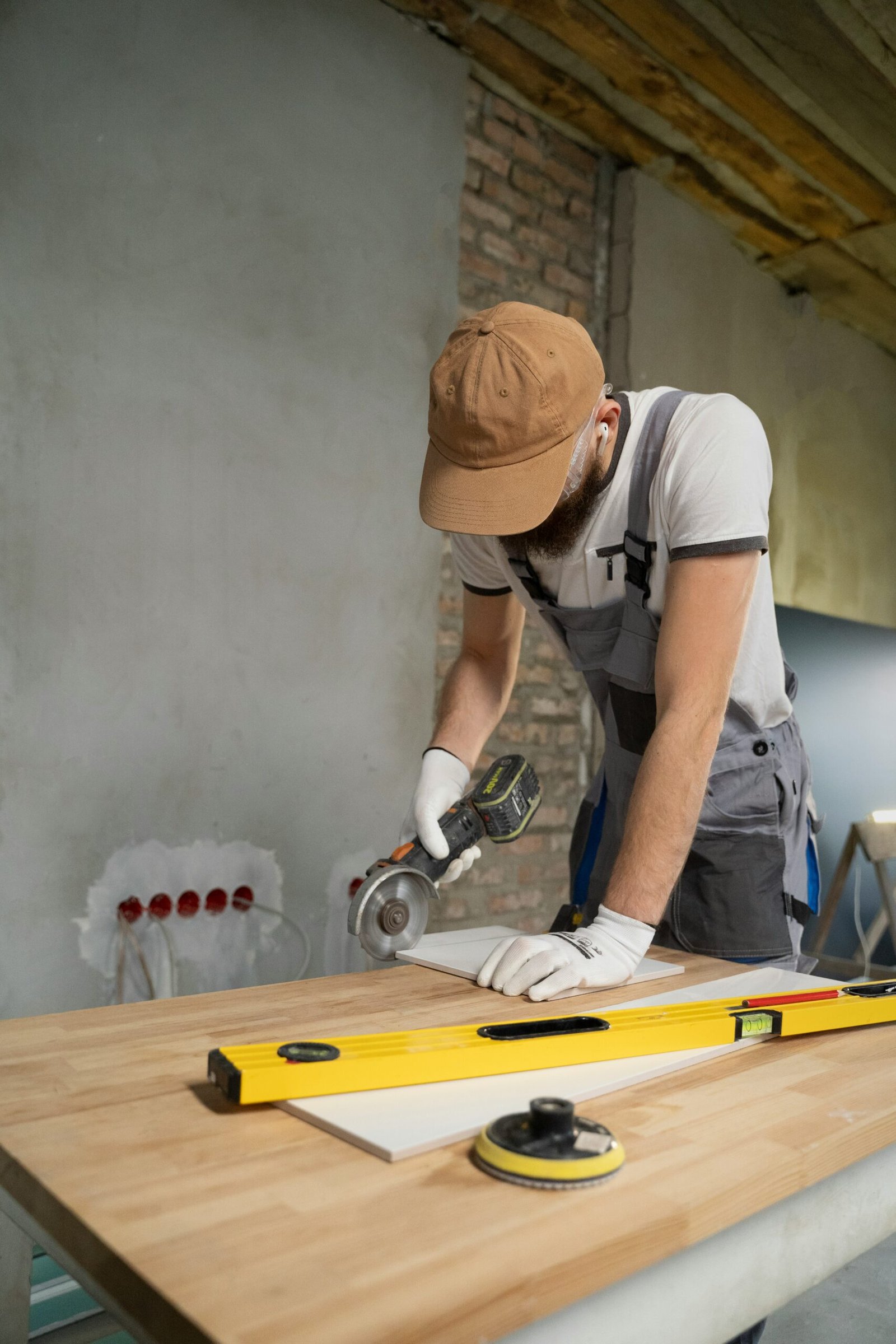
The Highs and Lows: The Joy of Finishing
Completing a home project often brings a profound sense of satisfaction that is difficult to articulate until one experiences it firsthand. After weeks, or even months, spent pouring energy and resources into a project, the moment of realization that you have successfully transformed your space can be exhilarating. This sense of achievement can foster a surge of emotions ranging from joy to pride as you step back to admire your handiwork.
Many who embark on home projects begin with enthusiasm, tempered by challenges that test their patience and resolve. During these initial stages, frustrations may arise as unforeseen obstacles present themselves—needing extra materials, managing time constraints, or adapting plans to unexpected realities. Yet, it is exactly these hurdles that make the finish line so rewarding. The journey may be arduous, but the triumph of overcoming each challenge adds to the value of the final product.
Anecdotal evidence from those who have tackled similar projects reveals that the feeling of accomplishment is often accompanied by a moment of nostalgia. Many recall standing in a finished space, reflecting on the sweat and effort invested. Whether it’s a freshly painted room, a new garden path, or a renovated kitchen, these completed projects become more than just aesthetic upgrades; they represent personal milestones and cherished memories forged through hard work.
Moreover, these experiences often foster a deep connection to one’s home, transforming it into a space filled with not just physical structures but also emotional significance. Each element incorporated into the design serves as a testament to perseverance and creativity. Celebrating these realizations further adds to the joy of finishing a project, as it becomes not only an improvement of the environment but also a manifestation of the homeowner’s dedication and vision.
The Regret of Starting: What You Wished You Knew
Embarking on a home project often comes with an exhilarating sense of anticipation. However, for many DIYers, this excitement can quickly transform into a wave of regret as they encounter unexpected challenges. Many individuals who have taken on this journey find themselves wishing they had fully comprehended the true scope of their projects from the onset.
One of the most prevalent feelings shared by those who have engaged in a home project is the unforeseen costs that arise. Initially, homeowners may allocate a certain budget, sufficient for the materials and basic tools needed. Yet, as the project progresses, additional expenses often emerge. These can include unplanned repairs, higher-than-expected material costs, or even the necessity of hiring professional help to correct errors made during the DIY process. Such financial surprises can lead to frustration and regret, with the realization that the project has salubriously exceeded its original budget.
Time commitments are another critical aspect that many underestimate. A home project that appears manageable in the initial planning stages can become an overwhelming task, consuming weeks or even months of time. Readers often report feeling disillusioned when they realize that their ambitions were built on an optimistic timeline that did not align with reality. The hours spent juggling work, family responsibilities, and project tasks frequently lead to fatigue and disappointment.
Moreover, those who have embarked on DIY home projects often recount moments of doubt. This phenomenon is especially poignant when faced with the sheer volume of tasks, such as structural challenges or intricate design work. These experiences of uncertainty can lead to a deeper contemplation of whether they should have taken on the project at all or consulted a professional from the beginning.
The Never-Ending Store Runs: The 3rd Trip to the Hardware Store
Engaging in a home project often brings with it the inevitable reality of multiple trips to the hardware store. It is a shared experience among DIY enthusiasts, where the excitement of starting a new project is soon met with the realization that one does not quite have everything they need. On any given project day, it is not uncommon for a person to venture out only to return home with slightly fewer items than anticipated. This is particularly true by the time one reaches the third trip.
Take, for instance, the task of installing shelves. What may begin with an enthusiastic plan quickly descends into chaos when it becomes apparent that the screws are not the right size, or worse yet, the right type altogether. As a seasoned DIYer, the thought of forgetting to purchase something critical may seem familiar; you finish one part of the project only to realize that you are a significant item short. The proverbial light bulb flickers on, and the realization sets in that you will have to brave the store once again.
These trips are not just about fetching forgotten items; they often transform into little adventures. While standing in the aisle, surrounded by myriad bolts, paints, and other supplies, a fellow DIYer might strike up a conversation, sharing in both the humor and frustration of their projects. Such interactions can foster camaraderie and an unspoken bond with others who understand the trials and triumphs of home improvement.
This cycle of visiting the hardware store for forgotten or misjudged materials highlights a shared understanding among those who undertake home projects. Despite the momentary frustration, these escapades could be the very backbone of the home improvement community, enriching the overall experience of DIY endeavors with humor, learning, and connection.
Building Community Through DIY: Shared Struggles and Triumphs
Engaging in home improvement projects often transcends the scope of individual efforts, nurturing a sense of community among neighbors, friends, and family members. The journey of tackling a DIY home project is filled with shared struggles and triumphant moments that forge connections between those who participate. A shared commitment to enhancing personal living spaces enables individuals to bond over collective experiences, creating a supportive environment where everyone can contribute their skills and insights.
Through social media platforms and community forums, DIY enthusiasts frequently share their stories, including the challenges they faced and the innovative solutions they discovered. This exchange of information not only provides valuable tips and lessons learned but also cultivates a sense of camaraderie, fostering teamwork. The informal network built within these communities can be incredibly beneficial, as participants often offer advice, equipment, or even lend a hand when needed.
The essence of American DIY culture lies in the willingness to support one another through both failures and achievements. Celebrating the completion of a home project with neighbors or friends not only enhances personal satisfaction but also strengthens social ties. When individuals showcase their newly completed renovations or offer advice based on their experiences, they contribute to a larger narrative of community resilience and creativity.
Moreover, the act of sharing mistakes allows for collective learning. By acknowledging setbacks and discussing what went wrong, community members can help one another avoid similar pitfalls in their future projects. Ultimately, the collaborative spirit of DIY home projects underscores the importance of communication and interaction within communities, reinforcing the idea that we are all part of a larger endeavor in the pursuit of improvement—both in our homes and in our relationships.
If you’re interested in purchasing the item you seek, please click the link for additional details: #americanachoice.
https://amzn.to/3SBN3Oy
AFFILIATE DISCLOSURE: I am an affiliate for this company, I am not a paid employee.
I may receive a commission if you click a link on this page and choose to purchase something.
You can rest assured I will only share things I believe in and will be valuable to you.