The June Breakdown Phenomenon
Each year, as the calendar turns to June, homeowners around the country seem to experience an uncanny coincidence: the breakdown of their once-reliable household systems and appliances escalates to near-comical levels. It begins subtly, often with the outdoor features such as fence gates and patio furniture becoming inexplicably stubborn. A gate that swung open effortlessly throughout spring may suddenly jam, leaving frustrated owners wrestling with hinges and latches.
Moving indoors, one may observe a similar pattern. Dishwashers, air conditioning units, and other household appliances seem to have an unspoken agreement to fail just as the temperatures begin to rise. Homeowners often jest that their appliances have developed a keen sense of timing, knowing exactly when the summer heat will kick in—the ideal moment to break down and cause inconvenience.
This June breakdown phenomenon has not gone unnoticed, and many anecdotal tales attest to its plausibility. A homeowner recounted the sudden failure of their air conditioning unit just as they were preparing for the first heat wave. In a panic, they called for repairs, only to find themselves hastily searching online for fans and ice packs as they awaited an available technician. Another tale comes from a family who hosted a backyard barbecue only to discover their grill had lost its ability to ignite days before, resulting in a creative alternative meal plan.
While these experiences may seem humorous, they also underscore a significant reality: June marks a time of stress for many homeowners as they navigate unexpected equipment failures. This unexplainable trend has led to the emergence of a conspiracy theory among homeowners, suggesting that appliances and systems collectively conspire to break down during the month of June, possibly as a means to secure early summer repairs under pressure.
Coincidences or Code?
As homeowners, many of us have experienced the baffling reality of household appliances, plumbing systems, and other essential components breaking down in June. This month, traditionally associated with the onset of summer, seems to be a particularly problematic time for many. The question that arises is whether these breakdowns are mere coincidences or if they suggest a more profound underlying pattern that we might be overlooking.
One might wonder whether the increased heat and humidity characteristic of June contribute to these issues. For instance, air conditioning units are suddenly pushed to their limits when high temperatures arrive. This frequent use can strain older units, leading to malfunctions. Additionally, the change in environmental conditions, such as fluctuations in humidity levels, might exacerbate issues like mold or weaken structural integrity in homes. Perhaps it is not mere chance that appliances falter when summer heat waves strike.
On a lighter note, some playful conspiracy theories tickle the imagination regarding these patterns of breakdowns. Homeowners might speculate if there is an unwritten code amongst appliances, where breaking down in June is a rite of passage. Others might humorously suggest that technologies have a seasonal mood, opting for a vacation of their own as soon as the sunny days appear. Such theories, while not grounded in serious investigation, foster a sense of community, inviting individuals to share their own amusing anecdotes about the items that failed them at the worst possible time.
In this context, we invite readers to ponder their own experiences with summer breakdowns. Have you encountered inexplicable maintenance woes as summer began? Is it the heat that makes appliances rebellious, or is it simply the universe’s quirky sense of timing? Engaging in this playful dialogue may provide comfort and camaraderie among homeowners who often feel alone in their frustrations.
Preparing for the June Apocalypse
As June approaches, homeowners must brace themselves for the potential for chaos within their households. The theory that everything coincidentally breaks down during this month is not only amusing but also a practical observation for many. To navigate this potential crisis effectively, it is advisable to prepare a comprehensive “survival kit” that would equip you with essential tools and materials necessary for emergency repairs.
Firstly, consider stocking your kit with a range of tools. A good, multi-purpose toolkit is indispensable, encompassing screwdrivers, pliers, hammers, and wrenches. These tools will enable you to address various minor repairs that may crop up unexpectedly. Additionally, including a sturdy ladder can be beneficial for reaching high places, such as cleaning gutters or changing light bulbs.
In terms of emergency repair materials, having duct tape, super glue, and a roll of electrical tape can provide quick fixes for a plethora of household issues. Also, do not forget to include spare batteries for smoke detectors and flashlights, as these can ensure your home remains safe during unpredictable electrical outages.
Creating a checklist can further streamline your preparation efforts. Documenting resources such as local handyman services, emergency contact information, and important appliance repair specificities can offer you peace of mind. Knowing who to call when problems arise can turn a potential disaster into a simple inconvenience.
Lastly, embrace a light-hearted perspective on these preparations. Being ready for challenges can reduce the stress levels when appliances or systems falter. With the right tools and resources at hand, you can navigate the June apocalypse with confidence, transforming unforeseen breakdowns into manageable tasks. This proactive approach not only alleviates the anxiety associated with potential mishaps but also enhances your homeownership experience.
DIY Fixes vs. Calling the Professionals
As summer arrives, homeowners often find themselves grappling with various maintenance issues. From air conditioning failures to plumbing leaks, problems frequently pop up in June. While some of these issues can present real challenges, knowing when to tackle them yourself or when to call for professional assistance is essential for effective home management.
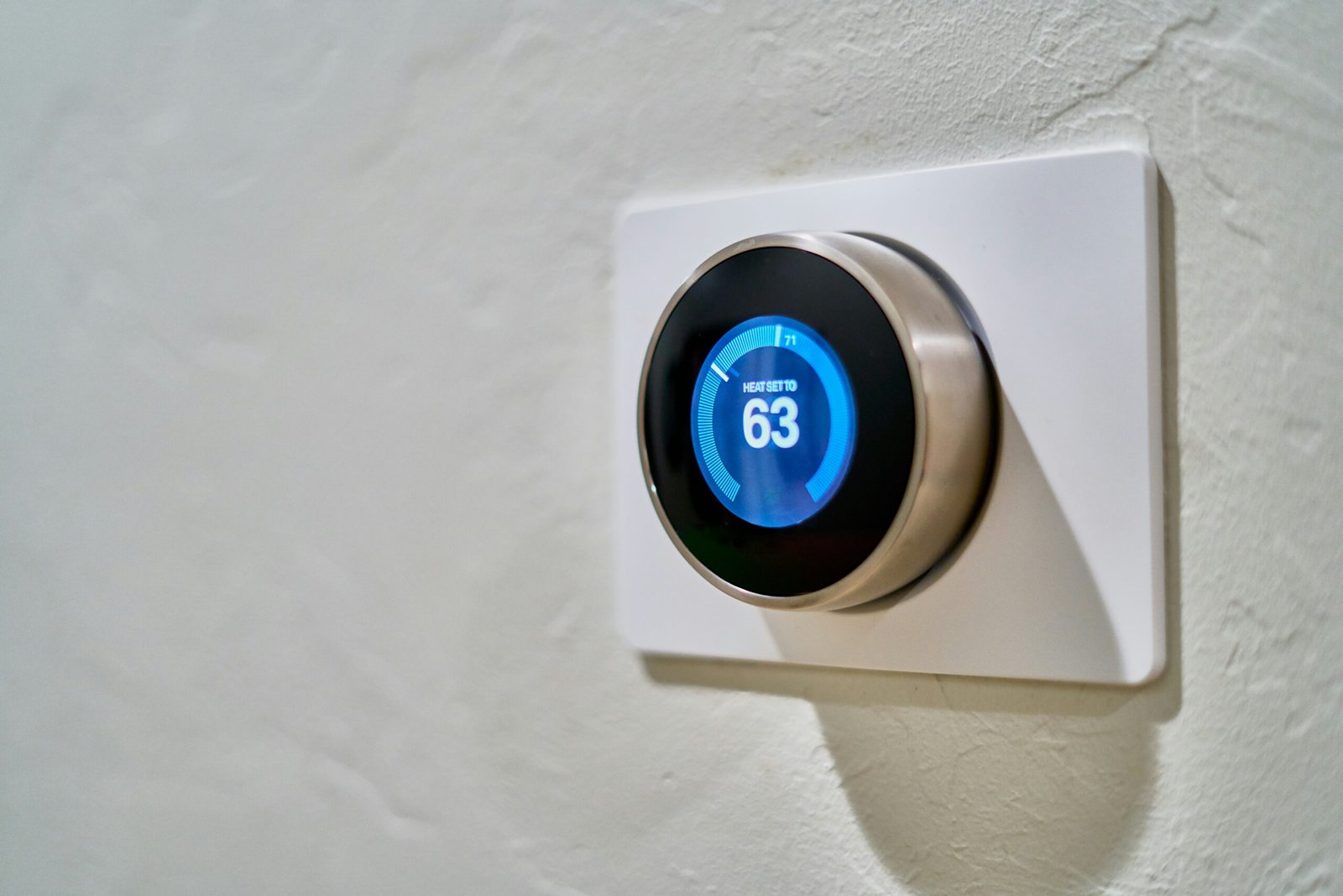
A good rule of thumb is to consider the complexity of the issue at hand. For instance, if your air conditioning unit is not cooling properly, start with simple troubleshooting. Check the thermostat settings, clean or replace the air filter, and ensure that the outdoor unit is free of debris. These basic modes of intervention might resolve the problem quickly and without the expense of a technician. However, if the system exhibits unusual noises or does not operate even after basic checks, it is advisable to contact a professional HVAC technician. Their expertise can prevent further damage and ensure your system runs efficiently throughout the summer heat.
Similarly, minor plumbing leaks or drips can often be repaired by homeowners with basic tools. Sealing a faucet or tightening a loose connection generally falls within the DIY realm and can save both time and money. However, more serious issues such as sewage backups or broken pipes are best left to experts, as they might require extensive repairs and specialized knowledge. Additionally, attempting to fix them on your own may pose health risks and lead to costly damage if not executed properly.
In conclusion, while the summer months may bring an array of home repair challenges, understanding the distinction between DIY fixes and professional services empowers homeowners. With this knowledge, individuals can confidently address minor issues themselves while knowing when to enlist the help of skilled experts for more complicated repairs.
If you’re interested in purchasing the item you seek, please click the link for additional details: #americanachoice.
https://amzn.to/3SBN3Oy
AFFILIATE DISCLOSURE: I am an affiliate for this company, I am not a paid employee.
I may receive a commission if you click a link on this page and choose to purchase something.
You can rest assured I will only share things I believe in and will be valuable to you.