Understanding Water Quality in Indianapolis
Water quality in Indianapolis is a critical concern for both residents and municipal services. The city sources its water from two primary locations: groundwater and surface water supplies. The majority of drinking water comes from the White River and several groundwater wells, which collectively serve a diverse population. Given this multi-sourced approach, understanding the composition and quality of the water is essential for residents, especially those considering various water filtration systems.
Common contaminants found in Indianapolis water include chlorine, lead, heavy metals, and microorganisms. Chlorine is utilized extensively as a disinfectant during the treatment process to eliminate harmful pathogens. However, some residents remain concerned about the potential side effects it may have on both health and taste. Lead, often introduced through aging plumbing infrastructure, poses a significant risk, especially in older homes. Heavy metals can also be present as a result of industrial runoff or mining activities that could affect local water supplies.
Municipal services employ several treatment methods to address these challenges. These include conventional filtration, chemical disinfection, and in some cases, reverse osmosis. While these treatment methods effectively remove many contaminants, they may not eliminate all harmful substances, leading individuals to seek additional solutions. This is where residential water filtration systems come into play, often marketed as enhanced solutions for improving water quality.
Understanding local water quality is imperative for residents. It enables them to make informed decisions regarding their health and safety, particularly when considering the installation of water filtration systems. With varying levels of efficacy and technology among filtration products available in the market, grasping the nuances of water quality helps individuals assess whether such systems are suitable for their specific needs. As a result, many residents are encouraged to test their water quality before making investment decisions regarding home filtration solutions.
Types of Water Filtration Systems
Water filtration systems are essential for enhancing the quality of drinking water. Various types exist, each serving distinct purposes, which can help Indianapolis residents make informed choices. One of the most common types is the activated carbon filter. This system utilizes carbon to adsorb impurities such as chlorine, volatile organic compounds (VOCs), and sediment. The primary benefit of activated carbon filters is their ability to significantly improve taste and odor in water. However, they may not effectively remove certain contaminants, such as heavy metals or microorganisms, making them ideal for basic filtration needs.
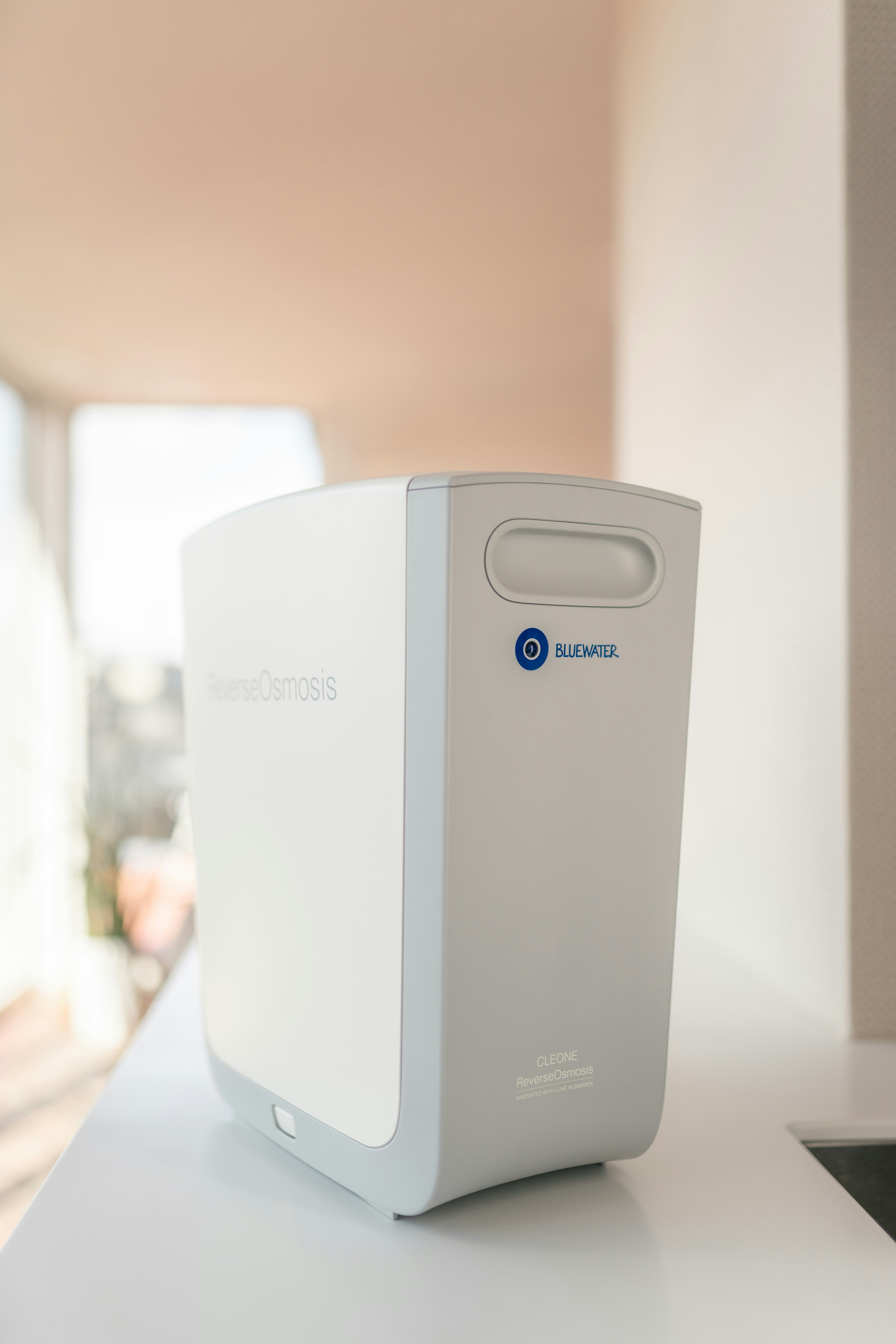
Another widely employed method is reverse osmosis (RO). This filtration system forces water through a semi-permeable membrane, removing up to 95% of dissolved salts, contaminants, and pathogens. The distinct advantage of reverse osmosis is its ability to provide thorough purification, catering to households with high-quality water demands. However, RO systems can waste a significant amount of water during the filtration process, and they might require periodic maintenance to replace the membrane and filters.
Ultraviolet (UV) purifiers present a unique filtration option, utilizing UV light to disinfect water by targeting bacteria and viruses. This method does not alter the water chemically, thereby preserving its taste and quality. While UV purifiers are excellent for eliminating biological contaminants, they require a consistent electricity supply and do not remove physical sediments or chemicals.
Lastly, whole-house filtration systems offer a comprehensive solution. These systems are installed at the main water supply entry point and can address a wide range of impurities. They provide treated water for every tap or outlet in a home, making them suitable for families who prioritize cleanliness. However, these systems can come with higher initial costs and require ongoing maintenance, depending on the type of filter media used.
Marketing Hype vs. Reality
In recent years, the market for water filtration systems has expanded significantly, with a plethora of brands claiming to provide superior solutions for purifying drinking water. However, much of the information circulated by manufacturers can often be misleading, making it essential for consumers in Indianapolis to critically assess the validity of such claims. Understanding the actual performance of these systems versus the marketing hype is vital for informed decision-making.
One common misconception is that all filtration systems can effectively eliminate a broad range of contaminants. Marketers often emphasize their products’ ability to remove chemicals, bacteria, and heavy metals, yet the reality is more nuanced. For instance, certain filters, such as activated carbon filters, may excel at removing specific contaminants like chlorine and volatile organic compounds, but they are not effective against heavy metals or certain pathogens. Consequently, consumers must be aware of the specifications and limitations of each filtration system they consider.
Additionally, some companies promote their systems as being essential for health and wellness without sufficient evidence to justify these claims. While access to clean water is undoubtedly crucial for health, many filtration systems do not address all the contaminants residents of Indianapolis may worry about. This disconnect between marketing rhetoric and scientific reality creates an environment where consumers can feel overwhelmed and confused. Therefore, it is critical to seek third-party evaluations and certification from credible organizations to validate the effectiveness of any filtration systems being considered.
Finally, understanding that some filtration products may address only specific issues allows consumers to make more informed choices. By differentiating between marketing hype and scientifically supported benefits, one can select a water filtration system that reliably improves drinking water quality while being aware of the inherent limitations.
Choosing the Right Filtration System for Your Needs
Selecting the appropriate water filtration system for your home or business can be a daunting task, given the vast array of options available in the market today. To begin the decision-making process, it is crucial to evaluate your specific water quality needs. Start by conducting a water quality test to identify contaminants present in your supply. Common issues that residents might face in Indianapolis include hard water, chlorine, and sediment. Understanding the composition of your water will help pinpoint the right filtration solution, whether it be a reverse osmosis system, activated carbon filters, or UV purification systems.
Next, consider the capacity and flow rate of the system you require. Households with multiple members may benefit from a unit that can handle larger volumes of water, while smaller setups might suffice for single residents or couples. Check the manufacturer’s specifications for these metrics, as they can significantly impact ongoing water accessibility and convenience.
Cost is another essential factor. Water filtration systems range from low-cost, simple pitcher filters to more advanced, higher-priced full-home systems. In addition to the initial purchase price, assess the cost of maintenance and replacement parts, as these expenses can accumulate over time. For instance, some systems require frequent filter changes, which can add to their total lifetime cost.
Finally, make sure to look for the necessary certifications when selecting a filtration system. Certifications from organizations such as NSF International or the Water Quality Association denote that the filters meet certain safety and performance standards. This aspect not only ensures the effectiveness of the system but also provides peace of mind regarding the quality of water that you and your family will consume.
By considering these factors—water quality, system capacity, overall cost, and certification—you can make a well-informed choice that aligns best with your individual needs and lifestyle.
If you’re interested in purchasing the item you seek, please click the link for additional details: #americanachoice.
https://amzn.to/3SBN3Oy
AFFILIATE DISCLOSURE: I am an affiliate for this company, I am not a paid employee.
I may receive a commission if you click a link on this page and choose to purchase something.
You can rest assured I will only share things I believe in and will be valuable to you.