Overview of Top-Load Washing Machines
Top-load washing machines are a prominent choice in many households due to their traditional design and ease of use. These machines are characterized by their vertical orientation, allowing users to load and unload laundry from the top. Essentially, top-load washers fill up with water and agitate the clothes through a central post or an impeller, depending on the model. This design promotes convenience, as many users do not have to bend down to retrieve garments. Furthermore, top-load machines typically have shorter wash cycles compared to their front-load counterparts, making them suitable for those who favor speed.
Overview of Front-Load Washing Machines
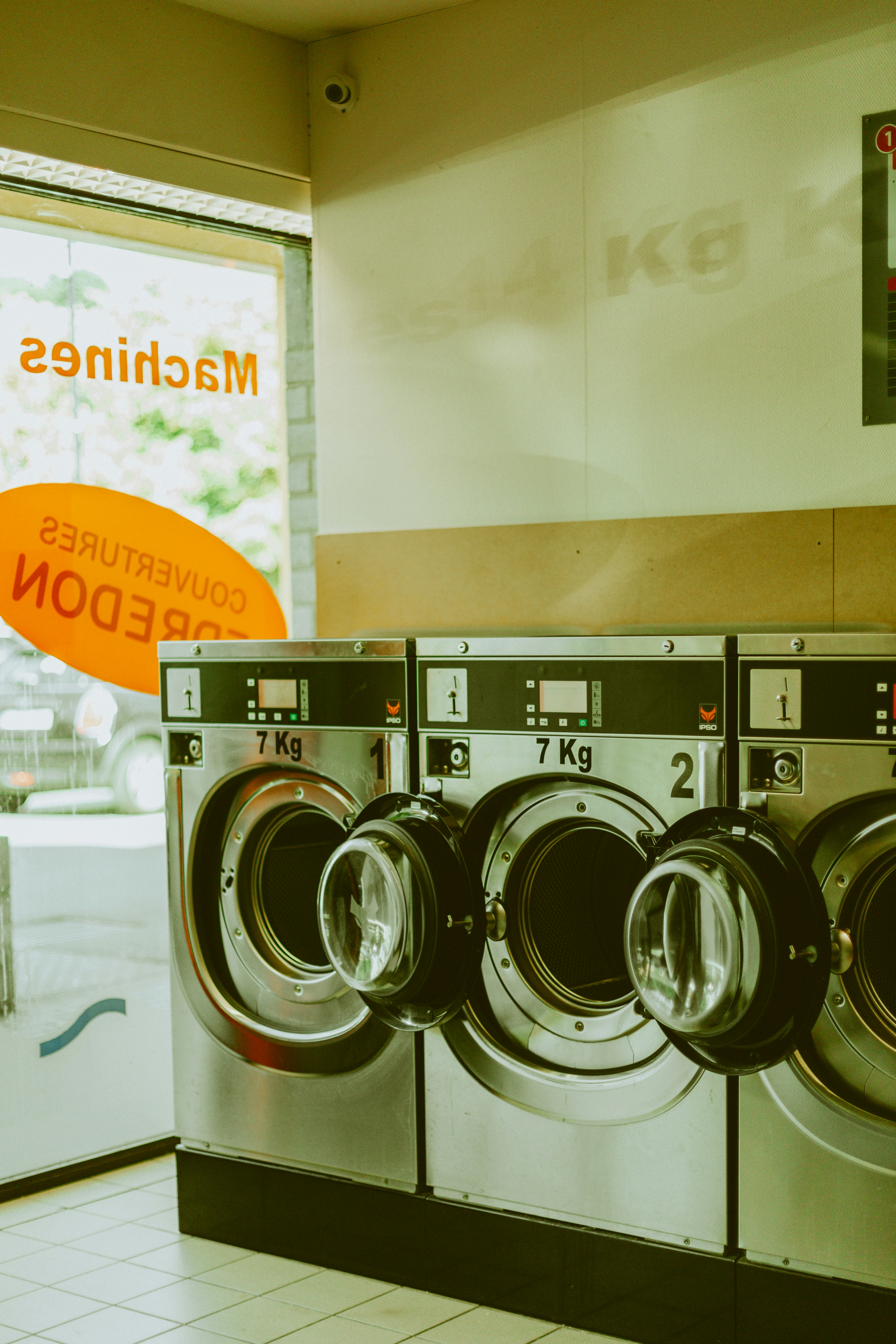
In contrast, front-load washing machines feature a horizontal drum that allows clothes to be loaded from the front. This design facilitates more efficient water and energy use, making front-loaders generally more eco-friendly than top-load models. The washing mechanism involves tumbling clothes through a small amount of water, which leads to a more thorough cleaning action while minimizing fabric wear. While front-load machines generally require bending down, many now feature raised designs for easier accessibility. Despite their higher initial cost, front-load washers tend to offer better long-term savings due to their energy efficiency and lower water consumption.
Advantages and Disadvantages
When comparing both types, several advantages and disadvantages emerge. Top-load washers tend to be less expensive upfront and are user-friendly, especially for those with mobility issues. However, they consume more water and energy, resulting in higher utility bills over time. Front-loaders, on the other hand, are more efficient and gentle on clothes but may require more care in maintenance and are often pricier on purchase. In evaluating which option best suits individual needs, it is essential to consider both the operating costs and user preferences, as each machine type has unique features catering to different lifestyles.
Energy Efficiency and Water Usage: Which Is More Sustainable?
When considering laundry appliances, energy efficiency and water usage play crucial roles in determining their sustainability. In general, front-load washing machines have garnered a reputation for being more environmentally friendly compared to their top-load counterparts. This distinction primarily arises from the innovative technology that front-load models employ, which enables them to consume significantly less water and energy.
Front-load washers utilize a tumbling wash motion, which requires only a minimal amount of water to effectively clean clothes. These machines typically use around 13 to 15 gallons of water per load, while top-load washers often consume more, ranging between 30 to 40 gallons. Consequently, the reduced water consumption in front-load models not only lessens the burden on water resources but also cuts down on utility bills.
In terms of energy usage, front-load washers are designed to spin clothes at higher speeds, extracting more water during the rinse cycle. This reduced moisture content means that clothes require less time in the dryer, further decreasing energy consumption. The energy factor ratings, which gauge the overall efficiency of washing machines, often favor front-load designs, indicating they use less electricity per load compared to traditional top-load machines.
While the initial purchase price of front-load washers may be higher, their long-term cost implications often make them a wise investment. Over the span of several years, the savings accrued from reduced energy and water bills can offset the upfront costs, providing a more sustainable option in the long run. In contrast, top-load washers, while potentially cheaper upfront, may lead to greater environmental impacts and higher utility expenses due to their inefficiency.
Cleaning Performance: A Closer Look at Washing Results
The cleaning performance of washing machines is one of the most critical factors to consider when choosing between top-load and front-load models. Each type has its unique advantages, particularly regarding stain removal effectiveness, fabric care, and wash cycle options.
Top-load washers are often lauded for their ease of use and shorter wash cycles. They typically use an agitating mechanism that can provide vigorous wash action, resulting in a strong performance for heavily soiled garments. However, this action can also be abrasive, potentially causing wear and tear on delicate fabrics. Users frequently report that top-load machines excel in removing common stains like dirt, grass, and food residues, particularly with the right detergent and pre-treatment.
On the other hand, front-load machines focus on a tumbling action that is gentler on clothes, promoting better fabric care. This design allows for a more efficient washing process, as water and detergent penetrate the fabrics more evenly and thoroughly. Many front-load users highlight their machines’ superior ability to remove tough stains, including grease and oils. Moreover, these machines often offer specialized wash cycles designed for specific fabric types, which can enhance cleaning performance while safeguarding delicate items.
Expert opinions corroborate these experiences, indicating that front-load machines tend to utilize less water and energy, making them a more environmentally friendly choice without compromising cleaning results. However, some users have noted that the initial cost of front-load washers is often higher than that of top-load units.
In terms of overall cleaning capabilities, both washing machine types have demonstrated effectiveness; the choice ultimately depends on individual preferences, washing habits, and fabric care needs. Each option offers unique benefits that cater to distinct demands in modern laundry practices, ensuring that users can find a machine that suits their lifestyle.
Cost and Maintenance: What You Need to Know Before You Buy
When considering the purchase of a washing machine, the financial implications are vital to the decision-making process. The cost of a washing machine generally varies between front-load and top-load models, with front-load machines typically coming at a higher initial price point. However, this upfront cost must be weighed against potential savings in energy and water consumption over time. Front-load machines tend to be more efficient, which means lower utility bills and a reduced environmental footprint.
In addition to the initial purchase price, prospective buyers should consider the long-term maintenance costs associated with each type of washing machine. Front-load washing machines often require more specialized maintenance, including regular cleaning of the door seal and drum to prevent mold and mustiness caused by moisture retention. Conversely, top-load washers generally have simpler mechanisms, which may translate to lower repair costs and less frequent replacements over their lifespan.
It is also essential to factor in repair costs when evaluating financial aspects. Electric motors, pumps, and other internal components can necessitate repairs or replacements over time. Front-load machines, while efficient, may encounter higher repair expenses due to the complexity of their design. On the other hand, top-load models may incur fewer repairs, making them an attractive option for budget-conscious consumers.
Furthermore, warranty considerations play a significant role in overall cost assessment. Many manufacturers offer warranties that can cover parts and labor for a specific duration, effectively reducing the financial burden on the buyer. Understanding these factors can provide a clearer picture of total ownership costs for both washing machine types. Thoroughly assessing these financial elements will aid in making an informed decision that aligns with both budgetary constraints and long-term investment objectives.
If you’re interested in purchasing the item you seek, please click the link for additional details: #americanachoice.
https://amzn.to/3SBN3Oy
AFFILIATE DISCLOSURE: I am an affiliate for this company, I am not a paid employee.
I may receive a commission if you click a link on this page and choose to purchase something.
You can rest assured I will only share things I believe in and will be valuable to you.