Overview of Shower Tile and Prefab Shower Surrounds
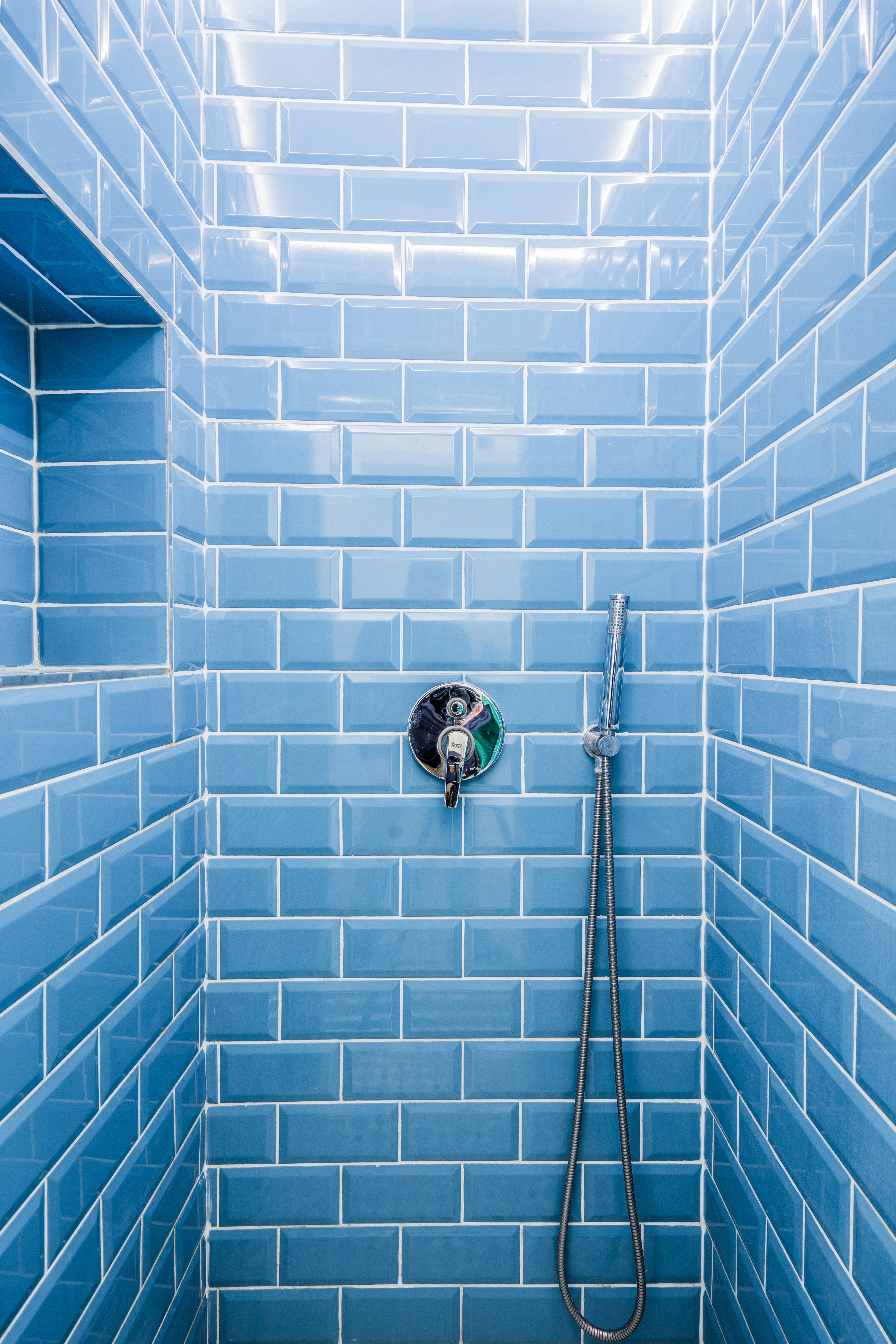
When considering bathroom upgrades, the choice between shower tile and prefab shower surrounds is significant, impacting not only aesthetics but also functionality and maintenance. Shower tiles are typically made from a variety of materials including ceramic, porcelain, glass, and natural stone, allowing homeowners to create highly customized designs. The versatility of tile facilitates a broad range of styles and finishes, contributing to greater creative expression in bathroom decor.
On the other hand, prefab shower surrounds are manufactured as single units from materials such as acrylic, fiberglass, or composite materials, offering a more straightforward installation process. These surrounds usually come in standardized sizes and designs, which can simplify renovation tasks, particularly in smaller or less complex spaces. This can be a crucial factor for homeowners seeking a budget-friendly, less time-consuming option.
In terms of longevity, tiled showers are renowned for their durability when properly maintained. However, they may require periodic grouting and sealing to prevent moisture infiltration and staining. Conversely, prefab surrounds typically boast a low-maintenance appeal since they are seamless and less prone to mold or mildew growth. The smooth surfaces of prefab options often make cleaning quicker and easier.
Aesthetically, shower tiles can cater to every taste—from contemporary to traditional—merely by selecting the right color and texture, enabling homeowners to create unique visual experiences. In contrast, prefab surrounds provide a more uniform look which can be appealing but may lack the personalized touch that tiles offer. Overall, understanding the differences in materials, installation processes, and design possibilities between shower tile and prefab shower surrounds is essential for making an informed decision that aligns with individual preferences and requirements.
2026 Cost Analysis: Tile vs. Prefab Surround
When considering a new shower installation, both tiling and prefab shower surrounds present varied costs and benefits. In 2026, the cost of materials plays a critical role in the decision-making process. Prefab acrylic surrounds typically range between $180 and $400 for the materials alone. Additionally, an installation kit costing approximately $40 is usually required to complete the setup. Therefore, the initial expenditure for a prefab surround can sum up to around $220 to $440 in total.
In contrast, tile showers offer a wider range of costs. The price per square foot for tiles can vary significantly, from $4 to $14. Depending on the size of the shower area, an average installation may require around 40 to 80 square feet of tiles. Consequently, for a shower area requiring 60 square feet, the material cost may range from $240 to $840. Additionally, the installation of shower tiles often necessitates supplementary tools, which can incur an extra cost between $60 to $100.
Although tile installations may reveal a higher initial investment, long-term cost implications should also be weighed against prefab options. Tile typically offers superior durability and longevity, potentially leading to lower maintenance costs in the long run. On the other hand, while prefab surrounds present a more budget-friendly initial outlay, they may require more frequent replacements or repairs due to wear and tear. Overall, the decision between tile and prefab options involves not only upfront costs but also the evaluation of long-term value and upkeep associated with each material choice.
Installation Time and DIY Difficulty
When considering a bathroom renovation, two popular options are shower tiles and prefab shower surrounds. Understanding the installation time and the difficulty level associated with each choice is crucial for homeowners who opt for a DIY approach. Prefab shower surrounds, which are pre-manufactured units, are typically regarded as a straightforward upgrade that can often be completed in a weekend. Installation generally requires only basic tools, making it accessible to individuals who may possess limited DIY skills.
On the other hand, shower tiles demand a significantly greater investment of both time and effort. Depending on the size of the shower area and the complexity of the design, the installation process can take upwards of a week to complete. The application of tiling involves various steps, including measuring and cutting tiles, applying adhesive, positioning, grouting, and sealing. Each of these tasks requires a level of precision and finesse that may be daunting for some, pushing the overall difficulty rating for tile installations to around 4 out of 5.
This stark contrast in difficulty levels stems from the skill requirements for each option. While prefab surrounds rate closer to a 2 out of 5, making them more suitable for novice DIYers, tiles necessitate a certain proficiency and understanding of tiling techniques to achieve a professional-looking finish. Consequently, homeowners must carefully assess their skillset, available tools, and time constraints when deciding between the two. Engaging a professional for tile installation might be advisable for those lacking confidence in their DIY abilities, while prefab surrounds can provide a quicker, less stressful solution for those looking for a rapid bathroom transformation.
Long-Term Value and Final Recommendations
When evaluating the long-term value of shower tiles versus prefab shower surrounds, several factors come into play, including durability, maintenance, and personal homeowner preferences. Shower tiles are renowned for their versatility and resilience. When installed correctly, they can endure daily use for decades, often outlasting prefab options. Additionally, tiles offer vast customization opportunities, enabling homeowners to achieve a unique aesthetic that can elevate a bathroom’s overall appearance.
However, the installation process for tiles can be labor-intensive and time-consuming. Homeowners must consider whether they are prepared for a DIY project or are willing to hire professionals, which can significantly affect their budget. On the other hand, prefab shower surrounds present a more straightforward installation process, allowing homeowners to complete the project more quickly. These units are typically made from durable materials that can resist water damage and mold, leading to lower maintenance needs over time.
Nevertheless, the limited design options can be a drawback for those looking for a personalized touch. Homeowners must weigh these factors carefully—if budget and ease of installation are primary concerns, a prefab option might be the way to go. Conversely, those prioritizing durability and design flexibility may find shower tiles a better investment.
For homeowners seeking reliable tools and materials to facilitate their renovation projects, Americana Choice offers various resources that cater to both types of shower installations. Their products can help ensure that whichever option is chosen, the project is completed efficiently and effectively.
Ultimately, the decision between shower tile and prefab surround depends on individual needs, preferences, and long-term considerations. Each option has its merits, thereby allowing homeowners to select a solution that aligns with their vision and lifestyle.
If you’re interested in purchasing the item you seek, please click the link for additional details: #americanachoice.
https://amzn.to/3SBN3Oy
AFFILIATE DISCLOSURE: I am an affiliate for this company, I am not a paid employee.
I may receive a commission if you click a link on this page and choose to purchase something.
You can rest assured I will only share things I believe in and will be valuable to you.