Introduction: Decoding the Hardware Store
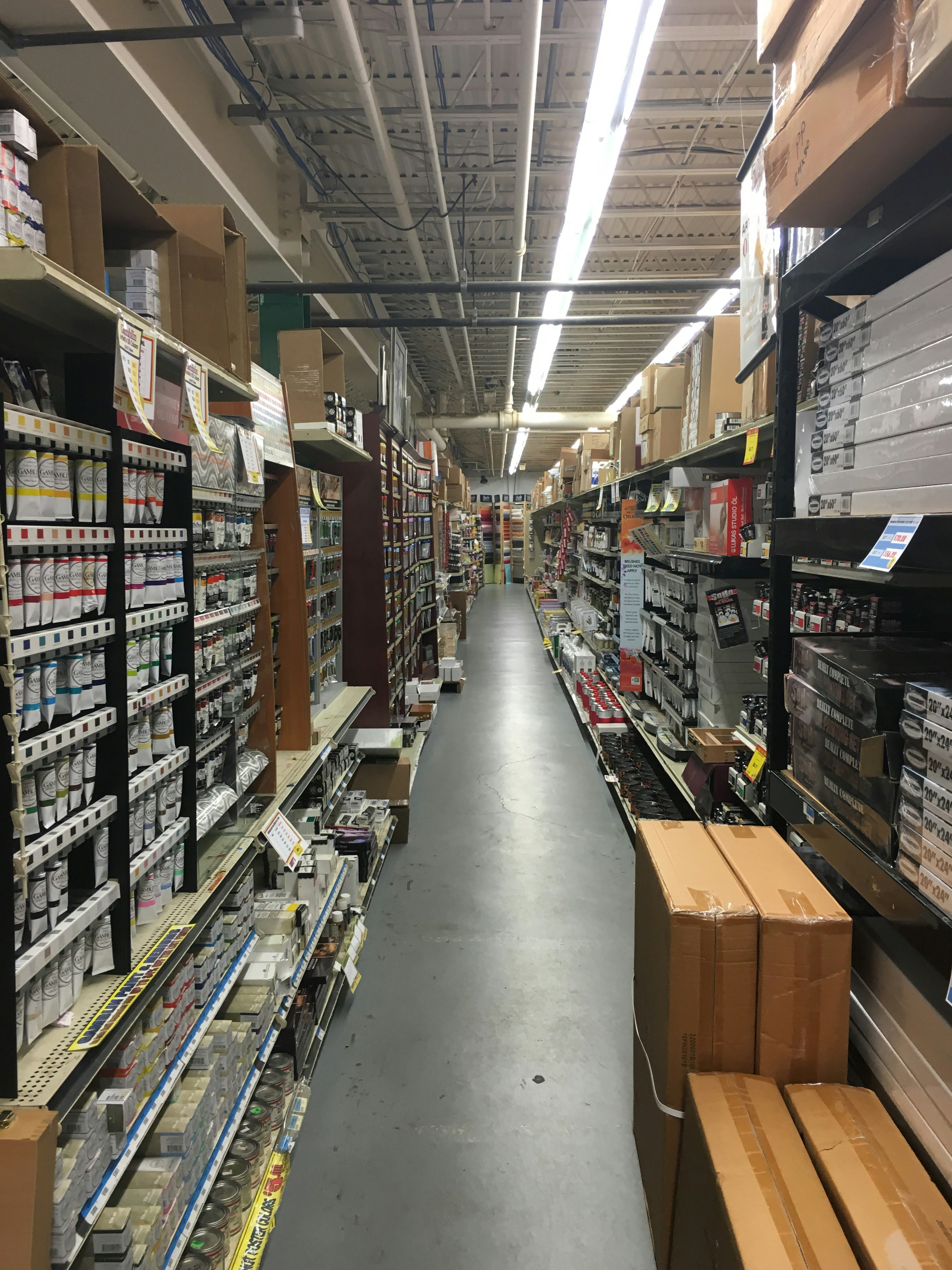
Venturing into a hardware store can often feel overwhelming, particularly for those who may not be well-versed in DIY terminology or home improvement projects. Large retail spaces, brimming with countless aisles and numerous products, can trigger a sense of anxiety for first-time visitors or even seasoned professionals. This blog post aims to demystify the hardware store experience for the average consumer while providing a friendly, humorous take on the various terms and product categories encountered along the way.
The terminology used by hardware stores can sometimes resemble a foreign language, filled with industry jargon that can baffle even the most determined shoppers. Words like “grommet,” “toggle bolt,” or “screws” carry specific meanings that might not make sense to someone unfamiliar with the hardware world. This guide intends to translate these often-confusing terms into clear, relatable language, making your shopping experience more approachable.
At Americana Choice, we understand the challenges that arise when navigating these expansive stores. Our goal is not just to supply tools and materials but to provide real understanding, guiding customers through the sometimes hidden nuances of product categories. By breaking down these terms into simpler explanations and providing practical examples, we hope to empower readers to make more informed decisions, whether they are tackling a weekend project or planning a major renovation.
Through this blog, we aim to ensure that every visitor to a hardware store feels equipped to take on any project with confidence, armed with the knowledge that less experienced shoppers often lack. From the novice DIYer to the experienced handyman, everyone deserves to understand the products they are purchasing, enhancing both their shopping experience and project outcomes.
Aisle 1-5: Electrical Essentials Explained
When you stroll down the electrical aisle of a hardware store, you may feel a tinge of anxiety. Fear not, as this guide will demystify some common electrical supplies you might encounter. Let’s shine a light on wires, circuits, and outlets to help you understand their roles in the grand scheme of your home environment.
First up, the humble wire. These thin metal conductors carry electricity from one point to another, allowing you to power your lightbulbs, appliances, and various devices. There are various types of wires, distinguished by their gauge and insulation type. For safety, it is important to choose the right wire for your project—using a thicker gauge for heavy-duty applications and a thinner wire for lighter uses is generally advisable. Always remember: choosing the right wire significantly reduces risks of overheating and electrical hazards.
Next, you may encounter circuits. In essence, a circuit is a closed loop through which electricity flows. Understanding circuits can lead to better troubleshooting of electrical issues in your home. If your lights flicker or a device isn’t functioning, chances are you’ll need to investigate the circuit connected to that power source. Simple tools such as a multimeter can help in this process, giving you readings that explain whether your circuit is operating optimally.
Lastly, we must address outlets. These handy infrastructure components allow devices to plug into your home’s electrical system. Different outlet types exist for various purposes, from standard wall sockets to GFCI outlets, which are designed to prevent electrical shocks in wet areas. Knowing where these outlets are and their appropriate usage is crucial—especially for plugging in outdoor lights or renovating spaces like kitchens and bathrooms, where safety is paramount.
As you navigate the electrical aisle, keep in mind that each component plays a vital role in the functionality of your home’s electrical system. The keys to mastering these essentials are understanding them and utilizing them safely. Happy shopping!
Aisle 6-10: Plumbing Paradise and Pitfalls
When navigating the plumbing aisle of a hardware store, it is common to encounter an overwhelming array of pipes, fittings, and other plumbing supplies. This section will provide clarity on the essential items found within this aisle and some advice on tackling everyday plumbing projects.
The plumbing aisle typically contains various types of pipes made from materials such as PVC, copper, and PEX. PVC pipes are often used for drainage and venting applications, thanks to their affordability and ease of installation. Copper pipes, on the other hand, are ideal for water supply lines due to their durability and resistance to corrosion. Finally, PEX tubing has gained popularity in recent years, offering flexibility and a relatively simple installation process.
In addition to pipes, you will find several types of fittings such as elbows, tees, and couplings. Properly connecting pipes often requires these fittings, which help navigate corners and junctions in your plumbing system. When purchasing fittings, ensure to check the corresponding pipe size and type to ensure compatibility.
For those venturing into DIY plumbing projects, common tasks might include fixing a leaky faucet, unclogging a drain, or replacing worn-out fixtures. To tackle a leaky faucet, you may require a new washer or O-ring, typically available in kits that specify which types suit different faucet models. For unclogged drains, a simple plunger can offer an immediate solution, while more stubborn clogs may necessitate the use of a plumbing snake.
By familiarizing yourself with the terminology and tools available in the plumbing aisle, homeowners can approach these tasks with greater confidence. Whether you are conducting minor repairs or embarking on larger projects, understanding the plumbing supplies can greatly improve your experience in the hardware store.
Aisle 11-15: Fasteners, Adhesives, and Finishing Touches
In any hardware store, aisles dedicated to fasteners, adhesives, and finishing products play a crucial role in DIY and home improvement projects. Fasteners are essential components used to join two or more materials together. They come in various forms, including screws, nails, bolts, and anchors. Each type of fastener is designed for specific applications, making it important to choose the right one depending on the materials involved and the project requirements.
The options for fasteners can seem overwhelming at first, yet understanding their basic functions can simplify selection. For instance, screws are ideal for securing wood pieces together, while nails are often used for quick fixes in framing and light carpentry. Bolts are used where greater strength is needed and are typically applied in heavier-duty scenarios. Anchors, on the other hand, are essential for attaching items to walls, particularly in drywall, where a standard nail or screw would not provide sufficient support.
Adhesives are another important category found in this aisle, offering a different method for joining materials. From glue to epoxy, adhesives serve a range of purposes. For lighter tasks, wood glue or craft glue may suffice, while projects that require a strong bond between different materials may necessitate the use of epoxy or construction adhesives. Understanding the bonding capabilities of each type can lead to more effective results, ensuring durability in repairs or crafting.
Finally, finishing products such as sealants and paints are the icing on the cake, providing that final touch to any project. Sealants protect surfaces from moisture and other elements, while paints add aesthetic appeal. Selecting the right finishing product not only enhances the visual aspect of a project but also contributes to its longevity. In conclusion, investing time in understanding the roles of fasteners, adhesives, and finishing products can significantly elevate the quality of home improvement endeavors.
If you’re interested in purchasing the item you seek, please click the link for additional details: #americanachoice.
https://amzn.to/3SBN3Oy
AFFILIATE DISCLOSURE: I am an affiliate for this company, I am not a paid employee.
I may receive a commission if you click a link on this page and choose to purchase something.
You can rest assured I will only share things I believe in and will be valuable to you.