Introduction to Luxury Vinyl Plank Flooring
Luxury vinyl plank (LVP) flooring has gained immense popularity among homeowners, particularly in the DIY community, due to its standout combination of aesthetic versatility, durability, and ease of installation. As a synthetic product, LVP mimics the appearance of natural materials such as hardwood, stone, or tile while offering unique advantages that appeal to a wide range of tastes and needs.
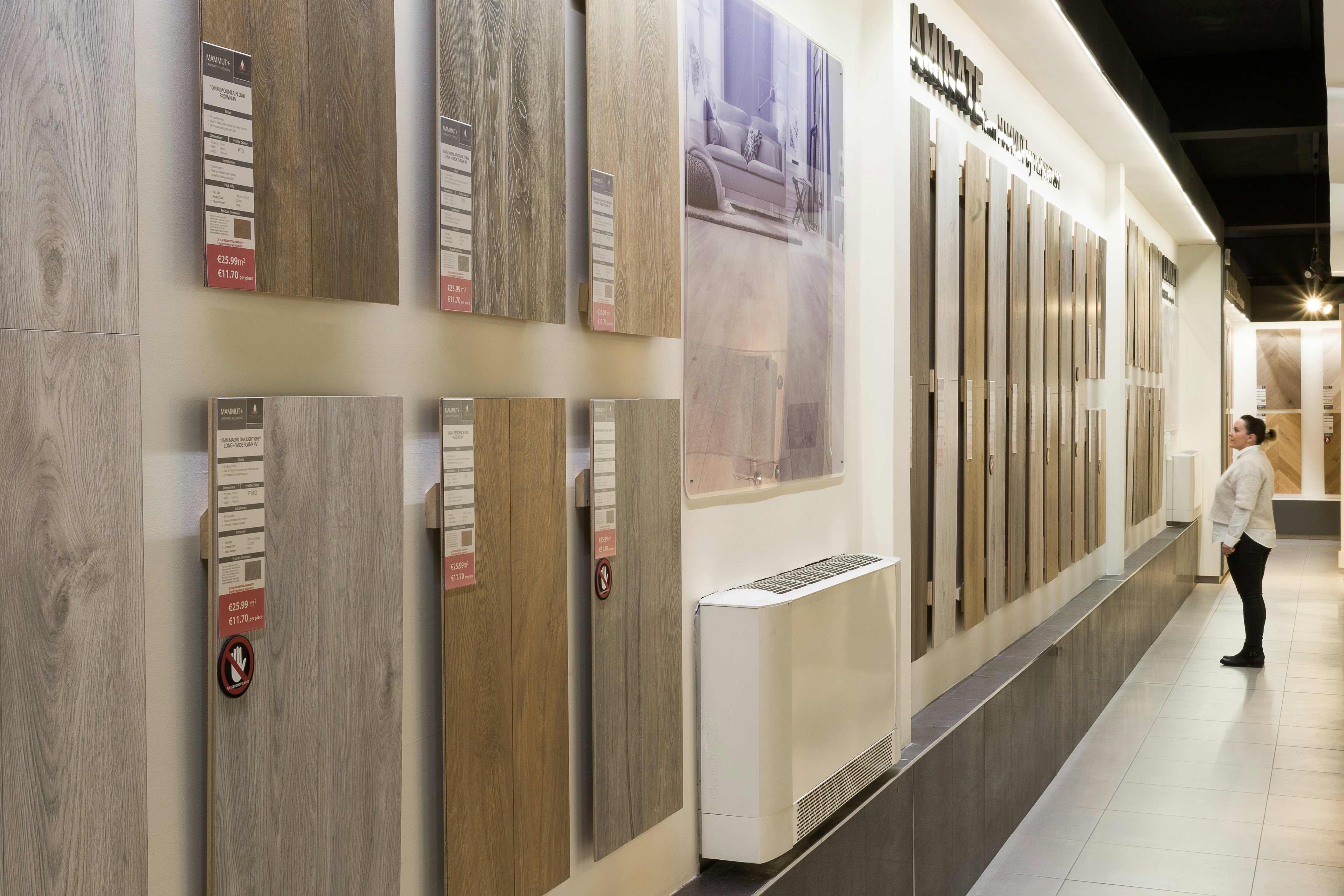
One of the key features of LVP flooring is its remarkable versatility. Available in a multitude of styles, colors, and textures, luxury vinyl planks can complement various interior design elements. Whether reproducing the look of reclaimed wood or presenting a contemporary stone finish, homeowners have ample options to enhance their living spaces. This adaptability makes LVP suitable for virtually any room, including kitchens, bathrooms, and basements, where moisture can be a concern.
In terms of durability, LVP stands out as an exceptional flooring choice. It is engineered to resist scratches, dents, and stains, making it an ideal option for households with children and pets. Additionally, many luxury vinyl products come with a protective wear layer, further extending their lifespan and maintaining their visual appeal over time. This factor alone contributes significantly to the value of LVP as a long-term flooring solution.
Moreover, the installation process for luxury vinyl plank is user-friendly, often allowing for a straightforward DIY project. With options such as click-lock installation, even those without professional experience can achieve a polished finish with relative ease. This convenience, combined with the attractive price point of LVP, has solidified its status as a favored flooring option among homeowners looking to make impactful upgrades without incurring excessive costs.
Material Costs of LVP Flooring in 2026
As the flooring industry continues to evolve, understanding the material costs associated with Luxury Vinyl Plank (LVP) flooring is vital for homeowners and contractors alike. For 2026, the costs per square foot for LVP flooring exhibit a range driven by factors such as quality, design, and installation nuances.
Starting with budget LVP options, typically priced between $2 to $4 per square foot, these products cater to cost-conscious consumers seeking a functional flooring solution. While they often feature basic designs and textures, budget LVP can still offer decent durability and moisture resistance, making it suitable for lower-traffic areas.
Moving to mid-grade LVP, which generally ranges from $4 to $6 per square foot, one can expect improvements in both aesthetic qualities and performance. Mid-grade options often include enhanced designs, thicker wear layers, and better warranty specifications. They strike a balance between cost and features, making them a popular choice for most residential spaces.
Premium LVP flooring, costing between $6 and $10 per square foot on average, represents the top tier in the market. These products tend to offer superior aesthetics, including realistic wood or stone looks, and high durability designed to withstand heavy foot traffic. Premium LVP often comes equipped with advanced locking systems for easier installation and a warranty that emphasizes longevity.
When considering the overall budget for a flooring project, it’s crucial to weigh the benefits and drawbacks of each grade. Budget options may save upfront costs, but could lead to higher replacement expenses over time. Conversely, investing in premium options can enhance property value and aesthetic appeal but requires a larger initial investment. Each choice reflects a different balance of cost, quality, and endurance suited to varying flooring needs.
Additional Costs: Underlayment and Tools Needed
When undertaking a DIY project to install Luxury Vinyl Plank (LVP) flooring, it is essential to consider additional costs beyond the planks themselves. Proper underlayment is a critical component for ensuring a successful installation, as it provides cushioning, moisture barrier, and sound insulation. The price of underlayment can vary significantly based on the type and quality chosen, typically ranging from $0.30 to $0.75 per square foot. Budgeting for underlayment is crucial and usually constitutes about $100 to $250 for an average-sized room, depending on the square footage.
In addition to underlayment, several tools are required to facilitate a smooth and efficient installation process. Essential tools include tapping blocks, pull bars, utility knives, and spacers. Tapping blocks, which help in connecting planks seamlessly without damaging the edges, can typically be purchased for approximately $10 to $20. A pull bar, which is used to pull the last planks into place, can cost around $15 to $25. Utility knives are essential for cutting the planks to size and usually range from $5 to $15. The total expenditure for these tools can vary but generally falls within a range of $50 to $100 for a complete tool set.
As you compile your project budget, these additional costs for underlayment and necessary tools must be factored in alongside the price of LVP flooring material. Understanding these expenses will not only prepare you financially but also ensure that you are equipped with the necessary resources for a successful installation. Preparing thoroughly prior to commencing the project will contribute significantly to achieving optimal results in your flooring endeavors.
Overall Cost Estimate for a 300 sq ft Room
When considering the installation of Luxury Vinyl Plank (LVP) flooring for a 300 square foot room, it is crucial to understand the overall cost estimates that can vary based on the choice of materials and installation preferences. This analysis will cover the financial aspects associated with three categories of LVP flooring: budget, mid-grade, and premium options.
For budget LVP, the material costs typically range from $1.50 to $3.00 per square foot. Therefore, for a 300 sq ft room, the total cost for the flooring material alone would approximate $450 to $900. When factoring in additional expenses for adhesives and underlayment, the total projected cost may rise to between $600 and $1,200.
Moving to mid-grade options, the price per square foot generally falls between $3.00 and $5.00. Hence, for the same 300 sq ft space, the material costs would total around $900 to $1,500. When supplemental expenses are included, such as potential underlayment and tools, the estimated total investment might escalate to between $1,200 and $2,000.
When choosing premium LVP flooring, the material costs can be significantly higher, ranging from $5.00 to $7.00 per square foot. For a room of 300 sq ft, one can expect to spend $1,500 to $2,100 on the flooring itself. After including installation costs and any additional materials required, the overall investment could reach between $2,000 and $3,000.
In case readers consider professional installation services, these can typically add an extra $1.00 to $3.00 per square foot. Thus, if professional installation were factored in, the costs would further vary depending on the quality of LVP selected. Ultimately, prospective buyers should assess their budgets and expectations carefully, as LVP flooring expenditures can be tailored to their preferences and need for durability.
If you’re interested in purchasing the item you seek, please click the link for additional details: #americanachoice.
https://amzn.to/3SBN3Oy
AFFILIATE DISCLOSURE: I am an affiliate for this company, I am not a paid employee.
I may receive a commission if you click a link on this page and choose to purchase something.
You can rest assured I will only share things I believe in and will be valuable to you.