Understanding the Purpose of a Mud Room
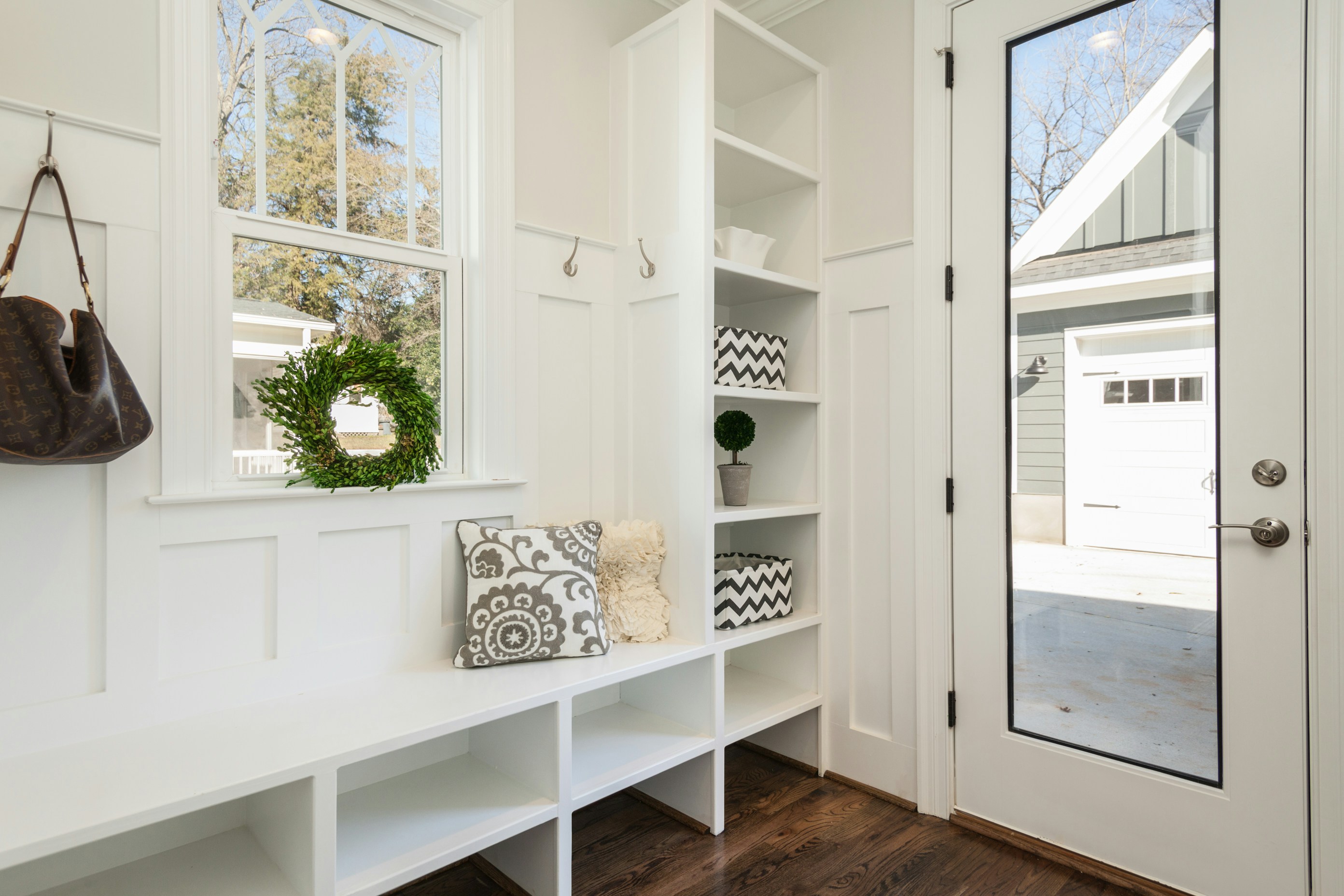
A mud room is a practical space typically located near an entrance of a home that serves a dual purpose: it acts as a transitional area that connects the outdoors with the indoors. This functional space is designed to help maintain the organization and cleanliness of your home by providing designated areas for coats, shoes, and outdoor gear. By understanding the essential functions of a mud room, homeowners can better appreciate how it enhances their living environment.
One of the primary purposes of a mud room is to minimize clutter within the main living areas by acting as a buffer zone. This dedicated space allows family members and guests to remove shoes and outerwear before entering the rest of the house. By storing these items in the mud room, the amount of dirt and debris tracked into living spaces is significantly reduced, promoting better indoor air quality and easier maintenance.
In addition to its organizational benefits, a mud room can also improve overall home efficiency. By placing frequently used items, such as hats, gloves, and bags, in this area, residents can save time when preparing to go outside. Furthermore, with the right storage solutions, a mud room can accommodate a variety of items, including sports equipment, pet supplies, and cleaning tools, making it a versatile space that caters to the specific needs of the household.
Additionally, the mud room can serve as a hub for family activities, providing a convenient space for sorting mail or preparing for grocery shopping. By centralizing these activities, families can streamline their daily routines, ultimately enhancing the overall productivity of their home. In summary, the mud room is more than just a practical entryway; it is a key element in fostering a well-organized and efficient living space that contributes to a serene home environment.
Material Cost Breakdown for Your Mud Room
When embarking on the journey of constructing a mud room, it is crucial to comprehend the costs associated with the materials needed to create a functional and aesthetically pleasing space. Below is a detailed analysis of the essential materials commonly used in mud room construction, along with their estimated costs.
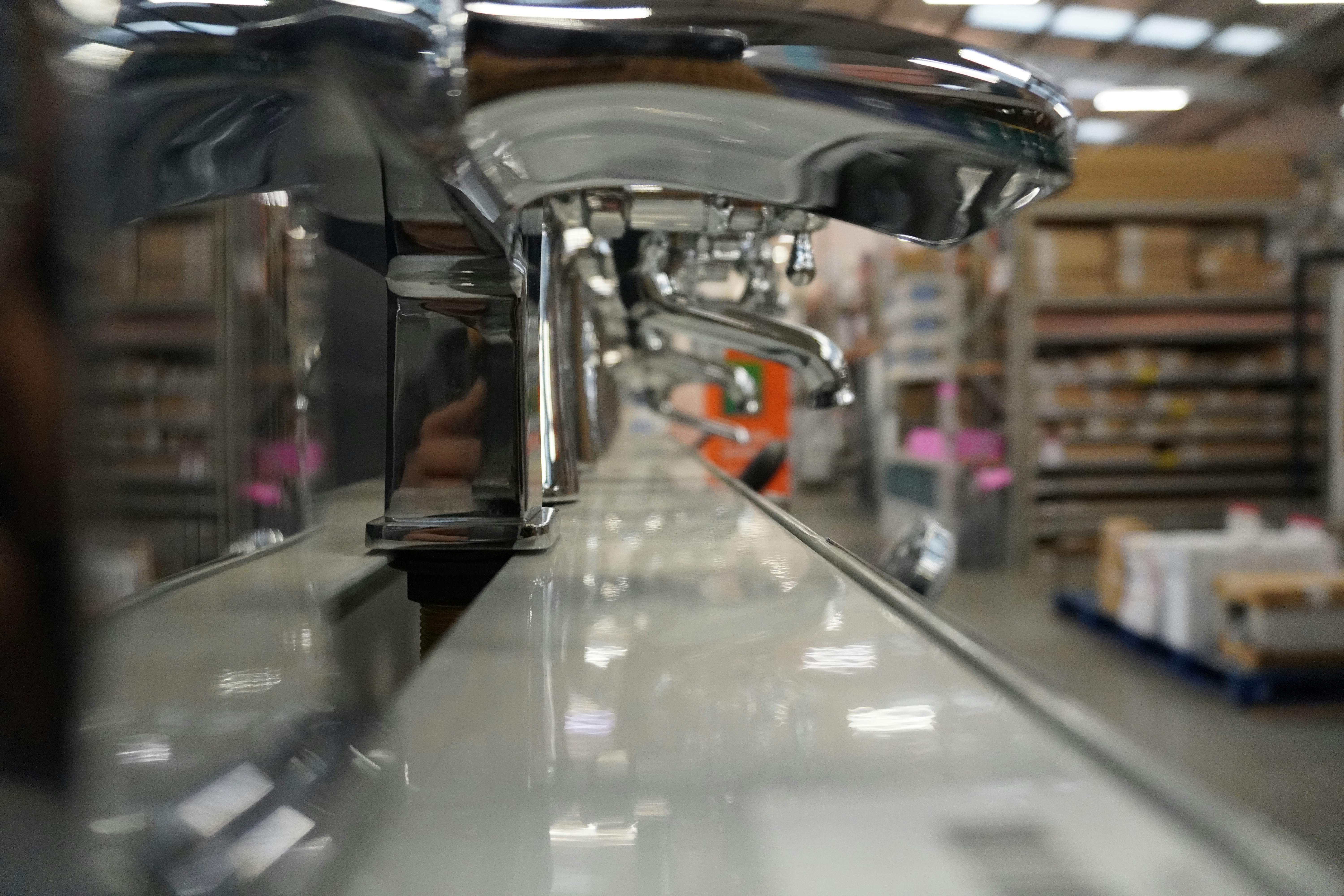
First and foremost, wall-mount coat hooks are a vital component of any mud room, enabling efficient organization of outerwear. The cost for a set of durable coat hooks can range from $10 to $50, depending on design and material quality.
Floating benches serve both a practical and decorative role in mud rooms, providing a comfortable seating area for removing shoes and storing items below. The price for floating benches varies greatly, typically ranging from $100 to $400, depending on size and the materials used in their construction.
Cubby units are another important feature, allowing for simplified storage of hats, gloves, and other small items. The costs for cubby storage systems can range from $150 to $600, influenced by factors such as dimensions, number of compartments, and materials used.
Shoe racks are essential in keeping the mud room organized and can be customized to fit specific needs. Basic shoe racks start around $30, with more elaborate designs or custom-built options costing upwards of $200.
Finally, to enhance the visual appeal of your mud room, accent walls can be created using materials like shiplap or beadboard. The cost for these materials generally falls within the range of $1 to $3 per linear foot. For a typical mud room accent wall, expect to spend between $200 and $600, based on the total length and the finish chosen.
Adding these elements together, the estimated budget for materials required for your mud room can vary significantly based on your design choices. By properly preparing for these costs and selecting high-quality materials, you can ensure that your mud room is both functional and inviting.
Essential Tools for a Successful Mud Room Build
When embarking on the project of constructing a mud room, having the right tools is imperative to ensure a smooth and efficient building process. Below is a curated list of essential tools along with their functions and estimated costs, which will aid in creating a functional and aesthetically pleasing mud room.
1. Drill: A power drill is essential for driving screws and drilling holes into various materials. For a reliable cordless model, expect to invest around $100 to $200. Renting a drill can be an option, costing approximately $30 per day.
2. Stud Finder: This tool helps locate wooden or metal studs behind walls. It is crucial for securely mounting shelves and hooks. Prices for stud finders range from $15 to $50, with rental options generally unavailable due to their low cost.
3. Level A spirit level is fundamental for ensuring that your shelves and other fixtures are perfectly straight. Levels can be purchased for about $10 to $30. They are generally inexpensive enough to justify purchasing rather than renting.
4. Miter Saw: For precise cuts on wooden components, a miter saw is highly beneficial. It allows for accurate angled cuts, especially for trim and casing. A new miter saw will cost between $150 and $400. Rental can be a cost-effective solution, averaging $30 to $50 per day.
5. Tape Measure: Accuracy in measurements is foundational to any construction project. A good quality tape measure typically costs between $10 and $25, making it a wise purchase rather than a rental.
6. Chisels: For fine detailing and adjustments, chisels are invaluable in a mud room build. A basic set can be acquired for around $20 to $50. Renting chisels is uncommon due to their affordability.
Overall, investing in these tools not only aids in achieving a polished finish in your mud room but also enhances the building experience. Always consider rental options for pricier or less frequently used tools, which can help significantly reduce costs.
Realistic Build Time for Your Mud Room Project
When embarking on a mud room project, understanding the estimated time required for completion is crucial. This guide will provide readers with a comprehensive breakdown of the time needed for each phase, offering a clearer expectation of the overall timeline involved in the construction process.
The initial phase is planning, which can vary significantly depending on the complexity of the project. For simple designs, the planning stage may take approximately one week, while more detailed or customized mud room layouts could extend this phase to two weeks or longer. This time involves drafting designs, selecting materials, and ensuring compliance with local building regulations.
After establishing a plan, the next step is gathering materials. Depending on the availability of resources and the specific materials chosen for your mud room, this phase can take an additional one to two weeks. Local hardware stores or suppliers may have some items readily available, but custom finishes or specialty materials may require longer lead times, potentially impacting the overall schedule.
The actual construction process is where the bulk of time is consumed. For a standard mud room installation, expect to allocate anywhere from two to four weeks. This timeframe encompasses demolition of any existing structures, framing, electrical work, plumbing adjustments if needed, insulation, and installation of flooring and cabinetry. Additionally, any custom features, like built-in benches or storage solutions, will require extra time to construct and install.
Ultimately, while the entire process could range from four to eight weeks—depending on specific project variables and unforeseen challenges—setting a realistic timeframe is essential for managing expectations. Factors such as weather conditions, workforce availability, and project scope can significantly influence duration, making effective project management a key component of success.
If you’re interested in purchasing the item you seek, please click the link for additional details: #americanachoice.
https://amzn.to/3SBN3Oy
AFFILIATE DISCLOSURE: I am an affiliate for this company, I am not a paid employee.
I may receive a commission if you click a link on this page and choose to purchase something.
You can rest assured I will only share things I believe in and will be valuable to you.