Introduction to Floating Shelves
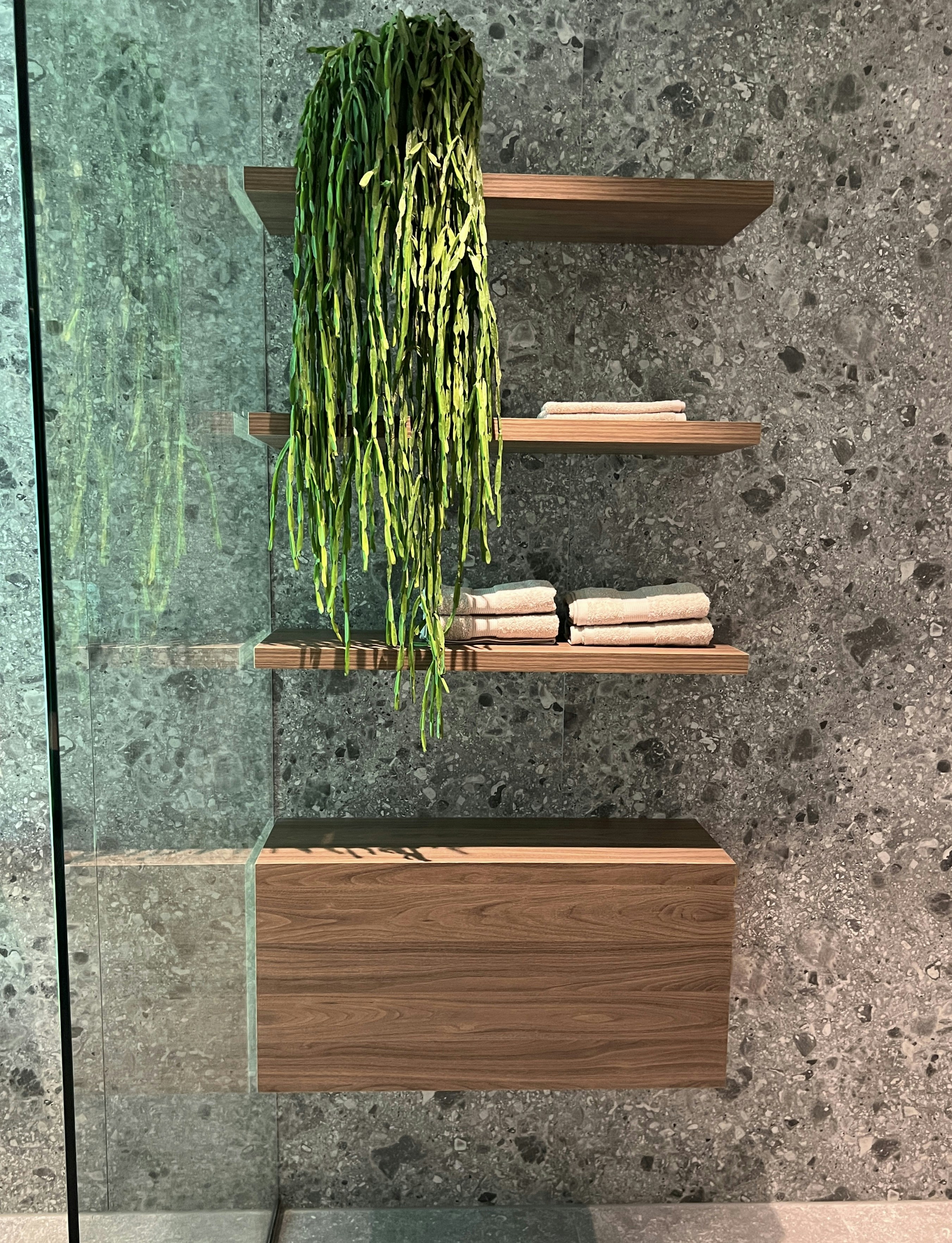
Floating shelves are innovative shelving solutions that create the illusion of storage without visible support brackets. These sleek designs have become increasingly popular in contemporary home decor, as they serve both functional and aesthetic purposes. By allowing items to seemingly hover against the wall, floating shelves contribute to a clean, uncluttered look in living spaces while maximizing available square footage.
The growing trend of minimalism and open-concept living has further fueled the demand for floating shelves, as they offer a stylish way to display books, photographs, plants, and decorative items without overwhelming a room. Homeowners appreciate that floating shelves can be tailored to fit various styles, from rustic wood designs to modern glass concepts, making them versatile additions to any room.
Beyond their visual appeal, floating shelves come with several advantages. They can be customized according to a homeowner’s specific space requirements, and their installation can often be straightforward, requiring only basic tools. Floating shelves also encourage creativity, as the absence of brackets allows for unique arrangements and placements on walls. Furthermore, they can declutter surfaces by providing an organized way to store or display items, enhancing both functionality and design.
This guide seeks to delve into the costs associated with floating shelves, examining the differences between store-bought, DIY, and custom-built options. Understanding the benefits of each choice can assist homeowners in making informed decisions about fitting their space with these elegant storage solutions. Throughout this discussion, cost-effectiveness and intended design will be key factors in determining the most suitable option for individual needs.
Cost Analysis of Store-Bought Floating Shelves
When considering the purchase of floating shelves, it is essential to understand the cost implications associated with different options available in the market. The price of store-bought floating shelves can vary significantly based on several factors, including the retailer, material, and design. Notable retailers such as IKEA and Target offer a variety of floating shelf solutions, typically priced between $22 and $65 each.
The lower end of this price range generally consists of basic models crafted from lightweight materials, such as MDF (Medium Density Fiberboard) or particleboard. These materials, while cost-effective, may not provide the same durability or aesthetic appeal as more premium options. In contrast, the higher end features shelves made from solid wood, metal, or glass, which tend to provide a more sophisticated appearance and increased strength.
In addition to material choice, design elements also heavily influence the pricing of floating shelves. Customization options, like unique shapes or finishes, can elevate the cost significantly. For instance, a minimalist shelf may be less expensive than one featuring intricate carvings or unique mounting brackets. Furthermore, certain finishes, such as high-gloss or distressed wood, can also contribute to the overall expense.
Additionally, brand reputation plays a crucial role in pricing. Established brands often charge a premium due to their perceived quality and design innovation. This price can reflect not only the materials used but also the level of customer service and warranty options they provide.
Ultimately, when selecting store-bought floating shelves, consumers should assess their needs and budget. By understanding the factors that influence pricing, such as material and design, shoppers can make informed choices that align with both their functional requirements and aesthetic preferences.
Building Your Own Floating Shelves: DIY Breakdown
Creating your own floating shelves is a fulfilling project that not only enhances your home decor but also allows for significant cost savings compared to store-bought options. The DIY approach to floating shelves typically involves using materials such as plywood and iron pipes, which can be purchased affordably from most hardware stores.
The material costs for building floating shelves generally range from $18 to $35 per shelf, depending on the type of wood and additional hardware selected. Plywood is a common choice due to its strength and availability. Iron pipes can be used for the shelf supports, adding both durability and an industrial aesthetic to the finished product. When selecting materials, consider the overall theme of your space to ensure cohesion.
In addition to materials, you will need specific tools to complete your floating shelves effectively. Basic tools required include a power drill, a saw, a level, and a measuring tape. Having these tools on hand will enable you to cut and mount the shelves accurately, ensuring they are level and securely fastened to the wall.
Estimating the time required for this DIY project is also essential. Most individuals can expect to spend approximately 45 to 90 minutes constructing and installing the shelves. This time frame can vary based on skill level and familiarity with the tools. Beginners may take longer to complete the project but will benefit from the hands-on experience.
Choosing to build your own floating shelves offers several advantages, including customization options that allow you to tailor the size and finish to your preferences. This personalized approach ensures that the shelves not only meet functional requirements but also enhance your home’s aesthetic appeal. Moreover, creating custom floating shelves often results in lower costs compared to purchasing similar store-bought products, making it a budget-friendly solution for homeowners.”
Custom Floating Shelves: The Pros and Cons
Custom-built floating shelves offer a unique solution for homeowners seeking aesthetically pleasing storage options tailored to their specific needs. Understanding the costs associated with custom floating shelves, primarily ranging from $12 to $22 in materials per shelf, is crucial for budgeting. This price range typically includes the necessary wood, hardware, and finishing materials required for a professional appearance.
One significant advantage of custom floating shelves is their ability to maximize space usage. Homeowners can design shelves that fit perfectly into awkward wall spaces, ensuring that every inch of available area is utilized effectively. Additionally, these shelves can be personalized based on preferred styles and materials, allowing for a perfect match with existing décor.
However, the installation of custom floating shelves may require professional assistance, especially for those unfamiliar with carpentry. Hiring a contractor may increase overall project costs, so carefully considering installation options is essential. DIY installation can save money, but it carries the risk of complications if not done correctly. Moreover, the installation time varies, depending on the complexity of the design and the homeowner’s experience level.
Weight capacity is another crucial factor when selecting mounting methods for custom shelves. Different installation techniques yield varying weight limits; for instance, brackets designed for heavier loads can accommodate more items than standard mounting systems. Homeowners should consider the intended use of the shelves and choose an installation option that ensures safety and stability.
In conclusion, while custom-built floating shelves can be a stylish and functional choice, potential buyers must weigh the costs, installation complexities, and capacity requirements carefully. By doing so, they can achieve a professional finish to enhance their home’s storage capabilities effectively.
If you’re interested in purchasing the item you seek, please click the link for additional details: #americanachoice.
https://amzn.to/3SBN3Oy
AFFILIATE DISCLOSURE: I am an affiliate for this company, I am not a paid employee.
I may receive a commission if you click a link on this page and choose to purchase something.
You can rest assured I will only share things I believe in and will be valuable to you.