Introduction to Power Tool Kits for Beginners
Power tool kits are essential collections of equipment that facilitate various do-it-yourself (DIY) projects. For beginners, having the right power tools can significantly influence the quality and ease of the work undertaken. As individuals embark on their DIY journey, the selection of tools becomes a vital consideration that impacts not only the workflow but also the outcome of their projects.
An appropriate power tool kit typically includes a variety of tools designed for different tasks. This assortment can range from drills to saws, and screwdrivers to sanders, meeting a myriad of needs from home repairs to crafting endeavors. Having these tools at hand enables beginners to execute tasks with precision and efficiency, which can be particularly encouraging during the initial stages of learning.
Moreover, starting with the correct power tools not only simplifies the execution of projects but also enhances the overall DIY experience. When users have access to suitable equipment, they can tackle more complex tasks that might have otherwise seemed daunting. This accessibility fosters a sense of achievement, motivating new DIY enthusiasts to explore their creativity further.
Choosing the right tools might seem overwhelming given the vast array of options, particularly for those not familiar with the distinctions between various power tools. Consequently, it is crucial to streamline the choices. A beginner-friendly power tool kit should incorporate versatile and user-friendly equipment to instill confidence in users and encourage them to take on new challenges. By focusing on essential items, newcomers can efficiently enhance their skills and projects without feeling overwhelmed.
In summary, the introduction of power tool kits for beginners serves as a foundation upon which individuals can build their DIY skills. Armed with the appropriate tools, they are better prepared to navigate the DIY landscape, making their projects manageable and enjoyable.
Must-Have Tools for Your First Kit
As you embark on your journey into the world of DIY projects and home improvement, assembling a power tool kit is a crucial first step. This kit should contain versatile and user-friendly tools that cater to a variety of tasks. Below are four essential tools that every beginner should consider including in their first power tool kit.
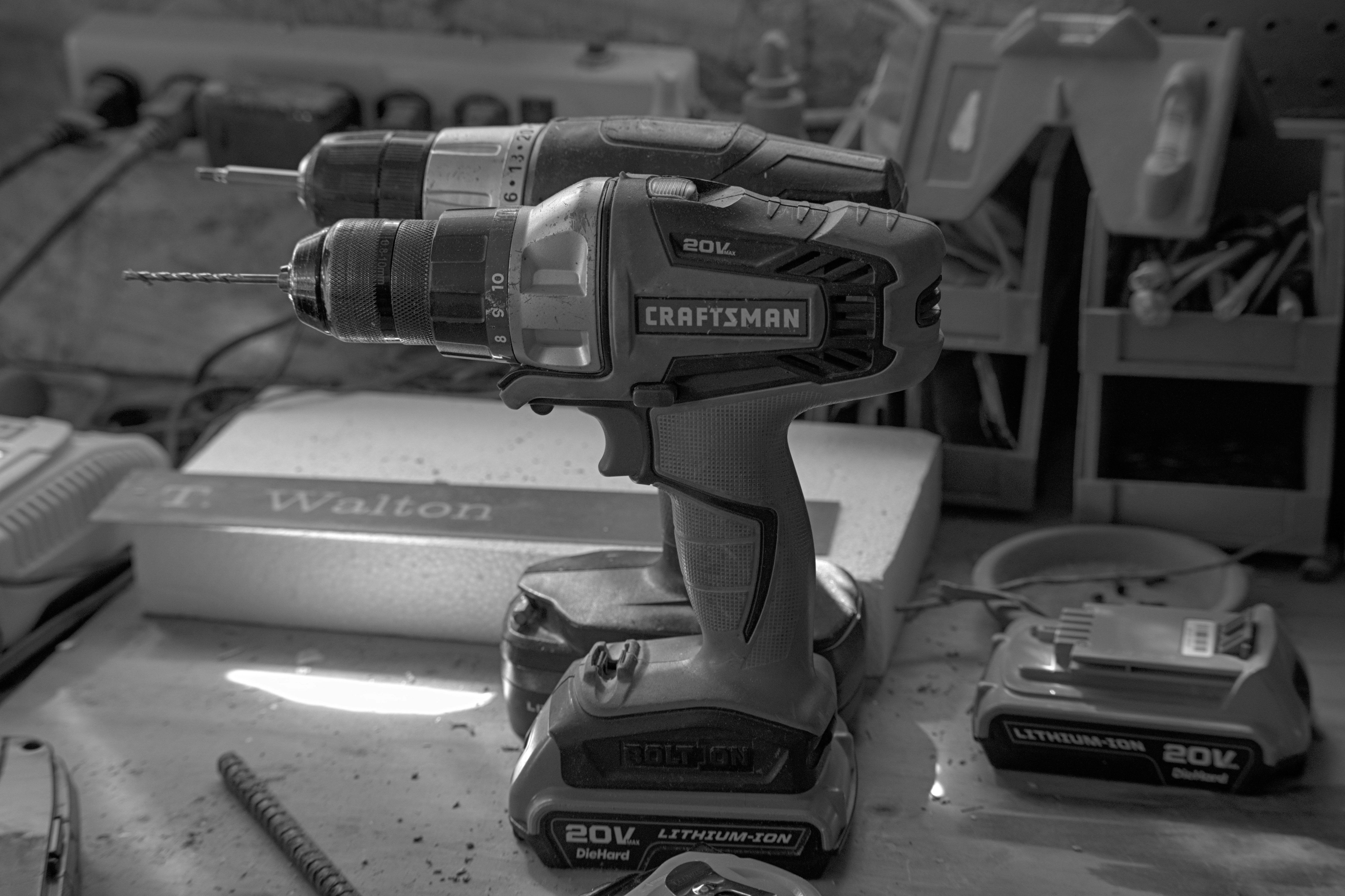
1. 20V Drill/Driver Combo: The cornerstone of any power tool kit is a reliable drill/driver. A 20V drill/driver combo provides the versatility needed for various tasks, such as drilling holes and driving screws. The power offered by a 20V battery ensures efficient performance while tackling projects around the home. A couple of renowned brands to consider are Dewalt and Makita, which offer robust options starting around $150.
2. Circular Saw: Next in line is a circular saw, an indispensable tool for making straight cuts in wood, plywood, and other materials. Its portability and ease of use make it suitable for beginners. Brands like Ryobi and Bosch provide excellent entry-level circular saws with prices typically ranging from $100 to $200. Look for features such as laser guides for enhanced precision.
3. Oscillating Multi-Tool: The oscillating multi-tool is like a Swiss Army knife for power tools. It can perform multiple functions, including sanding, grinding, and cutting, making it incredibly versatile for various projects. A great starter option from brands like Fein and Ryobi can be found for about $100, allowing you to handle intricate tasks without requiring multiple separate tools.
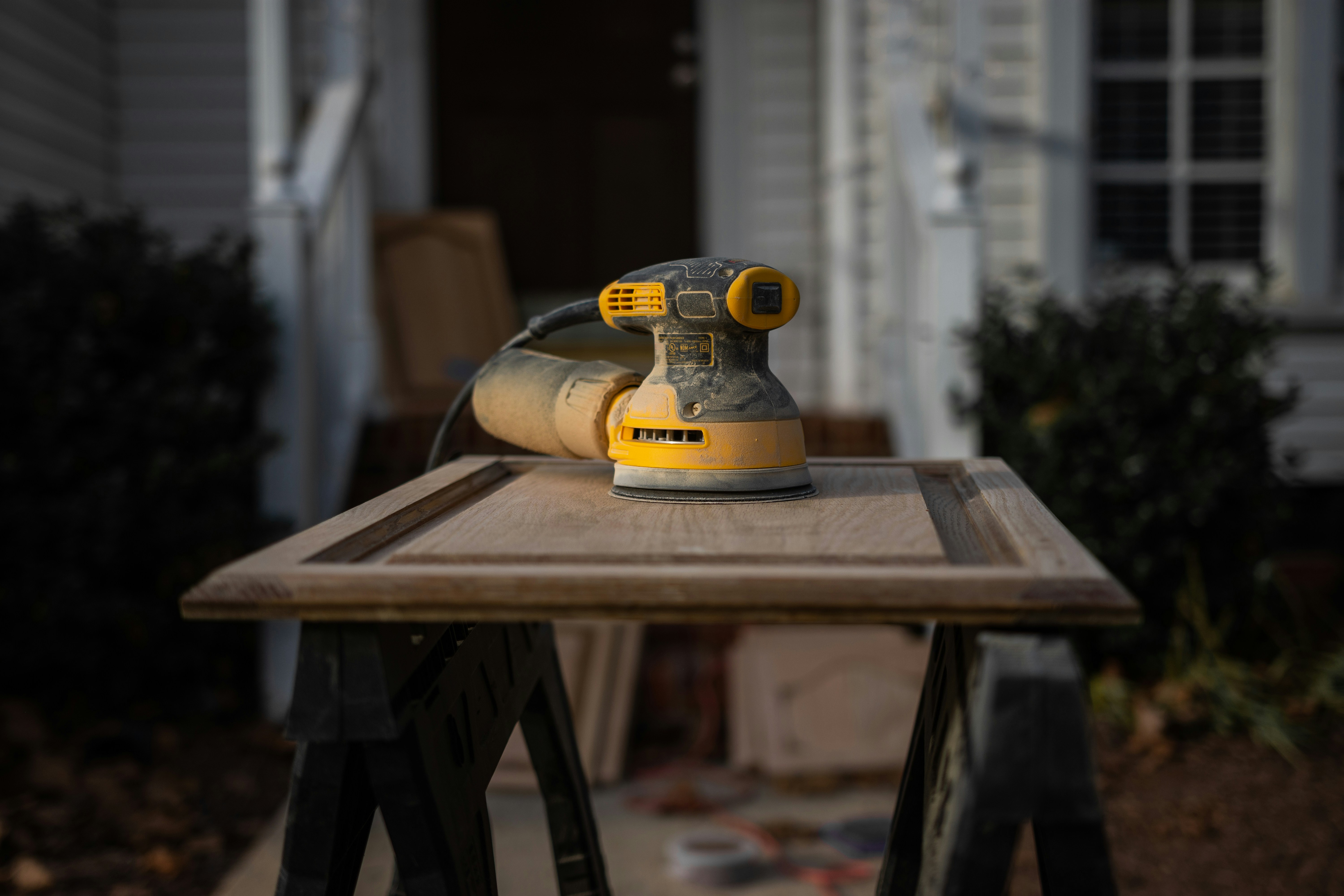
4. Random Orbital Sander: Lastly, a random orbital sander is essential for smoothening surfaces and preparing them for painting or finishing. It simplifies the sanding process and reduces the likelihood of swirl marks. Consider models from brands like Black & Decker or Porter-Cable, with prices starting around $50. This tool ensures a refined finish, making it a must-have in your kit.
Equipping your first power tool kit with these essential tools will not only enhance your capabilities but also set the stage for successful projects ahead.
Understanding Costs and Budgeting for Your First Kit
Creating a beginner’s power tool kit in 2026 can vary significantly in cost, depending on a variety of factors. A crucial step for any novice DIY enthusiast is to understand the different budget ranges available and how these affect the overall toolkit. Typically, beginner kits can fall into two major categories: budget and mid-range options. Budget kits may start as low as $150, providing essential tools such as a drill, circular saw, and basic hand tools. These kits are a great starting point for those who are just embarking on their DIY journey and want to keep their initial investment minimal.
On the other hand, mid-range kits can cost between $300 to $500. These kits often come with more durable tools, additional accessories, and safety equipment, which can be invaluable for inexperienced users. Investing in a higher quality kit can enhance both the safety and efficacy of the projects undertaken. Furthermore, mid-range tools typically offer better warranties and customer support, which can provide peace of mind as starters begin to explore their capabilities.
When budgeting for your first power tool kit, it is also essential to consider future needs. As skills develop, the requirement for more specialized tools will likely arise. Setting aside an additional budget of 20-30% of the initial investment for future purchases can provide flexibility. Beginners should also keep an eye out for seasonal sales or promotions, which can significantly reduce costs and offer opportunities to expand the collection without overspending.
In essence, understanding the costs associated with beginning a power tool kit, evaluating budget versus mid-range options, and planning for future tool acquisitions will establish a solid foundation for beginners in their DIY endeavors. This proactive approach ensures that novices can grow their skills and toolkit efficiently without overwhelming financial strain.
What to Avoid When Starting Out with Power Tools
As individuals embark on their journey into the world of DIY projects, it is essential to recognize which power tools might be better left on the shelf during the initial phase. While enthusiasm for home improvement can spur a desire to acquire numerous tools, certain items may not be necessary right away and can even complicate early efforts.
First and foremost, jigsaws, while undoubtedly versatile, can pose challenges for beginners. They are typically used for intricate cuts and curves, which might overwhelm those still getting accustomed to basic cutting tools. Instead of diving into jigsaw projects, newcomers should focus on mastering straight cuts and familiarizing themselves with more fundamental tools like a circular saw or a handsaw, which will help build foundational skills without the added complexity.
Another tool that beginners may want to delay their acquisition of is the router. Routers are powerful for creating decorative edges and hollowing out wood, but they often require a learning curve that might dissuade novice users. It is advisable for beginners to gain proficiency in simpler woodworking techniques before tackling the more advanced capabilities that a router offers. Investing time in learning basic joinery and finishing methods can yield greater benefits than attempting to master a router too soon.
Impact drivers, while considered essential by many seasoned DIY enthusiasts, may also be excessive for beginners. They are excellent for driving screws quickly and efficiently but can be difficult to control, leading to over-torquing and damage to materials. Instead, novice users should prioritize acquiring a standard drill/driver, which provides more versatility for various tasks without the increased risk.
Additionally, maintaining brand consistency, particularly with battery-powered tools, is crucial for efficiency and compatibility. Beginners should select one brand when starting their collection of power tools. This choice will facilitate seamless transitions between tools, as interchangeable batteries can significantly streamline workflow and reduce downtime.
In conclusion, while exploring the realm of power tools, beginners should avoid overly complex items such as jigsaws, routers, and impact drivers early on. Focusing on basic tools and ensuring brand consistency will provide a solid foundation for successful DIY endeavors.
If you’re interested in purchasing the item you seek, please click the link for additional details: #americanachoice.
https://amzn.to/3SBN3Oy
AFFILIATE DISCLOSURE: I am an affiliate for this company, I am not a paid employee.
I may receive a commission if you click a link on this page and choose to purchase something.
You can rest assured I will only share things I believe in and will be valuable to you.