Understanding the Indianapolis Weather Impact on Outdoor Furniture
Indianapolis experiences a continental climate characterized by four distinct seasons, each bringing unique challenges that can significantly influence the choice of patio furniture materials. The region endures hot summers, cold winters, and transitions that include spring and fall, often marked by heavy rainfall. Understanding these weather patterns is crucial for selecting outdoor furniture that not only complements one’s aesthetic preferences but also withstands the rigors of the environment.
During the summer months, temperatures can reach upwards of 90°F, with high humidity levels that can affect the comfort of outdoor spaces. Materials like aluminum are particularly favorable in such conditions, as they do not retain heat and remain cool to the touch. Additionally, aluminum’s resistance to rust enables it to last longer in humid climates compared to other materials.
The winter months present a different scenario, with sub-zero temperatures and snow accumulation. Teak wood is one material known for its durability, even in freezing conditions, thanks to its natural oils that offer moisture resistance. However, proper maintenance, including regular sealing, may be required to help preserve its appearance and prevent cracks due to temperature fluctuations.
Spring and fall introduce considerable rainfall, which necessitates consideration of material water resistance. Wicker and poly-wood options often score high on this requirement, as they typically resist moisture and mold more effectively than traditional wood options. Accessories like waterproof covers can further enhance durability, protecting outdoor furniture from sudden downpours.
In summary, the typical weather conditions in Indianapolis significantly impact the longevity and durability of patio furniture materials. By understanding these environmental factors, homeowners can make informed choices that ensure their outdoor furniture remains functional and visually appealing through every season.
Comparative Analysis of Patio Furniture Materials
When selecting patio furniture, the choice of material is paramount. Four popular options are teak, aluminum, wicker, and poly-wood, each offering unique advantages and drawbacks. Understanding these materials helps consumers make informed decisions based on their outdoor space requirements.
Teak is renowned for its durability and natural resistance to weather elements, making it an ideal choice for outdoor settings. This hardwood contains natural oils that prevent rotting and protect against the sun’s harmful UV rays. However, the initial cost of teak furniture can be substantial, and while it requires minimal maintenance, periodic oiling is recommended to preserve its golden hue.
Aluminum is another frequently chosen material due to its lightweight nature and resistance to rust. This metal option is often available in various styles and colors, allowing for versatility in design. Additionally, aluminum furniture is relatively low-maintenance, requiring only occasional cleaning with soap and water. However, it may not provide the same aesthetic appeal as wood and can sometimes get warm on hot days.
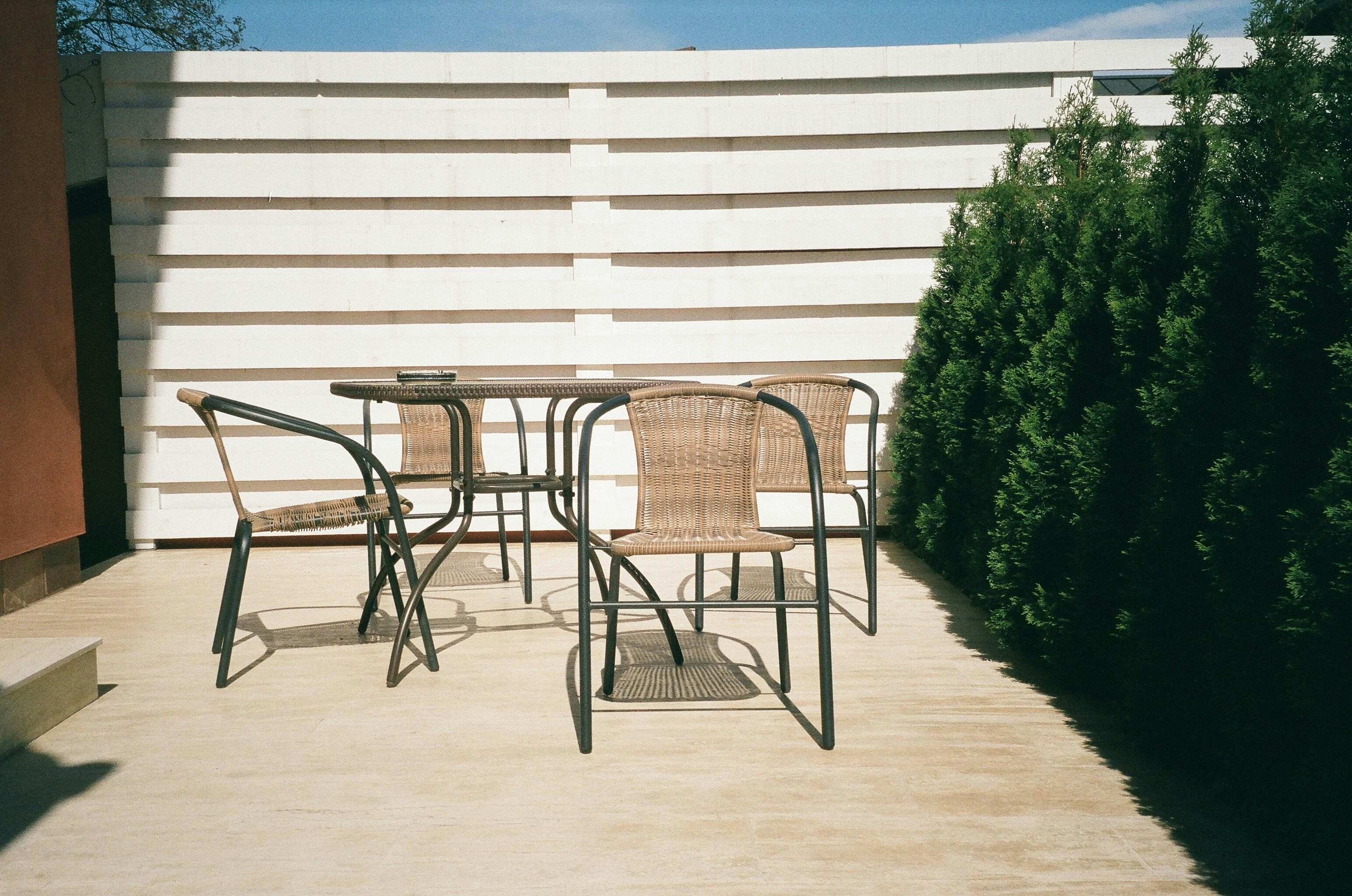
Wicker furniture, traditionally made from natural fibers, is favored for its aesthetic appeal and comfort. However, it requires thorough maintenance, as natural wicker can deteriorate when exposed to moisture. Synthetic wicker offers improved durability and weather resistance, but it may not hold up as well in extreme climates. Cost-wise, both types can vary greatly depending on craftsmanship and materials used.
Poly-wood, made from recycled materials, has gained popularity for its resilience and eco-friendliness. It withstands moisture, sunlight, and temperature fluctuations without warping or fading. Maintenance is minimal, as poly-wood can simply be cleaned with soap and water. Its cost is generally mid-range to high, depending on the brand.
In conclusion, when comparing teak, aluminum, wicker, and poly-wood, each material has its strengths and weaknesses. Factors such as durability, maintenance, aesthetics, and cost play crucial roles in determining the best option for outdoor furniture. Choosing the right material ultimately depends on individual needs, preferences, and climate considerations.
Cost Breakdown for Patio Furniture in 2026
As we look ahead to 2026, understanding the cost of patio furniture becomes critical for consumers eager to enhance their outdoor spaces. The materials used, such as teak, aluminum, wicker, and poly-wood, significantly influence pricing. Each of these materials offers unique benefits, aesthetics, and durability, which are reflected in their price ranges.
Teak furniture is renowned for its durability and sophisticated charm, making it a popular choice among homeowners. In 2026, high-quality teak patio furniture is expected to range from $1,200 to $3,500 for complete sets. The variation in price depends largely on the brand, design intricacies, and craftsmanship. While teak may come with a higher initial cost, its longevity often ensures good value over time.
On the other hand, aluminum furniture provides a lightweight solution that is both stylish and resistant to rust. In 2026, consumers can anticipate spending between $500 and $1,800 for aluminum furniture sets. This affordability makes it a practical choice for those who desire modern aesthetics without breaking the bank.
Wicker furniture, often made from synthetic fibers for durability, is also moderately priced. Expect price points between $600 and $2,200 for quality wicker sets. The impact of visual appeal and comfort can greatly influence the total cost, with customized options available for those with specific design desires.
Lastly, poly-wood furniture, crafted from recycled materials for an eco-friendly approach, is gaining traction. Prices in 2026 for poly-wood sets are anticipated to range from $400 to $1,500. This category offers durability comparable to teak, making it an appealing option for consumers looking for both affordability and sustainability.
To ensure value for money when purchasing patio furniture, consumers should consider shopping during seasonal sales, exploring online retailers for competitive pricing, and prioritizing quality over brand names. Conducting thorough research on reviews and comparisons will further aid in making informed purchasing decisions.
Making Your Decision: Choosing the Right Patio Furniture Material
Selecting the ideal patio furniture material involves several considerations that reflect both lifestyle needs and aesthetic preferences. To begin, individuals should assess their personal style and how the furniture will complement their existing outdoor decor. Each material—teak, aluminum, wicker, and poly-wood—offers unique characteristics that can enhance outdoor living spaces. For instance, teak evokes a classic and sophisticated ambiance, while aluminum is often associated with a contemporary and minimalistic design.
Budget constraints are another crucial factor in the decision-making process. Teak, recognized for its durability and weather resistance, typically comes at a premium price point. On the other hand, aluminum and poly-wood are often more budget-friendly options that still provide excellent longevity and resistance to various weather conditions. Wicker, depending on its quality and plastic or natural fiber content, can also vary greatly in cost, making it essential to evaluate the overall value offered by each material.
Weather challenges in one’s location can also dictate the best choice for patio furniture. For instance, those residing in areas with high humidity or frequent rain may find poly-wood a reliable option, as it is resistant to moisture and won’t warp or crack over time. Conversely, for individuals located in sunny regions, aluminum could be ideal due to its lightweight nature and reflective capabilities, which help keep it cooler under the sun.
By carefully weighing these considerations—personal style, budget, and environmental factors—individuals can make a well-informed decision when choosing the patio furniture material best suited to their needs. Evaluating the information provided in the preceding sections ensures a comprehensive understanding of the pros and cons associated with each option, ultimately leading to a satisfying selection for outdoor living spaces.
If you’re interested in purchasing the item you seek, please click the link for additional details: #americanachoice.
https://amzn.to/3SBN3Oy
AFFILIATE DISCLOSURE: I am an affiliate for this company, I am not a paid employee.
I may receive a commission if you click a link on this page and choose to purchase something.
You can rest assured I will only share things I believe in and will be valuable to you.